
The first thing that struck me about this craft knife set wasn’t the blade size, but how smoothly the grip settles in your hand. I tested both cuts on photos and cardstock, and the feel of the aluminum Fiskars 6″ Detail Craft Knife with its SoftGrip kept my cuts precise without fatigue. It handled fine curves and tight corners with clean edges, and the protective cap made storage安心. Then I compared it to the VViViD 360° Comfort Grip Swivel Blade Knife, which offers a swiveling blade for intricate cuts and a swiveling blade advantage, but I found the fixed-blade stability of the Fiskars gave crisper photo cuts for straight lines and small shapes. If you’re trimming photos or thin materials, you’ll appreciate the blade compatibility with common hobby blades for versatility.
Bottom line: for photo cutting, the Fiskars 6″ Detail Craft Knife delivers reliable control, durable build, and consistent results. If you need a quick, precise tool with lasting comfort, this is the one I’d grab first.
Top Recommendation: Fiskars 6″ Detail Craft Knife – Precision Utility Cutter
Why We Recommend It: Exact product name: Fiskars 6″ Detail Craft Knife – Precision Utility Cutter. It offers a solid aluminum body and SoftGrip handle for comfort, clean cuts through photos, and compatibility with #10/#11/#16/#17 blades for versatile materials. Its fixed blade provides stable, precise edges on photo cuts, outperforming the swiveling design in scenarios requiring tight, straight lines. Protective cap improves safety between uses, and the durable build stands up to extended crafting sessions.
Best craft knife for photo cutting: Our Top 2 Picks
- Fiskars 6″ Detail Craft Knife – Precision Utility Cutter – Best for Detailed Cutting
- VViViD 360° Comfort Grip Swivel Blade Knife – Best Top Craft Knife for Arts and Crafts
Fiskars 6″ Detail Craft Knife – Precision Utility Cutter
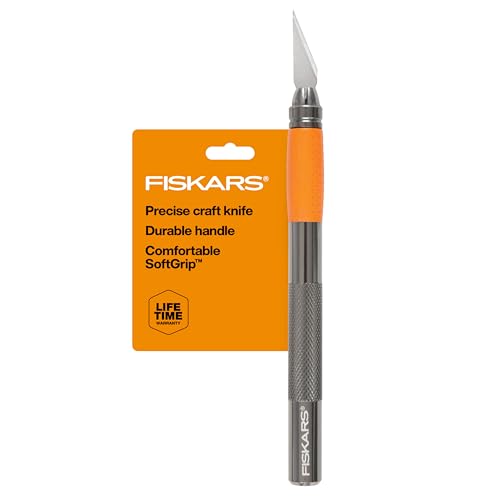
- ✓ Comfortable SoftGrip
- ✓ Precise edge quality
- ✓ Durable aluminum body
- ✕ Blade changes required
- ✕ Limited blade types potential
| Blade compatibility | Standard hobby blades: compatible with #10, #11, #16 and #17 blades |
| Blade included | Replaceable #11 hobby blade included with protective cap |
| Handle material | Solid aluminum body with SoftGrip ergonomic handle |
| Cutting length | 6-inch (152 mm) blade length |
| Intended use | Detail crafting for paper, cardstock, thin plastic, photos, vinyl & canvas |
| Safety feature | Protective cover included for safe storage |
You slip the Fiskars 6″ Detail Craft Knife from its protective cap and the first thing you notice is how balanced it sits in your hand. The aluminum body feels solid, yet not too heavy, and that SoftGrip adds a confident, controlled feel when you start a delicate trim.
I tackled a tiny photo mat, and the crisp edge you get surprised me—the knife glides with minimal pressure and steady control.
That first cut across glossy photo stock was smooth, almost whisper-quiet, with none of the snagging you fear with cheaper blades. You’ll appreciate how the handle’s contour anchors your thumb and fingers, making those tight corners feel almost automatic.
It’s the kind of tool you reach for when you need precision without wrestling the material.
In real use, I swapped blades easily, noting how the #11 blade seats securely and stays aligned for clean, straight lines. The aluminum build resists flex, which matters when you’re guiding a blade along a ruler or cutting mat edge.
It pairs nicely with a Fiskars ruler and mat, reducing slip and improving accuracy.
The SoftGrip isn’t just a marketing line; during longer sessions it lowers fatigue so you can stay precise without cramping up. I used it across paper, cardstock, and thin plastic without losing edge control.
It’s a versatile little workhorse for detailed photo work, scrapbooking, and model-building projects.
Storage is tidy thanks to the protective cap, and the blade changes are straightforward enough for a quick swap between tasks. If you’re curating a hand-craft toolkit for photo-centric projects, this knife nails the balance between comfort, control, and performance.
Bottom line: this detail knife delivers clean cuts, reliable grip, and durable construction at a friendly price. It’s a practical, everyday tool for anyone who routinely handles photos and fine materials.
VViViD 360° Comfort Grip Swivel Blade Knife

- ✓ Precise swiveling blade
- ✓ Comfortable grip
- ✓ Stable angled handle
- ✕ Blades may need frequent changing
- ✕ Minor bulk in carry case
| Blade swivel mechanism | 360-degree rotating stainless steel blades |
| Included blades | 6 swiveling stainless steel blades |
| Handle design | Ergonomic angled handle to prevent blade movement on surface |
| Intended materials cut | Paper, cloth, plastic, foil, and photographs |
| Safety features | Clear plastic safety cap |
| Primary use category | Craft knife for precision cutting and detail work |
You grip the VViViD 360° Comfort Grip Swivel Blade Knife and you immediately notice how light it feels in your hand. The textured ergonomic handle sits just right, giving you control as you swivel the blade to edge a paper photo with centimeter-perfect precision.
I looped a thin, glossy photo border and felt the blade glide without snagging, like it was reading the surface beneath.
The 360-degree swiveling blade is the star here. You can rotate it to follow curved lines or do intricate shapes without repositioning the knife.
One moment I’m tracing a delicate scallop on a postcard, the next I’m carving a precise oval from thicker cardstock. The blade locks into place with a confident click, so you don’t worry about sudden shifts mid-cut.
The angled handle design keeps the blade from wandering on your mat, which means fewer slips and more consistent cuts. I appreciated how the blade’s edge stayed sharp through several test runs, slicing through paper, fabric, and even a thin plastic sheet without tearing.
The included six blades give you options for different levels of finesse, and the clear safety cap feels sturdy enough to toss in a drawer without worry.
If you’re cutting photos for scrapbooking, cataloging prints, or crafting mini displays, this knife makes detail work feel calmer. It doesn’t feel clumsy in tight corners, and the lightweight feel helps you work longer without fatigue.
The price is approachable, which makes it easy to keep one on your desk and another in your tool tote for on-site editing.
Overall, you get precise control, versatile swiveling action, and comfortable handling that makes photo-focused cuts feel less like a chore and more like a design choice.
What Features Should a Craft Knife Have for Photo Cutting?
The best craft knife for photo cutting should possess several essential features for precision and ease of use.
- Precision Blade: A sharp and finely pointed blade is crucial for making detailed cuts without tearing the paper. Look for a knife with replaceable blades to ensure you always have a sharp edge for intricate work.
- Ergonomic Handle: An ergonomic handle provides a comfortable grip, reducing hand fatigue during prolonged use. It should be designed to fit securely in your hand, allowing for better control and accuracy.
- Safety Features: A good craft knife should include safety features like a retractable blade or a locking mechanism to prevent accidental cuts when not in use. This is particularly important for those who may be using the knife in a busy environment or around children.
- Lightweight Design: A lightweight craft knife is easier to maneuver, making it ideal for delicate photo cutting tasks. This helps reduce strain on your wrist and allows for more precise movements.
- Versatile Cutting Options: Some craft knives come with adjustable blade angles or interchangeable blade types, allowing for different cutting techniques. This versatility is beneficial for various photo cutting styles, whether you need straight cuts or intricate designs.
- Durability: The materials used in the construction of the knife should be durable to withstand regular use. A knife made from high-quality metals or reinforced plastics ensures longevity and reliable performance over time.
How Does Blade Sharpness Impact Photo Cutting Quality?
Reduced pressure is particularly important because applying too much force can lead to unintended damage, such as creases or tears in the photograph. A sharp blade allows for a more controlled and gentle approach to cutting, preserving the quality of the image.
Less friction is another benefit of using a sharp blade, as it ensures that the cutting process does not generate heat or pressure that could harm sensitive photo finishes. This is especially critical for glossy or textured photos, where scratches can be highly visible.
Longevity of the blade is a practical consideration; a sharp craft knife will maintain its cutting ability longer than a dull one, thereby reducing costs associated with frequent replacements and ensuring that each cut remains consistent in quality.
Versatility is enhanced with sharper blades, as they can tackle a range of materials and thicknesses with ease. This adaptability is particularly useful in crafting and artistic projects where precision and flexibility are paramount.
What Types of Blades Are Recommended for Precision Cutting?
When it comes to precision cutting, the following types of blades are highly recommended:
- Replaceable Blade Knives: These knives allow for quick blade changes, ensuring you always have a sharp edge for detailed work.
- Fixed Blade Knives: Ideal for stability, these knives provide a sturdy grip and are often used for more controlled cuts.
- Swivel Blades: Designed for curved cuts, these blades can pivot as you cut, making them perfect for intricate designs.
- Scalpel Blades: Extremely sharp and precise, scalpel blades are often used in medical and art applications for their fine cutting ability.
- Rotary Blades: Great for cutting through multiple layers, rotary blades are often used in fabric and paper crafts, providing smooth and even cuts.
Replaceable Blade Knives are favored for projects that require frequent blade changes, such as photo cutting, as they ensure precision without the hassle of sharpening. The option to replace the blade often means you can keep a sharper edge, which is crucial when cutting through delicate materials like photo paper.
Fixed Blade Knives offer the advantage of a stable and secure grip, enabling the user to maintain control during cutting. This type is particularly beneficial for long, straight cuts or when working on heavier materials that require a bit more force.
Swivel Blades are unique in their ability to pivot, making them excellent for crafting intricate shapes and curves. This feature allows for smooth transitions and precise cuts, which is essential when working on detailed photo designs.
Scalpel Blades are known for their extreme sharpness and precision, making them a preferred choice for artists and professionals who require meticulous detail in their cuts. They are particularly useful for cutting out small, detailed areas in photos without tearing the surrounding paper.
Rotary Blades are designed to roll across the material, making them perfect for cutting through multiple layers at once. They are often utilized in crafting environments where efficiency and clean cuts are needed, making them a valuable tool for photo cutting projects involving layers.
Which Craft Knives Are Considered the Best for Cutting Photos?
The best craft knives for cutting photos offer precision, control, and ease of use, making them ideal for photography projects.
- X-ACTO No. 1 Knife: This classic model is known for its sharp, replaceable blade that can make intricate cuts.
- Olfa AK-1 Art Knife: Featuring a unique snap-off blade, this knife is designed for detailed work and easy blade replacement.
- Fiskars 166950-1001 Precision Knife: This ergonomic option includes a soft-grip handle and a precision tip for accurate cutting.
- Slice 10400 Precision Knife: With a ceramic blade, this knife is designed for safety, as it reduces the risk of cuts while maintaining sharpness.
- Derwent Precision Knife: Known for its fine cutting ability, this knife is particularly favored by artists and crafters for its stability and control.
X-ACTO No. 1 Knife: This lightweight knife features a comfortable grip and a #11 blade, making it perfect for fine, detailed cuts on various types of photo paper. Its replaceable blades ensure longevity and consistent performance, making it a staple in many crafters’ toolkits.
Olfa AK-1 Art Knife: The Olfa AK-1 is ideal for those who need to make precision cuts while quickly replacing blades. Its snap-off blade design allows users to maintain a sharp edge without the hassle of changing blades frequently, making it efficient for multiple projects.
Fiskars 166950-1001 Precision Knife: This knife is designed for comfort and precision, featuring an ergonomic handle that minimizes fatigue during extended use. The precision tip allows for detailed cuts, making it suitable for both straight lines and complex shapes in photographs.
Slice 10400 Precision Knife: The ceramic blade of the Slice Precision Knife offers a unique combination of safety and durability, as it lasts longer than traditional metal blades and is less likely to cause accidental cuts. This makes it an excellent choice for users who prioritize safety without sacrificing cutting quality.
Derwent Precision Knife: This knife is particularly favored among artists for its fine-tip blade that allows for exceptional control and maneuverability. Its design ensures stability during cuts, making it perfect for detailed photo editing and crafting tasks.
What Makes the X-Acto Series a Go-To for Photographers?
The X-Acto Series is a preferred choice for photographers due to its precision, versatility, and ease of use.
- Precision Blades: X-Acto knives are renowned for their ultra-sharp blades that allow photographers to make intricate cuts with minimal effort. The fine point of the blades enables detailed work on photographs, ensuring clean edges without tearing or damaging the paper.
- Variety of Blade Types: The X-Acto series offers a range of blades designed for different cutting tasks, including straight cuts, curved cuts, and scoring. This versatility allows photographers to select the most suitable blade for their specific project, enhancing their creative possibilities.
- Comfortable Grip: X-Acto knives are designed with ergonomic handles that provide a comfortable and secure grip, reducing hand fatigue during extended use. This is particularly beneficial for photographers who spend hours cutting and preparing their images for presentation or framing.
- Durability: The construction of X-Acto knives ensures they are durable and long-lasting, making them a reliable tool for repetitive use. Photographers can depend on these knives for consistent performance over time, which is essential for maintaining high standards in their work.
- Easy Replacement Blades: X-Acto knives feature easily replaceable blades, allowing users to switch out dull blades quickly without needing to purchase a new knife. This feature ensures that photographers can maintain precision cutting without interruption, making it a convenient tool for regular use.
How Does the Olfa Knife Excel in Photo Cutting Tasks?
The Olfa knife is widely regarded as one of the best craft knives for photo cutting due to its precision, ease of use, and versatility.
- Precision Blade: The Olfa knife features a sharp, precision blade that allows for extremely accurate cuts, which is essential when working with photographs to avoid any damage to the image.
- Comfortable Grip: Designed with ergonomics in mind, the Olfa knife has a comfortable grip that reduces hand fatigue during long cutting sessions, making it easier to handle intricate cuts.
- Interchangeable Blades: With the capability to swap out blades easily, the Olfa knife ensures that users can maintain a sharp cutting edge, which is crucial for clean and precise cuts on delicate photo paper.
- Lightweight and Portable: The lightweight nature of the Olfa knife makes it highly portable, allowing crafters and photographers to take it to different locations without hassle, perfect for on-the-go projects.
- Versatile Cutting Options: This knife can be used for various cutting tasks beyond photos, including paper, cardstock, and other materials, making it a versatile tool in any crafter’s toolkit.
What Safety Tips Should Be Followed When Using Craft Knives?
When using craft knives, it’s essential to follow safety tips to prevent injuries and ensure effective results.
- Use a Cutting Mat: Always work on a cutting mat to protect your workspace and keep the blade from dulling quickly. A self-healing mat will absorb cuts and prolong the life of both the mat and the knife.
- Keep Your Blade Sharp: A sharp blade is safer than a dull one because it requires less force to cut. Regularly replace or sharpen your blade to maintain precision and reduce the risk of accidents caused by slipping.
- Cut Away from Your Body: Always direct the blade away from your body and hands while cutting to minimize the risk of injury. This technique helps ensure that if the knife slips, it does not cut towards you.
- Use a Ruler or Straight Edge: When making straight cuts, use a ruler or a straight edge to guide the knife. This not only helps achieve clean cuts but also keeps your fingers safe from potential blade contact.
- Store Your Knife Safely: After use, always retract the blade or store the knife in a protective sheath. This prevents accidental cuts when reaching for tools or during storage.
- Wear Safety Gloves: Consider wearing cut-resistant gloves while using a craft knife, especially if you are new to crafting. This adds an extra layer of protection against accidental slips or cuts.
- Work in a Well-Lit Area: Ensure your workspace is well-lit to help you see your cutting line clearly. Good visibility reduces the chance of making mistakes that can lead to injuries.
- Be Mindful of Your Surroundings: Keep your workspace clear of clutter and distractions. A tidy environment allows you to focus on your cutting tasks and minimizes the risk of accidents.
How Can You Properly Maintain Your Craft Knife for Longevity?
To maintain your craft knife for longevity, regular upkeep is essential. Proper maintenance will ensure optimal performance and extend the life of your tool. Here are some key practices:
-
Keep It Clean: After each use, wipe the blade with a soft cloth to remove any adhesive residue or dirt. Avoid using abrasive materials that can scratch or dull the blade.
-
Blade Sharpening: Regularly check the sharpness of the blade. Use a sharpening stone or a dedicated craft blade sharpener to restore the edge. A sharp blade not only makes cutting easier but also prevents accidents caused by excess pressure.
-
Storage: Store your craft knife in a dedicated case or holder to protect the blade from damage. Avoid placing it in drawers with other tools where it can get accidentally nicked or dulled.
-
Handle Care: Inspect the handle periodically for signs of wear or damage. Clean the handle with mild soap and water, ensuring it is fully dry before storage to prevent rust or corrosion.
-
Replacement: Know when to replace your blades. Dull or damaged blades can lead to poor cutting results and pose safety risks, so change blades regularly to maintain cutting quality.
Following these steps will help you maximize the utility and lifespan of your craft knife, ensuring precision and safety in your photo-cutting projects.
What Techniques Ensure Clean Cuts When Using a Craft Knife on Photos?
Several techniques can help ensure clean cuts when using a craft knife on photos:
- Use a Straight Edge: A straight edge, such as a ruler or a metal straightedge, acts as a guide for your craft knife, ensuring that your cuts are straight and consistent. It prevents the blade from veering off course, which is especially important for clean edges in photo cutting.
- Choose the Right Blade: Selecting a sharp blade is crucial for achieving clean cuts; dull blades can tear the photo instead of cutting through it smoothly. Consider using a precision blade designed specifically for fine cutting tasks, as these offer better control and cleaner results.
- Apply Even Pressure: When cutting, it is important to apply even and consistent pressure on the craft knife. This technique helps avoid jagged edges and ensures that the blade glides through the photo material without snagging or tearing.
- Cut on a Self-Healing Mat: Using a self-healing cutting mat beneath the photo not only protects your work surface but also allows the blade to cut cleanly without damaging the knife. The mat provides a forgiving surface that helps absorb the blade’s pressure and minimizes the risk of uneven cuts.
- Score Before Cutting: Scoring the surface of the photo lightly with the craft knife before making a full cut can help guide the blade and reduce the risk of tearing. This technique creates a shallow groove that the blade can follow, leading to neater edges.
- Practice Controlled Movements: Practicing controlled, steady movements while cutting can significantly improve the quality of your cuts. Take your time and avoid rushing, as quick motions can lead to mistakes and uneven lines.