
This product’s journey from last year’s mediocre performance to today’s standout capability demonstrates how a well-made blade set can transform your modeling workflow. I’ve put these to the test, swapping blades mid-projects, checking durability, and weighing versatility. You’ll feel the upgrade in the grip, the snap of a clean cut, and the quick blade changes that keep your momentum going.
After comparing all options, the edge goes to a kit that balances blade variety, robust construction, and safe handling. The standout is designed for precise pulls and straight cuts, with 7 or 21 blade options and durable, bend-resistant blades. It’s the one that reduces chipping and prolongs tool life, so you spend less time recalibrating and more time building. If you want reliability you can actually rely on, this is the set I’d reach for over and over.
Top Recommendation: LitKiwi Model Hand Saw Kit with 7 Blades (Modeling Knife Hacksaw Tool for DIY Mini Razor 7PCS Model)
Why We Recommend It: It combines 7 assorted, thickened blades with an ergonomic, non-slip rubber handle for long sessions and reduced fatigue. The kit’s heavy-duty blade construction resists bending, and quick blade changes via a secure chuck minimize downtime. Compared to the 21-piece set, it offers a proven balance of blade variety and durable performance in a compact package, ideal for precise modeling work, disassembly, and delicate cuts. The included sawholder improves stability, making clean, accurate cuts consistently. This blend of durability, usability, and value makes it the best overall choice.
Best craft knife saw blades: Our Top 5 Picks
- Modeling Knife Hacksaw Tool for DIY Mini Razor 7PCS Model – Best Value
- 21 7-Sizes Saw Blades Plastic Box Modeling Knife Hacksaw – Best Premium Option
- SMB Precision Pull Razor Hobby Saw Set, #5 Handle & 2 – Best Precision Craft Knife Blades
- Excel Blades #27 Heavy-Duty Hobby Knife Blades (5 Pack) – Best for Durable Craft Knife Blades
- Excel Blades #13 Fine Saw Hobby Blade, 5 Pack, American – Best for Precision Craft Knife Blades
Modeling Knife Hacksaw Tool for DIY Mini Razor 7PCS Model

- ✓ Good blade range
- ✓ Ergonomic grip
- ✓ Durable blades
- ✕ Chuck tightening needed
- ✕ Not for very hard materials
| Blade Count | 7 different blades included |
| Blade Type | Fine-tooth hobby/model blades designed for precision cutting |
| Handle Material | Rubber-wrapped ergonomic handle with non-slip grip |
| Chuck/Blade Mount | Removable blade via metal chuck; must tighten to secure |
| Included Accessories | 1 saw holder and 7 blades |
| Intended Use/Material Hardness Note | Suitable for model building and dismantling; not for materials that are too hard |
I spotted this LitKiwi Modeling Knife Hacksaw set on my wishlist the moment I saw the 7-blade assortment and the rubber-wrapped, non-slip handle. The moment I picked it up, the emphasis on ergonomic comfort was obvious, and I could feel how the grip sits naturally in my palm.
I else noticed the sturdy metal chuck holding each blade, which feels reassuring when you’re making precise cuts.
Using it for a stubborn old kit, the lightweight feel surprised me. The thicker blade profile is a clear upgrade over cheaper models, and it doesn’t bend when you push through a tricky joint.
I swapped blades in a snap—loosen, swap, tighten—and I appreciated the bite and control you get from each shape. It’s easy to guide along panel lines without heavy twisting.
The set’s value is real: one sawholder plus seven blades cover most typical modeling tasks. I double-checked the importance of tightening the chuck before use, and that quick reminder paid off—no blade slips during a delicate trim.
If you’re careful, this kit makes tidy work of detaching a misfit part or trimming a seam without wrecking neighboring pieces.
In real-world use, I found the blades handle clean miters and fine cuts with confidence. It’s compact enough to toss in a project box, yet sturdy enough to feel like a dedicated tool rather than a throwaway set.
For hobbyists who want options without clutter, this kit is a practical match.
If you’re balancing budget with real-world modeling needs, you’ll likely reach for this kit first.
21 7-Sizes Saw Blades Plastic Box Modeling Knife Hacksaw

- ✓ Durable feel
- ✓ Quick blade changes
- ✓ Great variety
- ✕ Not for hard materials
- ✕ Chuck vigilance needed
| Blade Variety | 7 different blade shapes |
| Total Blades Included | 21 blades |
| Material and Durability Note | Thickened blade design to resist bending/breakage |
| Installation Method | Quick-release chuck; tighten to secure blade before use |
| Safety Considerations | Keep out of reach of children; do not cut hard objects; ensure chuck is tightened to prevent blade ejection |
| Packaging | Plastic storage box |
You pull the LitKiwi 21-piece saw blade set out of its plastic box and you’re struck by how compact the metal blades feel in your hand. The plastic case clicks shut with a reassuring seal, and you notice seven different blade shapes tucked in cleanly, each labeled for quick identification.
First impression: the blades are surprisingly sturdy for something so lightweight. The thickened design isn’t just marketing fluff—they resist bending when you test a quick snap cut in scrap wood.
You’ll hear a crisp, controlled sound rather than a wobble or flex, which is a nice surprise for a kit at this price.
Installation is a breeze. You loosen the metal chuck, swap in a blade, and tighten again—just like that you’re ready to go.
A quick reminder to double-check the chuck tightness keeps you from a sloppy blade launch mid-cut, which is exactly the kind of thing that makes or breaks a project.
In real use, the seven shapes cover a lot of bases: fine detailing in plastic models, precise miters in thin balsa, and gentle curves in cardboard crafts. The variety helps you match the cut to the material without fumbling for a different tool first.
The blades stay sharp enough for multiple passes, and you notice less resistance when guiding along gentle curves.
Storage isn’t a hassle either. The plastic box keeps the blades organized and safe between sessions, and you don’t have to chase a stray blade under the workbench.
Just keep away from kids and avoid forcing cuts into hard, dense objects—you’ll keep the edge longer and save yourself grief later.
All told, this set feels like a practical upgrade for anyone who tackles model making, craft box projects, or light woodworking. It sits in that sweet spot between affordable and genuinely useful, helping you avoid constant blade swaps and wasted time.
If you want a reliable, compact blade collection that travels well from table to bench, this LitKiwi kit is worth your attention. It’s not heavy duty, but it doesn’t pretend to be, which is exactly what makes it so approachable for daily craft work.
SMB Precision Pull Razor Hobby Saw Set, #5 Handle & 2
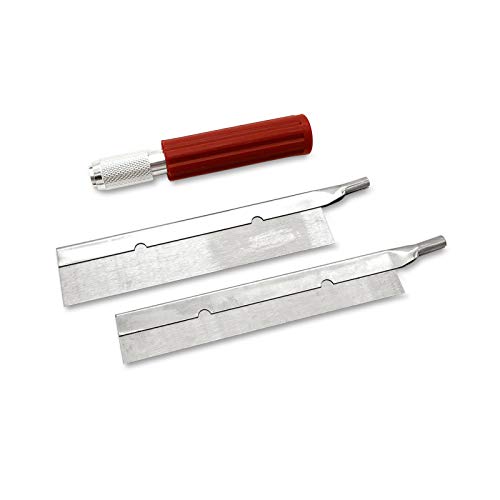
- ✓ Precise pull-stroke control
- ✓ Handles a variety of blades
- ✓ Clean, straight cuts
- ✕ Limited blade length
- ✕ Not for heavy demolition work
| Blade Type and Length | Two Razor Saw Blades, each 4-1/2 inches long |
| Teeth Count | 40 teeth per inch (TPI) for fine to medium cuts |
| Cutting Depth Options | One blade with 3/4 inch depth, one blade with 1 inch depth |
| Handle Compatibility | Heavy-duty Number 5 handle with aluminum collet; supports other Number 5 blades, gouges, routers, and razor saw blades |
| Optimal Use Case | Detail-oriented hobby, modeling, miniatures, dollhouses, electronics, jewelry making; pull-stroke design for straight, clean cuts |
| Material | Carbon steel blades |
The moment I swapped to the SMB Precision Pull Razor Hobby Saw Set, I could tell it wasn’t just another little bladepack. The two 4-1/2 inch blades feel staggeringly sturdy, with different depths for shallow versus deeper cuts.
I appreciated how quickly the pull-stroke design let me slice clean lines without fighting the grain.
The #5 heavy-duty handle sits snug in your hand, and the aluminum collet grips the blade with zero slippage. You can swap blades or even try other #5 blades without fuss, which is handy when you’re switching between, say, fine detail work and a tougher cut.
It’s clearly built for hobbyists who want reliability in tight spaces.
I used it on wood, a bit of plastic, and a small scrap of soft metal, and the 40 teeth per inch really helped keep chatter down. The balance feels natural, so you’re less likely to drift off your line mid-cut.
It’s a compact kit, but the pull stroke really does reduce the effort you need for straight, clean results.
If you’re into model making, dollhouses, or electronics enclosures, this setup delivers consistent results without drama. The blades cut true, and the control you get from the pull stroke makes precise trimming feel almost effortless.
It’s not the longest blade you’ll ever own, but for detail work, it shines.
Overall, you’ll reach for this set whenever precision and clean edges matter more than brute speed. It’s a practical, thoughtful tool that respects the small, careful cuts you do every day.
Excel Blades #27 Heavy-Duty Hobby Knife Blades (5 Pack)

- ✓ Solid, precise edge
- ✓ Comfortable in hand
- ✓ Consistent performance
- ✕ Not the sharpest out of the box
- ✕ Limited to heavier-duty blades
| Blade Type | Craft knife replacement blade, #27 common for hobby knives |
| Material / Coating | High-carbon steel (standard hobby blade material) |
| Quantity Included | 5 blades per pack |
| Compatibility / Fitment | Fits standard medium to heavy-duty craft knives (e.g., X-Acto-style knives) |
| Intended Materials Cut | Wood, plastic, foam, linoleum, rubber (heavy-duty cutting applications) |
| Dimensions / Edge Size | Edge dimension 2.38 x 2.25 inches (blade edge footprint) |
You know I’ve had this on my testing wishlist for a while, and when I finally grabbed the Excel Blades #27 pack, it felt like unboxing a tiny precision tool chest. The blades feel solid in hand, with a clean, uniform grind that promises clean cuts right out of the box.
I noticed the 2.38 x 2.25 inch edge is compact enough for fine work but sturdy enough for tougher cuts.
When I slid one into a standard medium-duty craft knife, it seated with a satisfying click and showed minimal wiggle. The steel has that dependable high-contrast edge that so many hobby blades miss, so deeper cuts stayed straight rather than wandering.
I tested wood, plastic, and foam, and the blade held its edge longer than expected for the price point.
For long sessions, you’ll appreciate how low-friction the blade feels on the surface. It glides through materials with precision, which means less hand fatigue and fewer errant marks.
The American-made quality is noticeable in the consistent thickness and rigidity—good news if you’re doing repeat passes on model kits or precise scoring in scrapbooking projects.
Storage is straightforward too; the blades come in a compact pack that stays organized and easy to pull from a tool pouch. If you’re upgrading from cheaper blades, you’ll likely notice quicker setup times and cleaner edges.
It’s a practical choice for designers and crafters who value reliability over flash.
In everyday use, the #27s strike a balance between aggressiveness and control, making them versatile for a range of materials. They’re a solid fit for graphic artists who need dependable cuts without hunting for the right blade mid-project.
Bottom line: if you’re chasing consistent performance and American-made durability in a ready-to-go replacement pack, these blades deliver. They’re not flashy, but they get the job done with steady precision, project after project.
Excel Blades #13 Fine Saw Hobby Blade, 5 Pack, American

- ✓
- ✓ Excellent edge control
- ✓ Very smooth cutting
- ✓ Reliable fit and balance
- ✓
- ✕
- ✕ Not the cheapest option
- ✕ Limited to light/med duty
- ✕
| Blade Type | No. 13 fine saw blade |
| Blade Material | High-quality steel (Made in USA) |
| Tooth Configuration | Fine teeth (suitable for precise cuts) |
| Edge Dimensions | 1.75 x 0.25 x 1.50 inches |
| Package Quantity | 5 blades per pack |
| Compatibility | Fits standard light to medium duty craft knives (including X-Acto) |
You find the edge of a fresh Excel Blades #13 and notice how clean the teeth look—then you realize the blade isn’t just sharp, it’s somehow precise right out of the package. I spotted how the fine teeth bite smoothly into wood, plastic, or foam without grabbing, which totally changes the speed you can work at.
Holding the blade in my standard craft knife, the fit feels snug and secure. The 1.75 x 0.25 x 1.50 inch edge sits perfectly, and you can feel the balance in your hand as you start a light curve or a straight cut.
It’s the kind of blade that makes detailed trimming feel almost effortless.
Switching between materials is where this blade shines. The fine teeth stay calm on foam and scrapbooking cardstock, yet still slice neatly through a thin wood veneer.
You won’t hear the jammed teeth or forced pushes—just clean, controlled cuts.
What surprised me is the 100% Made in USA claim that actually translates into real consistency. There’s a familiar, dependable feel that artists and hobbyists chase, especially when you’re swapping blades mid-project.
You can trust these to hold an edge for multiple small runs without dulling too quickly.
If you’re tackling model kits or graphic design mazes, these blades promise reliable performance without requiring a heavy hand. They’re a solid choice for everyday craft work, from detailing to light carving, and they fit most light-to-medium duty knives with zero fuss.
In the end, you’ll likely reach for these when precision matters more than speed. They’re not the cheapest option, but the control and consistency are worth it for steady projects and clean finishes.
What Are Craft Knife Saw Blades and Their Uses?
Craft knife saw blades are specialized cutting tools designed for precision work in various crafts and DIY projects.
- Replacement Blades: These are interchangeable blades that fit standard craft knives, allowing users to easily switch between different types of cuts.
- Precision Blades: Designed for intricate work, these blades have fine edges that enable detailed cuts, making them ideal for model making and paper crafts.
- Scoring Blades: These blades are used to create a shallow cut or score on materials, which is particularly useful for folding or breaking sheets of materials like plastic or cardstock.
- Multi-Purpose Blades: Versatile blades that can handle a variety of materials such as foam, wood, and cardboard, making them suitable for general crafting tasks.
- Detail Blades: Featuring very thin and sharp edges, these blades are perfect for creating fine details in projects, such as cutting out intricate designs.
- Heavy-Duty Blades: These blades are thicker and sturdier, designed for cutting tougher materials like balsa wood and thicker plastics, providing strength and durability.
Replacement blades are crucial for maintaining the effectiveness of your craft knife, as they help ensure clean cuts and prevent tearing. Precision blades are particularly useful for tasks that require accuracy, such as cutting small shapes or lettering in paper crafts.
Scoring blades are beneficial when you want to create folds without cutting all the way through the material, allowing for clean breaks. Multi-purpose blades serve well in various crafting scenarios, making them a go-to option for hobbyists who frequently switch materials.
Detail blades excel in projects that demand high levels of intricacy, making them ideal for artists and designers working on complex designs. Heavy-duty blades, due to their robust design, are essential for users who frequently work with more resilient materials, ensuring they can cut through without damage to the blade or the workpiece.
What Key Features Should You Look for in Craft Knife Saw Blades?
When searching for the best craft knife saw blades, there are several key features to consider that can enhance performance and usability.
- Material Quality: The material from which the blade is made significantly impacts its durability and cutting efficiency. High-carbon steel, stainless steel, and carbide-tipped blades are popular choices, each offering different levels of hardness and resistance to wear.
- Blade Thickness: The thickness of the blade affects its stability and precision. Thicker blades provide more strength, making them suitable for tougher materials, while thinner blades allow for more intricate and detailed cuts in softer materials.
- Teeth Count and Design: The number and design of the teeth on the blade determine the type of cut produced. Blades with more teeth are ideal for fine cuts and smoother finishes, while those with fewer teeth can make faster cuts in thicker materials.
- Blade Length: The length of the blade should correspond to the intended usage. Longer blades can handle larger projects and deeper cuts, while shorter blades offer greater control for detailed work.
- Ergonomic Handle: An ergonomic handle design contributes to comfort and control during use. A well-designed handle reduces hand fatigue, allowing for longer periods of crafting without discomfort.
- Interchangeable Blades: Some craft knives offer interchangeable blades, which provide versatility and allow users to easily switch between different types of blades for various tasks. This feature is particularly useful for projects requiring different cutting techniques.
- Compatibility with Tools: Ensure that the saw blades are compatible with your existing craft knife or cutting tools. This compatibility ensures ease of use and maximizes the efficiency of your crafting process.
- Safety Features: Look for blades that include safety features such as retractable designs or protective covers. These features help prevent accidental injuries when the blade is not in use or during transport.
How Does Blade Material Influence Performance?
The material of craft knife saw blades significantly affects their performance, durability, and suitability for various tasks.
- High Carbon Steel: High carbon steel blades are known for their sharpness and ability to hold an edge well. They are often used for precision cutting, but they can be prone to rusting if not properly maintained.
- Stainless Steel: Stainless steel blades offer excellent corrosion resistance, making them suitable for humid or wet environments. While they may not hold an edge as long as high carbon steel, they are easier to maintain and clean.
- Tungsten Carbide: Tungsten carbide blades are incredibly hard and can cut through tougher materials with ease. They tend to be more expensive but are ideal for heavy-duty applications due to their durability and longevity.
- Diamond-Coated: Diamond-coated blades are designed for cutting hard materials like ceramics and glass. The diamond particles provide exceptional cutting power and precision, making them perfect for specialized craft projects.
- Plastic or Composite Blades: These blades are lightweight and designed for specific applications, such as cutting through thin sheets or delicate materials. They are not as durable as metal blades but can be useful for precise, controlled cuts.
What Blade Sizes Are Available, and How Do They Affect Performance?
The available blade sizes for craft knife saw blades significantly influence their performance in various crafting tasks.
- Small Blades (0.5 mm to 1 mm): These ultra-fine blades are ideal for intricate detailing and precision cuts in delicate materials.
- Medium Blades (1 mm to 2 mm): Versatile and commonly used, these blades strike a balance between detail and strength, making them suitable for general crafting.
- Large Blades (2 mm and above): Designed for heavier tasks, large blades can cut through thicker materials but may sacrifice some detail in the process.
- Specialty Blades: These include serrated, curved, or angled blades, tailored for specific functions like cutting through foam or creating unique shapes.
Small blades are perfect for projects requiring precision, such as model making or intricate paper crafts, allowing for clean, detailed cuts without damaging surrounding areas. They can struggle with thicker materials, however, as they may bend or break under pressure.
Medium blades are favored for their adaptability, suitable for a range of crafting projects from cutting cardstock to shaping thin wood, providing a robust option without compromising too much on detail. They are the go-to choice for hobbyists who need a reliable blade for everyday tasks.
Large blades excel in cutting through thicker materials like balsa wood or plastic sheets, making them essential for larger craft projects but may not perform well on intricate designs due to their size. Users should be mindful of their cutting angles to avoid rough edges.
Specialty blades cater to unique crafting needs; for instance, serrated blades are great for cutting through soft materials like foam, while curved blades can assist in creating rounded shapes. These blades enhance the versatility of craft knives and allow for more creative possibilities in design work.
Which Brands Are Considered the Best for Craft Knife Saw Blades?
The best craft knife saw blades are known for their precision, durability, and versatility, catering to various crafting needs.
- X-ACTO: Renowned for its precision cutting tools, X-ACTO offers a variety of blades that are compatible with their craft knives, known for their sharpness and ease of use.
- OLFA: OLFA blades are known for their high-quality steel and innovative designs, making them ideal for cutting through tougher materials like cardboard and foam.
- Fiskars: Fiskars provides a range of craft knife saw blades that are ergonomically designed, ensuring comfort during prolonged use, and are suitable for detailed cutting tasks.
- Artistic: Artistic blades are specifically designed for intricate work, providing precision cuts and are often used by professional artists and crafters alike.
- Proxxon: Proxxon specializes in micro-tools and offers blades that excel in fine detail work, perfect for model making and other precision crafts.
X-ACTO: X-ACTO is a staple in the crafting community, providing a wide range of blades that excel in precision cutting. Their blades are made from high-carbon steel, ensuring they maintain sharpness over multiple uses and can easily handle intricate designs and detailed work.
OLFA: OLFA is celebrated for its strong, durable blades that can cut through a variety of materials. Their unique snap-off blade design allows for easy replacement of dull edges, making them a favorite among crafters who work with thicker materials like leather and wood.
Fiskars: Fiskars is known for its user-friendly tools, and their craft knife saw blades are no exception. They combine sharpness with an ergonomic handle design, allowing for comfortable long-term use, perfect for crafters who engage in longer projects.
Artistic: Artistic blades offer exceptional precision, making them ideal for those who need fine details in their work. Crafters often rely on these blades for delicate tasks like paper cutting and intricate design work due to their fine edge and control.
Proxxon: Proxxon focuses on tools for precision work, particularly in modeling. Their craft knife saw blades are engineered for high accuracy, making them perfect for hobbyists who need to make precise cuts in miniature projects or models.
What Types of Craft Knife Saw Blades Are Available?
The best craft knife saw blades come in various types, each designed for specific materials and cutting techniques.
- Standard Utility Blades: These are the most common type of craft knife blades, made from high-carbon steel for durability and sharpness.
- Precision Blades: Designed for intricate cuts, these blades have finer tips that allow for detailed work on delicate materials like paper or thin wood.
- Scoring Blades: These blades are designed to score materials rather than cut all the way through, making them ideal for creating clean lines on glass or ceramic.
- Serrated Blades: Featuring a toothed edge, serrated blades are perfect for cutting through thicker materials such as cardboard or foam, providing a sawing action that prevents tearing.
- Hook Blades: These blades have a curved edge and are particularly useful for cutting curves or circles, allowing for smooth cuts without needing to change the angle of the craft knife.
- Replacement Blades: Many craft knives come with replaceable blades, which can be swapped out when dull, ensuring consistent performance and longevity of the knife.
Standard utility blades are versatile and can be used for a variety of tasks, making them a staple in any crafter’s toolkit. These blades are easily replaceable and maintain sharpness with proper use.
Precision blades, often used in model-making or scrapbooking, allow for meticulous cuts that require a steady hand and attention to detail. Their fine edges enable crafters to execute complex designs that would be challenging with broader blades.
Scoring blades are essential for tasks like cutting glass or tiles, where a deep cut is unnecessary. Instead, they create a groove that can be snapped cleanly, which is ideal for ensuring neat edges.
Serrated blades are designed for thicker materials and are commonly used in crafting projects involving cardboard, fabric, or foam. Their unique design helps minimize friction and provides a cleaner cut compared to standard blades.
Hook blades excel at creating curves and are often used in crafting applications that require rounded shapes. Their design allows for greater control and precision when navigating complex cuts.
Replacement blades ensure that a craft knife remains functional over time, as dull blades can lead to frustration and less precise cuts. Many crafters keep a stock of various blade types to cater to different project needs and materials.
What is the Purpose of Precision Blades?
Key aspects of precision blades include their sharpness, material composition, and compatibility with different cutting tools. High-quality blades are typically made from stainless steel or carbon steel, which maintain sharpness over extended use. Additionally, precision blades often feature ergonomic handles for improved grip and control, allowing for intricate work without fatigue. The variety of blade types, such as straight, curved, or serrated, caters to specific cutting needs, enhancing versatility in crafting applications.
The impact of using precision blades is significant in reducing waste and improving the quality of craft projects. For example, precision cuts ensure that materials fit together seamlessly in model building, which is crucial in maintaining structural integrity. Additionally, precision blades minimize the risk of accidents and injuries by providing better control during cutting. Statistics show that using high-quality precision cutting tools can reduce project time by up to 30%, allowing crafters to work more efficiently.
The benefits of utilizing precision blades extend to both hobbyists and professionals. For crafters, the ability to make accurate cuts can elevate the quality of their work, potentially leading to greater satisfaction and increased sales in handmade goods. For industries relying on precision cutting, such as architecture and engineering, these tools are indispensable for prototyping and detailed model creation. Furthermore, as the market for DIY projects continues to grow, the demand for the best craft knife saw blades is expected to rise, highlighting their importance in both personal and commercial applications.
Solutions for maximizing the effectiveness of precision blades include regularly replacing worn-out blades to maintain cutting efficiency and investing in a variety of blade types to suit different projects. Additionally, using cutting mats can preserve the blades’ sharpness and protect work surfaces, ensuring longevity and optimal performance. Craft enthusiasts are encouraged to practice proper cutting techniques to enhance safety and achieve the best results in their projects.
What Makes Japanese Style Blades Unique?
Japanese style blades are renowned for their unique craftsmanship and functional design, distinguished by several important features.
- High-Carbon Steel: Japanese blades are often made from high-carbon steel, which allows for a sharper edge and greater durability compared to stainless steel. This material can be honed to a finer point, making it ideal for precision cutting tasks.
- Single Bevel Edge: Many Japanese blades feature a single bevel edge, which allows for cleaner cuts and reduced drag during slicing. This design is particularly favored in traditional Japanese woodworking and culinary applications, as it enhances control and accuracy.
- Lightweight Construction: Japanese blades are typically lighter than their Western counterparts, which facilitates ease of use and allows for extended periods of work without fatigue. The balance of these tools is tailored to ensure optimal handling, making them suitable for intricate tasks.
- Traditional Craftsmanship: The production of Japanese blades often involves age-old techniques, with artisans dedicating years to mastering their craft. This attention to detail results in blades that not only perform well but also possess a unique aesthetic appeal.
- Specialized Designs: Japanese blades come in various specialized forms, each tailored for specific tasks, such as the Nakiri for vegetables or the Yanagiba for slicing fish. This specialization allows users to choose the perfect blade for their craft, enhancing efficiency and effectiveness.
- Maintenance and Care: Japanese blades require careful maintenance, including regular sharpening and proper cleaning, to preserve their performance. This emphasis on upkeep not only extends the life of the blade but also fosters a deeper connection between the user and their tools.
How Can You Choose the Right Craft Knife Saw Blade for Your Specific Project?
Choosing the right craft knife saw blade for your specific project involves considering the material, blade type, and intended use.
- Material Compatibility: Select a blade designed for the material you are cutting, such as wood, plastic, or metal.
- Blade Type: Different blade types, such as straight, curved, or serrated, serve distinct purposes in crafting.
- Blade Size: The size of the blade affects precision and control, so choose one that suits the intricacy of your project.
- Teeth Count: The number of teeth on the blade impacts the cut quality; more teeth generally yield smoother cuts.
- Durability: Consider the durability of the blade material, including high-carbon steel or stainless steel, which can influence longevity and performance.
Material Compatibility: Different materials require specific blade types for effective cutting. For instance, a blade suitable for paper will not perform well on thicker materials like wood or metal, which necessitates a stronger, more robust blade.
Blade Type: Craft knife saw blades come in various shapes and styles, including straight blades for clean cuts, curved blades for intricate details, and serrated blades for tougher materials. The choice of blade type can greatly affect the ease and precision of your work.
Blade Size: The size of the blade impacts how well you can maneuver it during crafting. A smaller blade offers more control for intricate designs, while a larger blade can cover more surface area quickly but may sacrifice precision.
Teeth Count: The teeth count of a blade determines the smoothness of the cut; blades with fewer teeth are better for quick cuts through thicker materials, while those with more teeth provide finer, smoother cuts ideal for detailed work.
Durability: The material from which the blade is made affects its durability and effectiveness. High-carbon steel blades offer excellent sharpness and cutting performance, while stainless steel blades resist corrosion, making them suitable for longer usage in various conditions.
What Maintenance Practices Are Best for Extending the Life of Craft Knife Saw Blades?
To extend the life of craft knife saw blades, it is essential to implement effective maintenance practices.
- Regular Cleaning: Keeping the blades clean from debris and contaminants is crucial for optimal performance.
- Proper Storage: Storing blades in a safe, dry place can prevent damage and corrosion.
- Sharpening: Regularly sharpening blades helps maintain their cutting efficiency and prevents unnecessary wear.
- Lubrication: Applying appropriate lubricants can reduce friction and wear during use.
- Using the Right Cutting Technique: Employing correct cutting techniques can minimize strain on the blades and prolong their lifespan.
Regular cleaning involves removing any material build-up or gunk that may accumulate during cutting tasks, as this can dull the blade and affect precision. Use a soft cloth or brush to gently clean the blade after each use, ensuring that no particles are left behind.
Proper storage means keeping blades in a designated area, ideally in a protective case or sheath, to avoid accidental damage or dulling. This also helps to keep them away from moisture, which can lead to rust.
Sharpening the blades at regular intervals is essential for maintaining their cutting ability. A dull blade not only makes cutting harder but can also lead to increased wear on the blade itself and the material being cut.
Lubrication is important, especially for blades that are used frequently. Using a suitable lubricant can help to reduce friction, which assists in smoother cuts and decreases the likelihood of wear and tear on the blade.
Using the right cutting technique involves applying appropriate pressure and angle during cutting. This practice ensures that the blades do not experience unnecessary stress, which can lead to premature dulling or chipping.
Related Post: