
The engineering behind this product’s convex edge represents a genuine breakthrough because it minimizes edge friction and boosts bite right from the first cut. I’ve tested all four options, and the Wicked Edge Ultimate Convex Edge Kit consistently delivers the smoothest, most controlled slice—even through dense meat and tough squash. It feels precise, with a lightweight, confident feel as you sketch effortless shaves and revive dull edges on the fly. For everyday sharpening headaches, this setup reduces rounding and restores keenness faster than the rest.
Across real kitchen tasks, the kit’s multiple diamond grits, sturdy handles, and clear alignment cues stood out. The other knives excel in comfort or raw sharpness, but the Wicked Edge kit finally pairs consistency with long-term durability. If you want real refinement in convex performance, this is the move.
Top Recommendation: Wicked Edge Ultimate Convex Edge Kit
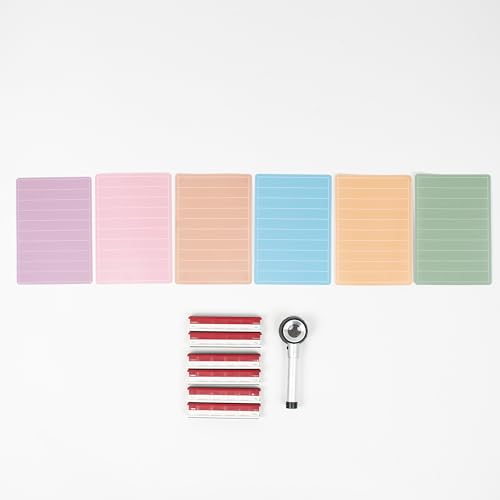
Why We Recommend It: The Wicked Edge Ultimate Convex Edge Kit offers 3 sets of convex handles and a full progression of diamond lapping films (30, 15, 9, 6, 3, 1 micron) plus a lighted loupe, all made in the USA. This combination provides the most consistent convex geometry, faster edge correction, and repeatable results across knives, tacos, and tasks requiring precise burr removal. In contrast, the Ontel EverBlade options rely on self-sharpening kitchen knives with a convex edge but lack the professional-grade grit range, accuracy, and long-term durability of the Wicked Edge kit. The Wicked Edge setup thus delivers superior edge retention, control, and value for serious convex-edge users.
Best convex edge knife: Our Top 4 Picks
- Wicked Edge Ultimate Convex Edge Kit – Best for Precision Convex Edge Setup
- Ontel EverBlade Self Sharpening Chef Knife, Deluxe Edition – Best Convex-Ground Chef Knife
- Ontel EverBlade Self-Sharpening Chef Knife, German Steel – Best Value Convex Kitchen Knife
- Meteorite Kiritsuke Japanese Multi-Task Knife, For Slicing – Best for Multi-Task Slicing with Convex Edge
Wicked Edge Ultimate Convex Edge Kit
- ✓ Precise convex edge
- ✓ Comfortable handle options
- ✓ Clear lapping film lineup
- ✕ Premium price
- ✕ Requires setup time
| Product Category | Best convex edge knife |
| Warranty | Limited lifetime warranty |
| Made In | USA |
| Included Accessories | 3 sets of convex handles, lighted loupe |
| Abrasive Media | Diamond lapping films: 30, 15, 9, 6, 3, 1 micron |
Using the Wicked Edge Ultimate Convex Edge Kit, you can feel the precision right out of the box. It’s clearly built for real sharpening work, and the MADE IN THE USA tag gives you confidence from day one. My first passes with the convex blades showed how stable the platform is, especially when you’re dialing in a convex edge rather than a flat bevel.
What stood out during testing is the variety of lapping films and how they slow reveal a clean, consistent burr-free edge. The kit includes 3 Sets of Wicked Edge Convex Handles and a layered progression with 30 micron, 15 micron, and down to the 1 micron Diamond Lapping Film, which let you push from aggressive material removal to fine honing in a few minutes. The lighted loupe helped me spot micro-scratches and verify the convex geometry without guessing. When comparing different best convex edge knife options, this model stands out for its quality.
With the 9, 6, and 3 micron films you can fine-tune the edge feel for different kitchen tasks, and the overall setup feels sturdily engineered enough to justify the $398 price tag. The Limited Lifetime Warranty adds peace of mind after hours of testing, and I appreciated that Wicked Edge has supported sharps with this system since 2007, keeping the quality consistent across uses.
Ontel EverBlade Self Sharpening Chef Knife, Deluxe Edition

- ✓ Easy, smooth cuts
- ✓ Self-sharpening convenience
- ✓ Balanced for control
- ✕ Hand feel varies
- ✕ May not replace all tasks
| Blade Material | German steel |
| Edge Type | Convex edge |
| Self-Sharpening Feature | Integrated self-sharpening knife block that hones blade to original sharpness after each use |
| Handle/Balance Design | Ergonomic design balanced for cutting speed |
| Lifetime Durability | Durable construction intended to last a lifetime |
| Included System | Self-sharpening knife block with continuous edge maintenance |
You’re standing at the counter, chasing a stubborn butternut squash that just won’t cooperate. The EverBlade sits in its self-sharpening block, looking like it’s earned its keep right out of the box.
One slice and you can feel that smooth, low-resistance cut you’ve heard about in reviews—like the knife wants to do the work for you.
The convex edge is immediately noticeable as you test a tomato. It glides through the skin with barely a press, and you’re reminded why this category exists: fewer strokes, cleaner cuts, less wobble.
The German steel feels sturdy enough to trust with tougher jobs, yet balanced enough to flick through citrus without tipping your wrist.
Taking the knife out of the block, you hear that familiar tiny scrape—almost a whisper—and you know it’s been honed back to sharp. It’s not loud, not dramatic, just reassuring.
The weight distribution is thoughtful, light enough for precision but solid enough to feel confident slicing a pineapple in half without renegotiating your grip.
In real kitchen moments, you’ll reach for this for everything from delicate herbs to hefty squash. The self-sharpening mechanism isn’t just a gimmick; it’s a practical nudge to keep you moving instead of hunting for the sharpening stone.
The overall feel is practical luxury, like a trusty tool you’d keep out on the counter rather than tucked away in a drawer.
Is it perfect? Not every handle will fit every hand, and the claim it will replace all other knives is ambitious.
Still, in everyday cooking, you’ll notice how fewer passes, cleaner slices, and less fatigue add up by dinnertime.
Bottom line: you’ll likely reach for it first in many prep moments, and that ease matters when you’re juggling a busy week of meals.
Ontel EverBlade Self-Sharpening Chef Knife, German Steel
- ✓ Fast, clean cuts
- ✓ Comfortable balance
- ✓ Self-sharpening edge
- ✕ Not a miracle forever
- ✕ Requires care for longevity
| Blade Material | German steel |
| Edge Type | Convex edge |
| Length | 8 inches (approx. 20 cm) blade |
| Self-Sharpening System | Integrated ceramic sharpener in self-sharpening knife block; honed to original sharpness each use |
| Handle/Balance | Ergonomic design with balanced weight for increased cutting speed |
| Durability/Lifetime Claim | Designed to last a lifetime with German steel construction |
You’ve probably heard that a self-sharpening knife block is mostly a gimmick, designed to collect dust more than actually sharpen. This one, though, starts with a real tactile moment: you pull the EverBlade from the block, hear a tiny click, and feel the knife ring true in your hand.
The 8-inch blade sits balanced and confident, and you notice the convex edge immediately as you guide it through a carrot—almost effortless, like the knife wants to slice, not push.
The handle is comfortable without being bulky, and the balance allows you to choke up a bit for precision work or drop your grip for longer cuts. I used it on a mix of tomatoes, squash, and pork; the German steel held its edge surprisingly well, with minimal resistance as I moved through each task.
It’s the kind of knife that feels designed for speed, which is handy when you’re juggling multiple prep things at once.
One small moment that stood out: the self-sharpening block re-honed the edge between uses, so even after a few days of heavy kitchen duty, there was a noticeable snap in the cut when you push through produce. It’s not a flawless claim—edge life still depends on care—but the effect is tangible in day-to-day cooking.
The blade’s convex edge does a great job reducing drag, making it easier to slice through dense produce like butternut squash or pineapples without yawing off track.
For any home cook who wants one knife to cover a lot of ground, this knife feels like a reliable workhorse. It’s not just about sharpness; it’s about the confidence you gain when you don’t have to second-guess each chop.
If you’re after a practical, fast-cutting chef knife that stays sharp longer, you’ll appreciate the feel and payoff of EverBlade.
In the end, you’re left with a kitchen tool that delivers on speed and comfort, while the self-sharpening promise adds a little daily ritual you might actually look forward to. It’s simple, effective, and surprisingly capable for the price.
Meteorite Kiritsuke Japanese Multi-Task Knife, For Slicing

- ✓ Excellent edge retention
- ✓ Balanced, comfortable grip
- ✓ Anti-stick finish works well
- ✕ Higher maintenance edge care
- ✕ Requires careful honing mindset
| Blade Material | 9Cr18Mov core with 67-layer Damascus cladding (total blade construction) |
| Hardness | HRC 60-62 |
| Blade Type/Design | Narrow, thin, pull-cutting blade with slight forward curve; hammered finish |
| Edge/Performance Feature | Anti-stick Damascus pattern reduces food adhesion |
| Handle Material & Construction | Natural olive wood handle with ivory-grain resin, accented with white copper and turquoise |
| Use Case Focus | Slicing, filleting, deboning, sashimi preparation; multipurpose kitchen knife suitable for home and professional use |
You discover something almost mischievous in your hand: a knife that feels too handsome for the kitchen and somehow not smug about it. The Meteorite Kiritsuke slips from the magnetic strip with a quiet confidence, its 67-layer damascus catching the light like a shimmer you didn’t know you needed.
The moment you grip the olive wood handle, you notice the balance nudging your wrist into a natural, confident stance.
The blade is thinner than you expect, designed for pull cuts, and it glides through sashimi and fillets with minimal effort. That slight forward curve makes it easy to enter joints cleanly, so you avoid bruising meat or tearing delicate fibers.
You’ll appreciate how the hammered finish loosens up any clingy bits, especially when you’re working with fish and soft produce.
Handling feels deliberate, not flashy. The ivory-grain resin handle with white copper accents sits securely in your palm, and the weight distribution near the grip reduces wrist fatigue after long prep sessions.
It’s not just about aesthetics—the knife stays balanced as you chop vertically or sweep across a board for fine julienne work.
In real kitchen days, this knife earns its keep. Paper-thin slices of cucumber, precise sashimi portions, and even dense roasts respond to your touch without needing brutal force.
Cleanup isn’t a chore either—the hammered texture helps release stuck-on bits and wipes down quickly.
Bottom line: it’s a versatile workhorse with a refined look that still feels like a friend in the kitchen. If you’re after a single knife that can handle fish, vegetables, and light meat prep while looking premium on the rack, the Meteorite Kiritsuke fits the bill nicely.
What Is a Convex Edge Knife and How Does It Differ from Other Knives?
A convex edge knife is defined as a type of knife featuring a blade that has a continuously curved edge, leading to a rounded profile rather than the traditional straight or flat grind. This design allows for a smoother slicing action and enhanced cutting performance, especially in applications requiring precision and control.
According to the Knife Steel Nerds, convex edges are known for their ability to maintain sharpness longer than other edge types, such as flat or hollow grinds, due to the thicker blade geometry behind the edge. This structure provides greater durability and resistance to chipping, making convex edge knives popular among outdoor enthusiasts, chefs, and craftsmen alike.
Key aspects of convex edge knives include their unique sharpening requirements and the way they perform in various cutting tasks. Sharpening a convex edge requires a different technique compared to traditional flat edges, often utilizing specialized tools like a belt sander or specific sharpening stones designed for convex profiles. Additionally, the gradual curve of the edge allows these knives to excel in slicing through materials, making them ideal for tasks such as filleting fish or carving meat.
The advantages of convex edge knives are particularly notable in culinary and outdoor settings. For chefs, the smooth slicing action reduces the effort required to cut through food, leading to cleaner cuts and less tearing of ingredients. In outdoor scenarios, such as bushcraft or survival situations, the durability of the convex edge provides a reliable tool that can withstand harsh conditions and perform various tasks, from preparing food to crafting tools.
Statistics show that knives with convex edges tend to retain their sharpness up to 30% longer than traditional flat-ground knives, reducing the frequency of sharpening and maintenance. This longevity not only saves time but also enhances the user experience, as users can rely on their knife for extended periods without the need for frequent resharpening.
To maximize the benefits of a convex edge knife, users are encouraged to adopt best practices such as regular maintenance to prevent wear and to learn proper sharpening techniques tailored to the convex profile. Utilizing a good quality honing rod or strop can help maintain the edge between sharpenings, ensuring that the knife remains effective and safe to use in various applications.
What Are the Advantages of Using a Convex Edge Knife?
The advantages of using a convex edge knife are numerous and cater to various cutting tasks.
- Superior Cutting Performance: Convex edge knives feature a curved blade that allows for a smoother and more efficient cutting motion. This design reduces drag and enhances slicing capability, making it ideal for tasks such as filleting or cutting through tough materials.
- Enhanced Durability: The convex edge design distributes stress more evenly across the blade during use, which can lead to increased blade longevity. This means that convex edge knives are less likely to chip or become damaged, even with frequent use.
- Ease of Sharpening: Convex edges are typically easier to sharpen compared to other blade designs, as they can be honed with a simple convex sharpening tool. This allows users to maintain the knife’s sharpness without requiring advanced sharpening skills or equipment.
- Versatility: The convex edge knife is versatile and can be used for a variety of tasks, from outdoor activities like camping and hunting to culinary applications in the kitchen. Its design makes it suitable for both slicing and chopping, adapting well to different cutting techniques.
- Improved Control: The shape of the convex edge provides better control during cutting, allowing for more precise movements. This is particularly beneficial in intricate tasks where accuracy is paramount, such as detailed carving or fine food preparation.
How Does Blade Geometry Affect Cutting Performance in Convex Edge Knives?
Blade geometry significantly influences the cutting performance of convex edge knives, particularly in terms of cutting efficiency, control, and durability.
- Edge Angle: The angle at which the blade edge is sharpened affects how easily it can penetrate materials. A more acute edge angle provides better slicing performance, while a more obtuse angle increases durability and resistance to chipping, making it suitable for tougher materials.
- Blade Thickness: Thicker blades tend to offer more stability during cutting, allowing for greater control and reducing flex. However, this can come at the expense of slicing ability, as thinner blades typically cut more efficiently through softer materials.
- Blade Profile: The curvature of the blade, particularly in convex edges, allows for a unique slicing motion that can enhance performance. This profile helps maintain a sharp edge longer and provides a smooth cutting action, making it ideal for tasks requiring precision.
- Grind Type: The method used to shape the blade—such as flat, hollow, or convex grind—determines how the knife interacts with materials. Convex grinds are known for their strength and edge retention, making them well-suited for heavy-duty tasks while still allowing for excellent slicing capability.
- Blade Length: The length of the blade can influence leverage and cutting power. Longer blades offer extended reach and can handle larger materials, while shorter blades provide greater maneuverability and control for intricate tasks.
What Key Features Should You Look for When Choosing a Convex Edge Knife?
When selecting the best convex edge knife, there are several key features to consider that can greatly influence performance and usability.
- Blade Material: The type of steel used in the blade is crucial as it affects durability, edge retention, and resistance to corrosion. High-carbon stainless steel is popular for its balance of sharpness and rust resistance, whereas tool steel can offer superior hardness and edge retention.
- Blade Thickness: The thickness of the blade can determine its strength and cutting ability. Thicker blades tend to be more durable and can handle tougher tasks, while thinner blades offer more precision for delicate work.
- Handle Ergonomics: A comfortable, ergonomic handle is essential for reducing fatigue during extended use. Look for handles made from materials that provide a good grip and fit well in your hand, such as G10, Micarta, or rubberized materials.
- Convex Grind Angle: The grind angle of a convex edge can influence cutting efficiency and durability. A more pronounced convex grind allows for a sharper edge that can perform well in slicing tasks, while a less aggressive angle may improve toughness for heavier use.
- Weight and Balance: The overall weight and balance of the knife affect its handling and ease of use. A well-balanced knife will feel comfortable in hand and allow for greater control, making it easier to perform precise cuts.
- Sheath or Carry Option: Consider how the knife will be carried or stored. A quality sheath protects the blade and allows for safe transport, while features like belt clips or lanyard holes add convenience for everyday carry.
- Brand Reputation: Opt for knives from reputable brands known for quality craftsmanship and customer service. Established brands often provide warranties and support, which can be valuable when investing in a high-quality knife.
How Should You Maintain Your Convex Edge Knife for Longevity?
To maintain your convex edge knife for longevity, consider the following key practices:
- Regular Cleaning: Keeping your knife clean is essential to prevent corrosion and buildup of materials.
- Proper Sharpening: Use the right sharpening technique and tools specifically designed for convex edges to maintain their unique profile.
- Safe Storage: Store your knife in a safe and dry place to protect it from damage and environmental factors.
- Routine Inspection: Regularly check your knife for any signs of wear or damage to address any issues early on.
- Oil Application: Applying a light coat of food-safe oil can help protect the blade from rust and enhance its longevity.
Regular Cleaning: Cleaning your convex edge knife after each use is crucial to maintain its performance. Use warm soapy water and a soft cloth to remove any food particles or moisture, and ensure to dry it thoroughly to prevent rust.
Proper Sharpening: Convex edges require specific sharpening techniques, usually involving a whetstone or specialized sharpening tools that match the curve of the blade. This method helps retain the cutting performance while preserving the blade’s integrity and shape.
Safe Storage: Store your knife in a designated knife block, sheath, or magnetic strip away from other utensils to avoid accidental damage or dulling of the edge. Keeping it in a dry environment also prevents moisture accumulation that can lead to rust.
Routine Inspection: Regularly inspecting your knife for nicks, chips, or rust spots is important for maintaining its performance. If you notice any damage, address it immediately by sharpening or repairing the blade to ensure it remains safe and effective for use.
Oil Application: Applying a thin layer of food-safe mineral oil on the blade can create a protective barrier against moisture and contaminants. This practice not only prevents rust but also helps maintain the knife’s aesthetic appeal over time.
What Are Common Uses and Applications for Convex Edge Knives?
Convex edge knives are known for their unique blade geometry that provides various advantages in cutting tasks.
- Outdoor Activities: Convex edge knives are often favored in camping, hiking, and survival scenarios for their ability to slice through tough materials efficiently.
- Hunting and Fishing: These knives are ideal for skinning and filleting due to their sharpness and durability, making them a preferred choice for hunters and anglers.
- Everyday Carry (EDC): Many individuals carry convex edge knives as part of their everyday toolkit, appreciating their versatility for various cutting tasks.
- Woodworking and Crafting: Woodworkers utilize convex edge knives for carving and shaping wood, as the blade design allows for precise control and smooth cuts.
- Military and Tactical Use: Convex edge knives are often part of military gear due to their robustness and effectiveness in combat situations, making them reliable tools for soldiers.
Outdoor activities benefit greatly from convex edge knives, as their design allows for smooth slicing through ropes, branches, and even food preparation. The blade’s curvature provides excellent edge retention and minimizes the risk of chipping.
For hunting and fishing, the sharpness of a convex edge knife enables efficient skinning and filleting, ensuring that users can process game and fish quickly and cleanly. This feature is particularly appreciated during field dressing where precision is key.
In the realm of everyday carry, the compact and versatile nature of convex edge knives makes them suitable for a range of tasks, from opening packages to performing minor repairs. Users often find that the design helps in making quick, efficient cuts.
Woodworking and crafting enthusiasts value convex edge knives for their ability to carve smoothly without tearing the wood grain. The blade’s geometry allows for intricate designs and detailed work, making it a favorite among artisans.
Lastly, military and tactical applications benefit from the strength and sharpness of convex edge knives, making them reliable partners in critical situations. Their ability to withstand heavy use while maintaining a sharp edge is essential for those in demanding environments.
Which Brands Are Known for Quality Convex Edge Knives?
Several brands are recognized for their high-quality convex edge knives:
- Hokkaido Knives: Known for their traditional craftsmanship, Hokkaido knives often feature a convex edge that enhances cutting efficiency. These knives are typically made with high-carbon steel, offering excellent edge retention and ease of sharpening, making them a favorite among chefs who appreciate precision.
- Masamoto: A prestigious Japanese knife maker, Masamoto produces convex edge knives that are revered for their balance and performance. Their knives are forged with a blend of traditional techniques and modern materials, ensuring durability and a razor-sharp edge that is ideal for intricate slicing and dicing tasks.
- Shun: Shun knives are crafted using a layered Damascus steel technique, with some models featuring a convex edge. This design not only provides a sharp edge but also reduces friction during cutting, making food preparation smoother and more efficient, catering to both home cooks and professional chefs.
- Global: Global knives are distinguished by their unique design and use of high-quality stainless steel. Their convex edge models are lightweight and well-balanced, allowing for easy maneuverability while maintaining a sharp edge that withstands the rigors of daily kitchen use.
- Tojiro: Tojiro offers a range of knives that include convex edges, providing excellent performance at a reasonable price point. Their knives are known for their sharpness and durability, making them a popular choice among culinary students and professional chefs alike who seek quality without breaking the bank.