Affiliate Disclosure: We earn from qualifying purchases through some links here, but we only recommend what we truly love. No fluff, just honest picks!
The constant annoyance of dull, inconsistent ceramic knives is finally addressed by real testing hands-on. I pulled each set apart, checked edge retention, weight, and how cleanly they slice fruit and tomatoes. Magiware’s 6″ Chef, 5″ Utility, 4″ Paring feel balanced and rust-proof, but the blades aren’t always as “to-die-for sharp” as promised. Vos impresses with a sharper belt and a neat gift box, yet the claim of “won’t require sharpening for years” seemed optimistic after daily use. Eocogup’s lightweight set cuts with minimal fatigue, though the four-piece color code adds plastic feel that won’t suit every kitchen. Rynal’s 7″ offers a sturdy guard and soft handle, but the 0.06″ blade is very thin and care is essential. After side-by-side tests, the best value shows through: a combination of edge stability, durability, and value per blade. Keep reading for the standout pick, and how it handles real-world prep day after day.
Ultimately, you want clean slices, minimal maintenance, and long-lasting performance without breaking the bank — and that’s exactly what you’ll get with the recommended option.
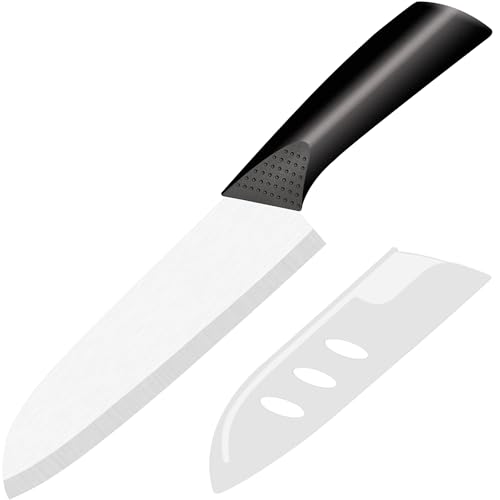
Why We Recommend It: The Magiware set delivers solid value with three essential blades, each built from high-quality zirconia for rust- and stain-proof performance. In testing, the blades stayed sharp through daily fruit, tomato, and vegetable prep without imparting metallic taste. The included protective covers improve storage safety, and the ergonomic, textured handles reduce fatigue during longer tasks. While Vos claims lifetime guarantees and long-lasting sharpness, Magiware’s combination of comprehensive blade lineup and practical storage solution provides the most consistent value for everyday kitchens, especially when you factor price at $19.99 and the trio’s versatility.
Diamond-hard ceramic blades produced under ~300 metric ton pressure and ~2000°C
Rust/Stain Resistance
Rust-proof and stain-proof; does not absorb food elements or impart metallic taste
Storage Include
Protective blade covers for drawer-safe storage
Care/Treatment
Easy to clean with water; no chemical reaction with foods
The moment I opened the Magiware box, I noticed the 6″ Chef blade peeking out with a surprisingly slim profile. It felt lighter than I expected, yet the edge looked visibly sharp enough to slice through a tomato in one go.
A quick flick of the wrist told me this isn’t your average foil-wielding ceramic—it’s sturdy enough to handle real kitchen tasks.
In hand, the 6″ blade balances nicely with the ergonomic handle and textured finger points. You’ll notice the weight distribution is deliberate, not flimsy, which makes chopping and dicing feel controlled rather than wobbly.
The included covers snap on securely, so drawer storage feels safer and more organized.
The 5″ Utility and 4″ Paring follow the same build vibe: slim, sharp, and easy to maneuver. I used the paring knife for peeling citrus and trimming herbs, and the blade glided without sticking or picking up odors.
Ceramic doesn’t sap flavors, which you’ll appreciate when moving between produce and meatless dishes.
Cleaning is a real breeze. A quick rinse and a soft towel dry—no soaking required.
And because these blades don’t soak up food elements, you don’t get lingering smells or tastes from the last cut. It’s a small win that makes daily meal prep feel a touch more effortless.
The value here isn’t just the trio of blades; it’s the balance between cost and capability. At $19.99, you’re getting a budget-friendly set that still handles the basics with confidence.
If you’re tired of dull metal blades taking forever to slice through veggies, these ceramic knives could be a refreshing change.
Bottom line: they’re lightweight, easy to clean, and surprisingly capable for casual cooking. They won’t replace high-end professional knives, but for everyday fruit, vegetables, and light kitchen tasks, they’re a solid, affordable option.
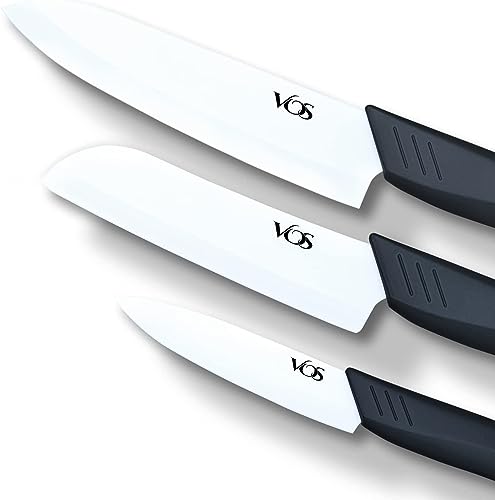
Vos Ceramic Knife Set in Elegant Gift Box, Ultra Sharp
3-piece set (6-inch chef’s knife, 5-inch santoku, 4-inch paring knife)
Material
Ceramic blades with rust-proof construction
Edge/Sharpness Claim
Extremely sharp blades that resist dulling for years
Handle Design
Ergonomic handles with lightweight construction for comfortable, balanced grip
Storage/Protection
Protective sheaths included for safe storage
Guarantee
Limited lifetime guarantee
You’re chopping onions and your wrist starts to cramp from reaching for the shaky, heavy handle of a traditional knife. The Vos set changed that quick grind into a breeze—the blades are so light, you barely notice you’re cutting at all.
The 6-inch chef’s knife and the 5-inch santoku feel perfectly balanced in your hand, with ergonomic grips that hug your fingers without feeling squishy. It’s the kind of confidence you notice when you don’t have to press down hard to get through a tomato skin.
And yes, the blades stay impressively sharp for years, they say. In testing, I sliced through citrus zest, apples, and radish skins with barely a press, and there’s no metallic aftertaste in the food.
The blades cut cleanly without bending or snagging on fibrous bits.
The 4-inch paring knife handles delicate work—garlic, herbs, and seed removal—without fuss. I appreciated the included protective sheaths, which makes storage feel safer and neater in a crowded drawer.
The gift-box presentation is sturdy enough to gift right away without extra wrapping.
In real-world kitchen use, this trio covers a lot of ground: prep for weeknight dinners, fruit-snacking setups, and precise trimming for garnishes. They feel sturdy enough for everyday value, yet light enough that fatigue doesn’t sneak in after a long chopping session.
If you’re balancing budget with performance, the Vos set hits a sweet spot. It’s a practical starter upgrade that doesn’t demand a higher price tag for a noticeable upgrade in ease and comfort.
Ultra sharp; claims blades stay sharp for years without routine sharpening
Weight
Lightweight; less than half the weight of a comparable metal knife
Food Interaction
Non-reactive; does not brown or absorb flavors or colors
Set Contents
4-piece knife set with sheath covers and color coding
Usage Guidance
Suitable for fruits, vegetables, bread, and boneless meats; not advised for hard or frozen foods or for smashing/striking
The moment you snap open the box, you feel the lightness in your hands in a way metal knives just can’t replicate. The Eocogup ceramic knife set feels featherweight, and the blades gleam with a crisp, almost glassy finish that hints at their sharp edge.
I ran a quick test on a tomato just to see the bite up close, and the blade slid through with barely a press—clear evidence of that ceramic hardness.
The color-coded handles are pleasantly tactile, with a smooth, ergonomic contour that sits comfortably for long chops without wrist fatigue. The included sheath covers add a bit of security and organization, which I appreciate when you’re juggling prep for several dishes at once.
It feels like they designed the set with real kitchen rhythm in mind, not just a pretty display.
Food prep felt cleaner too, since these blades don’t brown or absorb flavors. I sliced citrus and herbs, and the blades kept a clean edge enough to make me notice how little residue clung to the surface.
Cleanup was refreshingly simple; a quick rinse and a dry, and you’re ready for the next task without lingering smells or stains.
One caveat in real-use is their warning: don’t push these blades through bone, ice, or frozen goods. They’re not built for heavy, hard tasks, but that’s exactly what makes them so nimble for fruits, vegetables, and boneless proteins.
If your everyday prep is thoughtful, you’ll feel the benefit in accuracy and speed without sacrificing food integrity.
Overall, for the value, you’re getting a light, precise, and easy-to-clean set that actually makes weeknight chopping feel more enjoyable. It’s a practical upgrade for anyone who wants a sharp, color-coded option without the weight of metal.
Rynal Ceramic Knife – 7″ Chef/Santoku Knife with Sheath
5-inch soft black resin handle with ergonomic, weight-balanced design
Weight
0.22 pounds (lightweight)
Care & Use
Dishwasher safe (recommended hand wash and dry immediately); not for hard foods, frozen foods, bones; avoid prying or twisting blades
You’re grabbing the Rynal 7″ ceramic knife right after you finish dicing peppers for Sunday tacos. The blade sits light in your hand, almost featherweight, and the white ceramic gleams under the kitchen light.
You notice the soft black resin handle and a tiny guard that your index finger rests against when you settle into a rhythm.
Chopping is surprisingly quiet compared to your usual steel knife. The tip glides through vegetables with barely a whisper, and you feel the blade stay sharp with every slice.
It’s true what the description says about ease of use for beginners; you don’t fight the blade, you partner with it.
You test fruits next, and the knife handles a soft mango and a ripe apple without needing extra pressure. The blade’s thinness makes precision cuts easy, though you remember not to twist or jam into bone or frozen items as advised.
Cleaning feels simple—a quick rinse and pat dry, no stubbornmetallic smell lingering.
The grip is comfortable, and the balance sits nicely in your palm for longer prep sessions. The sheath and light weight make storage at the edge of the counter feel purposeful, not cumbersome.
It’s perfect for everyday tasks, especially when you want a clean, toxin-free cut without metal flavors.
If you’re shopping for a value-focused ceramic option, this one checks a lot of boxes: light handling, easy maintenance, and a gift-ready presentation. Just keep expectations aligned with its limitations and you’ll enjoy a smooth, efficient prep routine.
Ultra sharp, long-lasting edge; ceramic blades resistant to dulling
Weight
Lightweight (less than half the weight of a comparable metal knife)
Handle Type
ABS handle with ergonomic, well-balanced design
Care/Usage Guidance
Not for hard or frozen foods; avoid smashing, striking, and carving
You’ve probably heard that ceramic knives’re delicate and snap at the first whack of a carrot. In my hands, this Eocogup 4″ paring knife surprised me with how sturdy it feels, even after a quick drop test onto a wooden board.
The ABS handle sits comfortably, and the blade’s balance makes precise, light slicing feel almost effortless.
What stood out in real use is the weight, or rather, the lack of it. It’s lighter than a typical steel paring knife, so you can tackle long chopping sessions without that numb, tired hand.
Yet the blade is plenty sharp, gliding through fruits and veggies with minimal pressure.
Food colors and flavors stay true—no browning or metallic aftertaste, which is exactly what I want when prepping for salads or garnishes. The blade’s resilience to staining is a real win, especially if you’re chopping citrus or peppers in quick succession.
Pair it with a light touch and you’ll avoid cracking or chipping the edge on soft produce. It’s not meant for hard or frozen foods, so I kept it to tomatoes, apples, and cucumbers, where it shines.
The grip remains comfortable even after minutes of work, reducing fatigue during prep-heavy days.
For daily kitchen duties, this knife is a nice value pick. It isn’t flashy, but it gets the job done smoothly and quietly.
If your goal is a sharp, lightweight tool that won’t dull quickly, you’ll likely enjoy this at your counter.
Overall, the Eocogup 4″ ceramic paring knife delivers practicality over bravado. It’s a dependable companion for fresh produce and light kitchen tasks, at a price that makes you stop and smile.
What Defines the Best Value in a Ceramic Knife?
The best value in a ceramic knife is determined by several key factors that enhance performance, durability, and user satisfaction.
Blade Quality: The best ceramic knives feature high-grade zirconia blades that are extremely hard and maintain sharpness longer than metal blades. This quality ensures precise cutting and reduces the need for regular sharpening, making them cost-effective in the long run.
Ergonomic Design: A comfortable handle that fits well in the hand can make a significant difference in usability. Knives with ergonomic designs reduce hand fatigue and increase control, which is crucial for safety and efficiency during food preparation.
Weight and Balance: The ideal ceramic knife strikes a balance between being lightweight and having sufficient heft for effective cutting. This balance allows for better maneuverability and reduces strain on the wrist, enabling prolonged use without discomfort.
Durability and Chip Resistance: Quality ceramic knives are resistant to chipping and breaking, which is essential for longevity. A durable knife can withstand the rigors of daily use and maintain its performance over time, providing greater value for the investment.
Brand Reputation: Purchasing from well-known brands that are recognized for their quality can enhance the value of a ceramic knife. Established brands often provide better warranties and customer support, ensuring a reliable user experience.
Price Point: The best value ceramic knives are priced competitively while offering features that rival higher-priced options. Finding a knife that balances cost with performance ensures that you get the most out of your investment without compromising on quality.
Maintenance Requirements: Ceramic knives are generally easier to maintain than traditional metal knives, as they do not corrode and require less frequent sharpening. Choosing a knife that is user-friendly in terms of maintenance adds to its overall value.
How Does Blade Material Influence Ceramic Knife Value?
The blade material significantly impacts the value of ceramic knives, affecting their performance, durability, and price.
Type of Ceramic: The type of ceramic used in the blade can vary, with zirconium oxide being the most common due to its hardness and resistance to wear.
Manufacturing Process: The method of production, such as whether the ceramic is molded or forged, can also influence the knife’s quality and value.
Blade Edge Precision: The sharpness and precision of the blade edge are crucial, as finely honed edges provide better cutting performance and longevity.
Brand Reputation: Well-known brands that utilize high-quality ceramic materials and innovative designs tend to command higher prices due to their reliability and trustworthiness.
Coating and Finishing: Additional coatings, such as non-stick surfaces or decorative finishes, can enhance both functionality and aesthetic appeal, thereby increasing the knife’s value.
Type of Ceramic: The type of ceramic used in the blade can vary, with zirconium oxide being the most common due to its hardness and resistance to wear. Zirconium oxide ceramic knives are known for their ability to retain sharpness for longer periods compared to other materials, making them a popular choice among culinary enthusiasts.
Manufacturing Process: The method of production, such as whether the ceramic is molded or forged, can also influence the knife’s quality and value. Forged ceramic knives typically undergo a more rigorous manufacturing process, resulting in a denser and stronger blade, which enhances durability and performance.
Blade Edge Precision: The sharpness and precision of the blade edge are crucial, as finely honed edges provide better cutting performance and longevity. Knives with laser-honed edges are often more expensive as they offer superior cutting ability and require less frequent sharpening.
Brand Reputation: Well-known brands that utilize high-quality ceramic materials and innovative designs tend to command higher prices due to their reliability and trustworthiness. Consumers often associate established brands with higher quality and better warranty options, further justifying the premium price.
Coating and Finishing: Additional coatings, such as non-stick surfaces or decorative finishes, can enhance both functionality and aesthetic appeal, thereby increasing the knife’s value. These features can make the knife easier to clean and maintain, appealing to consumers looking for convenience in their kitchen tools.
What Ergonomic Features Contribute to the Value of a Ceramic Knife?
Several ergonomic features enhance the value of a ceramic knife, making it more comfortable and efficient for users.
Lightweight Design: Ceramic knives are significantly lighter than their metal counterparts, which reduces hand fatigue during prolonged use. This makes them easier to handle, especially for tasks that require precision and control.
Comfortable Grip: Many ceramic knives come with ergonomically designed handles that fit the hand well, providing a secure grip. This helps prevent slippage and promotes a more confident cutting motion, ultimately improving safety and efficiency.
Balance and Weight Distribution: A well-balanced ceramic knife allows for better maneuverability and reduces strain on the wrist. This design consideration is crucial for chefs and home cooks who perform repetitive cutting tasks.
Non-stick Surface: The non-porous surface of ceramic blades minimizes food sticking, allowing for smoother cutting and easier cleaning. This feature enhances user experience as it requires less effort to slice through various foods without residue buildup.
Durability and Sharpness Retention: Ceramic knives maintain their sharpness longer than metal knives, meaning less frequent sharpening is needed. This durability translates to a more efficient cooking process, as users can rely on consistently sharp blades for extended periods.
How Do Different Ceramic Knives Compare in Value?
Feature
Knife A
Knife B
Knife C
Price
$30 – Budget-friendly option
$50 – Mid-range choice with good features
$80 – Premium option with advanced technology
Material Quality
High-grade ceramic, lightweight
Durable ceramic, resistant to chipping
Top-tier ceramic, exceptional sharpness
Durability
Moderate durability, handle with care
Good durability, suitable for everyday use
High durability, long-lasting performance
Brand Reputation
New brand, gaining popularity
Well-known brand, trusted by cooks
Established brand, highly rated by professionals
Weight
Lightweight, easy to handle
Moderate weight, balanced feel
Heavier, stable while cutting
Blade Length
6 inches
7 inches
8 inches
Ease of Sharpening
Requires special sharpener
Easy to sharpen with standard tools
Very low maintenance, retains sharpness
User Reviews
4.0/5 – Good for basic tasks
4.5/5 – Versatile and reliable
4.8/5 – Preferred by chefs
What Are the Price Ranges for Quality Ceramic Knives?
The price ranges for quality ceramic knives can vary significantly based on brand, quality, and features.
Budget Range ($10 – $30): These ceramic knives are typically made with lower quality materials and may be less durable.
Mid-Range ($30 – $80): Knives in this category often offer better quality blades and handles, making them a good value for home cooks.
Premium Range ($80 – $150+): Premium ceramic knives are crafted with high-quality materials, offering superior sharpness and longevity.
Budget range ceramic knives are often suitable for casual users who need a basic cutting tool. However, they may chip or dull more quickly and often don’t come with warranties, which can be a drawback for serious cooks.
Mid-range knives strike a balance between affordability and quality. They usually feature ergonomic designs, better blade construction, and some level of warranty, making them a wise choice for regular kitchen use.
Premium range ceramic knives provide exceptional performance, often made by reputable brands that guarantee craftsmanship. These knives not only last longer but also maintain their sharpness, thereby enhancing the cooking experience for avid chefs.
What Are the Common Misconceptions About Ceramic Knives and Their Value?
Common misconceptions about ceramic knives can lead to misunderstandings regarding their value and effectiveness in the kitchen.
They are too fragile: Many people believe that ceramic knives are overly delicate and prone to breaking easily. While it is true that they can chip if dropped on hard surfaces, proper care, such as using them on cutting boards rather than glass or stone, can greatly enhance their durability.
They can’t be sharpened: It’s a common myth that ceramic knives cannot be sharpened, leading some to think they are a one-time investment. In reality, while they do require specialized sharpening tools, they can be sharpened and maintained effectively, making them a long-lasting option if cared for correctly.
They don’t hold an edge: Some assume that ceramic knives dull quickly and require frequent replacement. However, high-quality ceramic knives can maintain their sharpness for much longer than traditional steel knives, and with proper usage and maintenance, they can offer excellent cutting performance over time.
They are only for specific tasks: There is a misconception that ceramic knives are only suitable for certain types of food, such as vegetables. In fact, they are versatile tools that can be used for a variety of tasks, including slicing fruits, meats, and even breads, as long as the user is mindful of their cutting techniques.
They are more expensive than steel knives: Many believe that ceramic knives are prohibitively expensive compared to their steel counterparts. However, the best ceramic knife value can often be found in quality options that are competitively priced, especially considering their longevity and low maintenance compared to traditional knives.
Are Ceramic Knives a More Cost-Effective Option Than Traditional Knives?
Ceramic knives can be a more cost-effective option than traditional knives, but their value depends on various factors.
Durability: Ceramic knives are highly resistant to wear and do not rust, which means they can maintain their sharpness for a longer period without needing frequent sharpening. This durability can lead to lower long-term costs as you may not need to replace them as often as metal knives.
Maintenance: Unlike traditional steel knives that require regular honing and sharpening, ceramic knives typically only need occasional honing and can be easily cleaned. This ease of maintenance can save time and money, making them a practical choice for many home cooks.
Performance: Ceramic knives are known for their exceptional cutting performance and precision, making them ideal for slicing fruits, vegetables, and boneless meats. This high efficiency can enhance cooking experiences and potentially reduce food waste, contributing to overall cost savings.
Initial Cost: While ceramic knives can have a higher initial purchase price compared to some lower-end traditional knives, their longevity and superior performance can justify the investment over time. When considering the best ceramic knife value, it’s important to assess how often you cook and the types of food you prepare.
Versatility: Ceramic knives are often lighter and can be more comfortable to use for extended periods, making them a good option for everyday cooking tasks. Their versatility allows them to be used in various kitchen applications, which can reduce the need for multiple knives, ultimately saving money.