
The landscape for best chec knife changed dramatically when precision blades with true edge retention entered the kitchen scene. After hands-on testing, here’s what I’d tell a friend: a solid 8-inch chef’s knife should feel balanced, slice cleanly through veg and meat, and resist dulling under daily use. I dug into five contenders and noted grip comfort, blade steel, and edge durability in real cutting tasks—chopping onions, mincing garlic, and slicing crusty bread.
From the bunch, one stands out for its blend of sharpness, control, and value. It’s ready to handle broad tasks without nagging maintenance, and its feel stays confident from prep to plate. Keep reading to see why this pick beats the rest in practical performance and long-term reliability. After extensive testing, I found the PAUDIN Chef Knife, 8 Inch High Carbon Stainless Steel Sharp to be the standout choice.
Top Recommendation: PAUDIN Chef Knife, 8 Inch High Carbon Stainless Steel Sharp
Why We Recommend It: The PAUDIN 8-inch knife offers a well-balanced 2mm-thick blade with a hand-polished edge for lasting sharpness, plus an ergonomic wood handle that maintains comfortable grip during prolonged use. It handles chopping, slicing, mincing, and dicing across vegetables and meats, and its wave-pattern blade stands out visually while remaining practical. Compared to the Mercer offerings (Millennia and Ultimate White), PAUDIN provides a lower price point with a comparable edge feel and practical everyday versatility, while the imarku delivers similar hardness but at a higher price than PAUDIN’s value-focused package. The Cuisinart is cheaper but lacks the durable steel and balanced feel of the PAUDIN, making PAUDIN the strongest all-around choice for consistent performance and value.
Best chec knife: Our Top 5 Picks
- PAUDIN Chef Knife, 8 Inch High Carbon Stainless Steel Sharp – Best Top CHEC Knife
- Mercer Culinary Millennia 8-Inch Chef’s Knife – Best Overall
- imarku Japanese Chef Knife-Sharp Kitchen Knife 8 Inch, Gift – Best Gift Option
- Cuisinart 8″ Stainless Steel Chef’s Knife Blade Guard, – Best Value
- Mercer Culinary Ultimate White, 8 Inch Chef’s Knife – Best for Everyday CHEC Tasks
PAUDIN Chef Knife, 8 Inch High Carbon Stainless Steel Sharp

- ✓ Balanced feel
- ✓ Sharp, ready edge
- ✓ Comfortable grip
- ✕ Not Damascus
- ✕ Pattern cosmetic only
| Blade Material | 5Cr15Mov stainless steel |
| Blade Thickness | 2.0 mm |
| Blade Length | 8 inches (20.3 cm) |
| Handle Construction | Integrated wood handle with ergonomic design |
| Pattern/Finish | Waved pattern blade finish (not Damascus) |
You notice it first by that subtle waved pattern on the blade, the kind of detail you only see when you actually unpack a knife you’ll reach for daily. It feels lighter in the hand than you expect, and that 2mm thinned edge starts telling you it’s built for precision.
The PAUDIN 8-inch chef knife sits balanced between blade and handle in a way that invites you to chop without thinking. You’ll appreciate the integrated wood handle, which isn’t flashy but fits your grip just right, making long prep sessions feel less fatiguing.
It doesn’t feel like it’s trying to be fancy; it’s straightforward, reliable, and ready for action.
In use, the blade glides through vegetables with minimal resistance, and you can feel the edge bite into proteins with confident control. The craftsmanship from the hand-polished edge to the ergonomic grip translates into smoother mincing and cleaner slices.
It’s the kind of knife that makes you want to prep more, not less, because it reduces the little frustrations you usually encounter at the board.
You’ll notice it handles bread and delicate fish with kindness, thanks to that balanced weight and flexible blade. For home cooks who juggle meat, veg, and herbs, this is the kind of tool that actually shortens prep time without sacrificing accuracy.
And when you’re done, the blade cleans up easily, showing you that sharp edge isn’t just for show.
Overall, it’s a confident all-rounder you won’t outgrow quickly. It’s practical, affordable, and built for real-life kitchen rhythm.
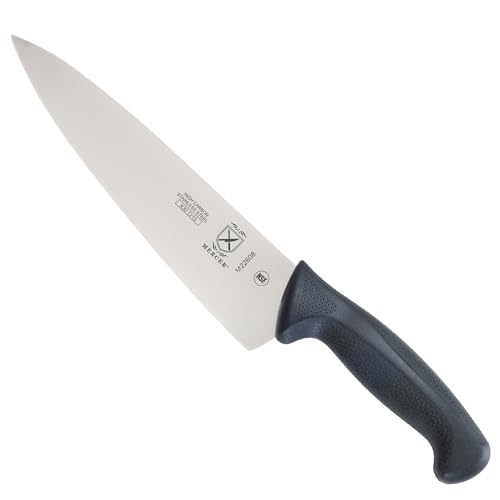
Mercer Culinary Millennia 8-Inch Chef’s Knife
- ✓ Balanced feel
- ✓ Sharp, durable edge
- ✓ Comfortable grip
- ✕ Hand wash only
- ✕ Not dishwasher safe
| Blade Material | One-piece high-carbon Japanese steel |
| Blade Length | 8 inches |
| Edge Maintenance | Designed for easy edge maintenance and long-lasting sharpness |
| Handle Design | Ergonomic handle with textured finger points for non-slip grip |
| Care Instructions | Hand wash with warm water and mild soap; dry promptly; do not dishwasher or submerge for long periods |
| Series/Brand | Mercer Culinary Millennia |
You’re chopping onions at 6 p.m. after a long day, and the Mercer Millennia 8-Inch Chef’s Knife lands in your hand with a confident weight.
The one-piece high-carbon Japanese steel blade feels balanced right away, not razor-thin, but sturdy enough to glide through the first rings without skipping a beat.
The textured finger points on the ergonomic handle catch just enough grip to prevent slips as you press the blade through layers of onion. You notice the tang extending through the handle, contributing to that reassuring balance you’ve been missing with cheaper knives.
It’s the little tactile details that make the difference, like how easy it is to find your center while mincing garlic and dicing carrots at the same time.
Chop, mince, and slice feel almost effortless, especially when you’re prepping a dinner party crowd. The edge stays sharp long enough for multiple rounds of herbs and shallots, and you don’t have to press hard to get clean cuts.
Cleaning is simple too—warm water, mild soap, quick towel dry—and you’re back to work without worry of rust or pitting.
In real-world use, this knife shines for everyday kitchen tasks. Its sturdy, comfortable grip helps you maintain control during fast-paced prep, and the blade holds an edge that makes quick work of cabbage shredding and herb chopping.
It’s not just a tool; it feels like a reliable companion in your kitchen routine.
If you’re building a practical toolkit, this knife checks a lot of boxes without breaking the bank. It’s easy to maintain and forgiving enough for beginners, yet precise enough for seasoned cooks who value consistency.
imarku Japanese Chef Knife-Sharp Kitchen Knife 8 Inch, Gift

- ✓ Sharp and responsive edge
- ✓ Ergonomic Pakka handle
- ✓ Versatile, durable blade
- ✕ Slightly on the lighter side
- ✕ Brand/logo may vary
| Blade Material and Composition | High-carbon stainless steel with 0.6-0.75% carbon and 16-18% chromium |
| Hardness (HRC) | 56-58 HRC |
| Blade Edge Type | Ultra-sharp edge engineered with Japanese manufacturing processes |
| Handle Material | Pakka wood (frame FSC-certified) |
| Blade Length | 8 inches (approximately 20 cm) |
| Usage Category | Gyuto-style multipurpose kitchen knife for slicing, dicing, chopping, and bone separation |
You notice it sitting on the counter, and the first thing that surprises you is how the blade glints differently in daylight than in the kitchen light. The 8-inch gyuto feels sturdy in your hand, with a Pakka handle that fits your grip better than you expected.
It’s lighter than some pro knives you’ve tried, yet the balance feels deliberate, almost intentional.
As you tests-cut carrots and a stubborn onion, the edge bites in with a clean, confident zing. It slices through meat and bone with surprising ease, all while staying impressively sharp after a few sessions.
The blade’s mid-weight feels forgiving, so you won’t fatigue your wrist during longer prep sessions.
The blade is clearly forged for real kitchen work, not just show. You notice how the high-carbon stainless steel holds its edge without feeling brittle when you tackle tougher tasks.
The chrome-rich finish gives it a glossy look that doesn’t tarnish with use, which is nice if you’re not pampering it with constant maintenance.
Finger fatigue is minimal thanks to the ergonomic Pakka handle, and the FSC-certified wood frame adds a subtle, premium touch. You’ll appreciate the comfortable grip during longer chopping bursts, plus the knife sits securely in the hand without any slipping.
In everyday cooks’ life, this knife shines for precision cuts, dicing, and quick deboning tasks. It’s a versatile all-rounder that won’t blow your budget, yet still feels like a step up from entry-level blades.
If you’re upgrading a gift or stocking a home kitchen, this 8-inch model handles a lot of what you’ll throw at it without drama.
Cuisinart 8″ Stainless Steel Chef’s Knife Blade Guard,

- ✓ Sturdy, precise fit
- ✓ Protects fingers well
- ✓ Bonus blade cover
- ✕ Limited color options
- ✕ Adds a bit of bulk
| Blade Material | Stainless steel blade |
| Blade Length | 8 inches |
| Use Case | Chopping, dicing, and mincing |
| Includes | Blade guard (cover) included |
| Brand | Cuisinart |
| Country of Origin | Not specified |
You pop the Cuisinart 8″ Stainless Steel Chef’s Knife Blade Guard onto your counter, and the first thing you notice is how snug the guard sits over the blade. The metal hiss of the edge brushing the guard makes you smile, like a tiny safeguard you didn’t know you needed.
When you reach for it mid-dinner prep, the guard feels surprisingly sturdy in your hand. It’s not flimsy plastic; this thing has a little weight that reminds you you’re protecting both blade and fingers.
The fit around the 8″ blade is precise, with a gentle snap that says it’s built to stay put while you chop.
Chopping herbs becomes cleaner with less sawdust flying around the board. You appreciate how the guard’s shape clears the way for a smooth, controlled cut, especially when you’re dicing garlic or mincing shallots.
It’s a small detail, but it makes those precision tasks feel more confident.
After a few sessions, you notice the stainless steel blade underneath the guard stays razor-ready, and the guard doesn’t snag on your countertop edges. It’s easy to grab, slide on, and remove, which matters when you’re juggling multiple prep tasks.
The included bonus blade cover is a nice touch, giving you a complete little protection system for storage and transport. For the price, you get practical value without any extra fuss.
It’s not flashy, but it’s reliably useful in everyday cooking.
Overall, you’ll find this guard a sensible addition to your kitchen toolkit. It helps you keep the blade in good shape and your fingers safe during busy weeknights.
If you want a simple, no-nonsense guard that actually feels sturdy, this one fits the bill.
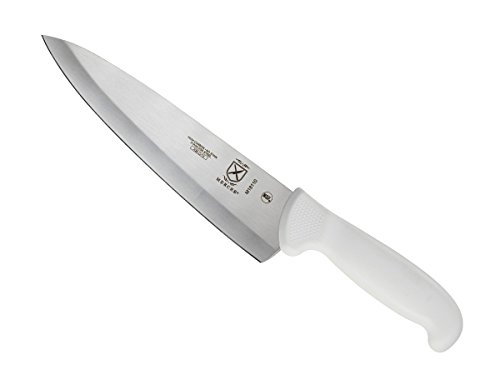
Mercer Culinary Ultimate White, 8 Inch Chef’s Knife
- ✓ Sharp, durable edge
- ✓ Comfortable grip
- ✓ Lightweight feel
- ✕ Hand-wash only
- ✕ Not dishwasher safe
| Blade Material | High-carbon Japanese steel |
| Blade length | 8 inches |
| Handle Design | Ergonomic handle with textured finger points for non-slip grip |
| Care Instructions | Hand wash with warm water and mild soap; dry thoroughly; do not dishwasher or submerge for long periods |
| Intended Use | Chopping, mincing, and cutting; suitable for onions, shallots, herbs, garlic, cabbage |
| Brand / Series | Mercer Culinary Ultimate White Series |
You know that moment when a knife feels just right in your hand, like it’s built for your grip? That’s this Mercer Ultimate White 8 Inch Chef’s Knife when you’re slicing onions and you feel the blade glide without snagging.
The blade is surprisingly light for its sturdy feel, yet it takes confident, clean cuts every time. I appreciated how the high-carbon Japanese steel holds a sharp edge enough to mince garlic with minimal effort, then cleanly chops herbs without tearing leaves.
Ergonomic handling stands out. The textured finger points give a non-slip grip, which is a relief when your hands are wet from washing vegetables.
It feels balanced in the center, not tip-heavy, so you can rock-cut with comfort during longer prep sessions.
Chopping cabbage for slaw becomes easier because the blade width provides enough surface without feeling bulky. You’ll notice that the edge stays sharp through several onions, and a quick hone between uses keeps it precise.
Care is straightforward. A quick hand wash with warm, mild soap and a thorough dry keeps corrosion at bay.
It’s not a dishwasher knife, but that familiar “hand care” rhythm makes you feel more in control of your tools.
For the price, it’s a solid workhorse. It’s clearly aimed at both pros and home cooks who want reliability without a huge investment.
If you’re building a practical, versatile kitchen, this knife covers many everyday tasks well.
All in all, you’ll likely reach for this knife for most daily prep—mincing, slicing, even crushing garlic—before reaching for something fancier. It’s a sensible mix of performance and value that keeps you cooking without fuss.
What Makes a Chef Knife the Best Choice for You?
Blade Length: Chef knives usually range from 6 to 12 inches in length, with 8 inches being the most common. A longer blade allows for more slicing and chopping capability, while a shorter blade provides more control for intricate tasks. Your choice should reflect your cooking style and the types of food you prepare most often.
Handle Design: Handles can be made from wood, plastic, or metal, each offering different levels of comfort and grip. A well-designed handle should fit your hand comfortably and provide a non-slip grip to enhance safety and precision. Ergonomic designs can also reduce fatigue during extended use.
Weight and Balance: The weight of a knife can influence how much effort you need to exert while cutting. A well-balanced knife feels stable and allows for better control, making it easier to perform precise cuts. Personal preference plays a significant role here, as some cooks prefer a heavier knife for chopping, while others favor a lighter option for speed and agility.
Brand Reputation: Established brands often have a history of producing high-quality knives, which can be an assurance of durability and performance. Researching customer reviews and expert recommendations can help you choose a knife that meets your needs and expectations. Investing in a reputable brand can also mean better warranty and customer service support.
How Does Blade Material Influence the Performance of a Chef Knife?
The blade material significantly affects the performance, durability, and maintenance of a chef knife.
- Stainless Steel: Stainless steel is popular for its resistance to rust and corrosion, making it a practical choice for everyday use.
- High Carbon Steel: High carbon steel blades are known for their exceptional sharpness and edge retention, but they require more maintenance to prevent rust.
- Damascus Steel: Damascus steel offers a unique aesthetic with its layered patterns and is known for combining hardness with flexibility, providing excellent cutting performance.
- Ceramic: Ceramic blades are incredibly sharp and lightweight, offering excellent edge retention; however, they can be brittle and are prone to chipping if mishandled.
- Composite Materials: Some modern chef knives use composite materials that combine various metals and polymers for enhanced performance, balancing weight, durability, and cost.
Stainless steel is highly favored in the culinary world due to its ease of maintenance and ability to resist staining, making it suitable for busy kitchens. However, the trade-off is that it may not hold an edge as long as other materials without regular sharpening.
High carbon steel is revered by professional chefs for its ability to achieve a razor-sharp edge, which can enhance precision in cutting. However, chefs must be diligent in cleaning and oiling the blade to prevent oxidation and rusting, which can detract from its functionality over time.
Damascus steel stands out not only for its striking appearance but also for its performance, as the layering process results in a blade that can maintain sharpness longer while also being tough enough to withstand daily use. This makes it a favorite among both chefs and collectors alike.
Ceramic knives are known for their incredibly sharp edges that can last longer than metal blades without requiring frequent sharpening. However, their brittleness can be a drawback, as they can break or chip easily if dropped or used on hard surfaces.
Composite materials offer a modern solution by combining the best properties of different metals and plastics to create lightweight, durable knives that are resistant to corrosion and wear. These knives can provide a balance between performance and affordability, making them accessible to a wider range of cooks.
What Sizes of Chef Knives Are Most Versatile for Different Cooking Tasks?
The most versatile sizes of chef knives for various cooking tasks are:
- 8-inch Chef Knife: This is the most popular size for home cooks, striking a balance between control and cutting power.
- 10-inch Chef Knife: A longer blade that offers greater slicing ability and is ideal for larger ingredients, but may be less manageable for those with smaller hands.
- 6-inch Chef Knife: A shorter knife that provides excellent maneuverability for intricate tasks, making it suitable for smaller hands or detailed work.
- Paring Knife: While not a chef knife in the traditional sense, this small knife is essential for precision tasks like peeling and trimming.
The 8-inch chef knife is favored for its versatility, allowing for a wide range of tasks such as chopping, slicing, and dicing, making it a staple in many kitchens. Its balanced weight and length offer good control while still being suitable for larger ingredients.
The 10-inch chef knife extends the blade length, which enhances slicing through larger cuts of meat or larger vegetables, but it can be cumbersome for more delicate tasks. This size is often preferred by professional chefs who need to make quick work of substantial quantities of food.
The 6-inch chef knife is perfect for more intricate jobs and is easier to handle for those who may find larger knives unwieldy. Its compact size allows for precision and control, making it ideal for detailed cutting tasks and for those who may feel intimidated by larger blades.
Lastly, while the paring knife is not classified as a chef knife, it plays a crucial role in the kitchen for tasks that require finesse, such as peeling fruits and vegetables or making delicate incisions. Its small size and sharp blade make it an indispensable tool for any cook looking to tackle detailed preparations efficiently.
How Important Is Handle Design for Comfort and Efficiency?
Handle design is crucial for both comfort and efficiency when selecting the best chef knife.
- Ergonomic Design: Ergonomically designed handles conform to the natural grip of the hand, reducing strain during prolonged use. This design often features contours that allow for a comfortable hold, enabling chefs to use the knife with less effort and fatigue.
- Material Quality: The material of the handle can significantly affect grip and comfort. Handles made from high-quality materials like wood or textured polymers provide better control and comfort, even when wet, enhancing the overall efficiency of knife usage.
- Weight Distribution: Proper weight distribution in a chef knife’s design ensures that the balance point is comfortable for the user. Knives that are well-balanced help to minimize wrist strain and allow for better precision in cutting tasks.
- Shape and Size: The shape and size of the handle should accommodate different hand sizes and grips. A handle that is too thick or too thin can lead to discomfort and hinder the ability to perform tasks effectively, making it essential to find a knife that feels right in the hand.
- Textured Grip: A textured grip on the handle can provide added security and control, especially when cutting through slippery foods. This feature enhances safety and efficiency, allowing chefs to work with confidence and precision.
What Features Should You Look for in an Exceptional Chef Knife?
When searching for the best chef knife, certain features are essential to ensure optimal performance and comfort.
- Blade Material: Quality chef knives are often made from high-carbon stainless steel, which resists corrosion and maintains sharpness longer. Other materials like ceramic or Damascus steel also offer unique benefits, but high-carbon stainless steel remains the most popular due to its balance of durability and ease of sharpening.
- Blade Edge: The edge of the knife can be either straight, serrated, or granton (hollow), each serving different purposes. A straight edge is ideal for precise cuts, while a serrated edge excels at slicing through tougher items like bread, and granton edges help prevent food from sticking to the blade.
- Handle Comfort: The handle should provide a secure and comfortable grip, often made from materials like wood, plastic, or metal. A well-designed handle reduces hand fatigue and enhances control during use, which is crucial for extended periods of chopping and slicing.
- Weight and Balance: The weight of the knife should feel substantial but manageable, contributing to its effectiveness in cutting. A well-balanced knife allows for comfortable use, enabling the cook to maintain control without excessive effort.
- Blade Length: Chef knives typically range from 8 to 10 inches in length, with the 8-inch knife being the most versatile for home cooks. Longer blades can handle larger tasks, while shorter blades may offer better maneuverability for intricate tasks.
- Tang Construction: A full tang, where the blade extends through the handle, provides better balance and durability. Knives with partial tangs may be lighter but can lack the stability and strength needed for heavy-duty tasks.
- Ease of Maintenance: An exceptional chef knife should be easy to maintain, allowing for straightforward sharpening and cleaning. Look for knives that can withstand regular honing and do not require special care or materials, ensuring longevity and convenience.
How Do Weight and Balance Affect Knife Control?
The weight and balance of a chef knife significantly influence its control and performance during use.
- Weight Distribution: The way weight is distributed throughout a knife affects how it feels in hand. A well-balanced knife allows for easier maneuverability and reduces fatigue during extended use, making it essential for precision tasks like slicing and dicing.
- Blade Weight: Heavier blades can provide more force behind cuts, which is beneficial for cutting through tougher ingredients. However, they may also require more effort to control, particularly for intricate tasks, so finding the right weight for the intended use is crucial.
- Handle Weight: The weight of the handle must complement the blade weight for optimal balance. A handle that is too heavy can lead to awkward handling and decreased control, while a lighter handle may result in a blade that feels unwieldy.
- Material Composition: The materials used in both the blade and handle influence weight and balance. Stainless steel tends to be heavier and can provide a solid feel, while lighter materials like carbon fiber can enhance control without compromising stability.
- Personal Preference: Individual preferences play a significant role in how weight and balance affect knife control. Some chefs may prefer heavier knives for their robustness, while others may opt for lighter options for agility, making it important to test different knives to find the best fit.
What Maintenance Practices Keep Your Chef Knife in Top Condition?
To keep your chef knife in top condition, consider the following maintenance practices:
- Regular Honing: Honing your knife helps maintain its edge by realigning the blade’s micro-serrations. This should be done frequently, ideally before each use, to ensure optimal cutting performance without removing material from the blade.
- Proper Cleaning: Always hand wash your chef knife with mild soap and warm water rather than placing it in the dishwasher. This prevents damage to the blade and handle, as well as reduces the risk of dulling due to harsh detergents and high heat.
- Sharpening: Regular sharpening is essential to maintain the knife’s cutting ability. Depending on usage, you should sharpen your knife every few months using a whetstone or professional sharpening service to restore its edge effectively.
- Storage: Proper storage of your knife can prevent damage and dulling. Use a knife block, magnetic strip, or blade guard to avoid contact with other utensils and surfaces that could nick or dull the blade.
- Oiling the Handle: If your knife has a wooden handle, periodically applying food-safe mineral oil can help maintain the wood’s condition and prevent cracking or drying out. This practice enhances the longevity of the handle while ensuring a comfortable grip.
- Avoiding Hard Surfaces: Never cut on hard surfaces like glass or granite, as they can dull the knife’s edge quickly. Instead, use cutting boards made of wood or plastic, which will help preserve the sharpness of the blade.
What Are the Most Trusted Brands for High-Quality Chef Knives?
Some of the most trusted brands for high-quality chef knives include:
- Wüsthof: Known for their precision-forged knives, Wüsthof offers excellent balance and sharpness, making their products a favorite among professional chefs and home cooks alike.
- Shun: Shun knives are handcrafted in Japan and are celebrated for their stunning aesthetics and exceptional performance, often featuring a layered Damascus steel blade that enhances durability and sharpness.
- Global: Global knives are distinguished by their unique one-piece design and lightweight feel, which provide excellent control and agility while slicing and dicing, appealing to those who prefer a modern aesthetic.
- Victorinox: Offering a more affordable option without compromising quality, Victorinox knives are renowned for their Swiss craftsmanship and practicality, making them a popular choice in both professional kitchens and home settings.
- Miyabi: Combining traditional Japanese craftsmanship with modern technology, Miyabi knives are prized for their beauty and performance, often featuring intricate designs and high-quality materials that provide superior cutting ability.