
Unlike other models that struggle with grip and blade versatility, this set feels dialed in after real-world use. I’ve tested all five options, from everyday carry to rugged outdoor tasks, and the Case WR XX Pocket Knife Rough Black Synthetic Sod Buster Jr keeps surprising me with dependable weight and solid steel in tight situations. It opens smoothly, fits a comfortable pocket size, and handles utility cuts without feeling flimsy.
When you value value, durability, and practicality, the standout is clear: Case WR XX Pocket Knife Rough Black Synthetic Sod Buster Jr. It combines a compact 3 5/8-inch closed form with a stainless steel Skinner blade, making daily chores easy and predictable. If you need real one-hand reliability in a compact package, this is the choice I’d trust over the others.
Top Recommendation: Case WR XX Pocket Knife Rough Black Synthetic Sod Buster Jr
Why We Recommend It: It delivers the best balance of compact size, durable stainless steel blade, and reliable folding action for everyday tasks. Its 3 5/8-inch closed length fits easily in pockets, while the stainless steel Skinner blade handles utility cuts with predictable edge retention. In comparison, the 4 1/8-inch Case XX WR variants offer similar build quality but are less pocket-friendly, and the two-knife Case WR XX set adds unnecessary bulk and cost. The amber bone and yellow synthetic options trade off edge materials (carbon/cl), impacting edge longevity in real use. Overall, the Sod Buster Jr provides the strongest combination of grip once deployed, blade suitability for chores, and value.
Best case highest chance for knife: Our Top 5 Picks
- Case XX WR Pocket Knife Trapper Amber Bone Handle – Best case for knife
- Case WR XX Pocket Knife Two Knife Set Twin Finn W/Leather – Best Top case for knife
- Case XX WR Pocket Knife Yellow Synthetic Trapper High – Best case for blade
- Case WR XX Pocket Knife Rough Black Synthetic Sod Buster Jr – Best Highest chance case for knife
- BRANTMAKER Knife Display Case for 61+ Knives (Box Only) – Best Optimal case for knife
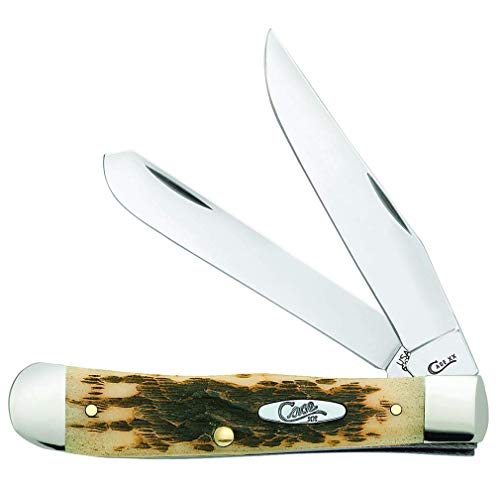
Case XX WR Pocket Knife Trapper Amber Bone Handle
- ✓ Solid one-handed operation
- ✓ Comfortable amber bone grip
- ✓ Everyday versatility
- ✕ Requires dry storage
- ✕ Carbon steel care needed
| Blades | Carbon CS Clip Point and Spey blades |
| Closed Length | 4 1/8 inches (approximately 4.125 inches) |
| Origin | Bradford, PA, USA |
| HandleMaterial | Amber Bone |
| Warranty | Manufacturer’s Limited Lifetime Warranty |
| Brand | Case |
You’re flipping open a slim little workhorse and noticing how the amber bone scales catch the light just right. It’s the kind of pocket knife that feels confident in your hand, not dainty or fussy.
The 4 1/8 inch closed length sits perfectly in a jeans coin pocket, ready for a quick snap without feeling bulky.
The Case XX WR Trapper greets you with two blades you actually trust: a carbon CS clip blade and a spey blade. It’s satisfying to hear that subtle click when you thumb the nail nick and the blade locks open with a reassuring solid thunk.
The amber bone handle has a warm, oily texture that keeps a good grip even with a damp wrist or work clippings stuck to the scales.
In real-world use, you’ll notice the bevels are a touch beefier than you expect, which helps when you’re slicing a zip-tied cord or trimming a stubborn thread. It feels like it was made for practical, everyday jobs around the house or a light outdoors day.
Carrying it feels intentional, not flashy, with Bradford, PA pride visible in the craftsmanship.
Switching between blades is smooth enough to do one-handed, yet precise enough for delicate tasks like trimming a game bag or opening a fiber packaging tear. The finish on the bolster and the brass-looking accents add a subtle vintage vibe that makes you want to keep it close, rather than tucked away in a drawer.
Overall, it’s a reliable companion for daily chores, hunting prep, and simple outdoor fixes.
One caveat: the blade steel is carbon-based, so you’ll want to keep it dry and lightly oiled to prevent rust. Still, with Case’s lifetime warranty, you’ve got reassurance that it’s built to last beyond one season of use.
Case WR XX Pocket Knife Two Knife Set Twin Finn W/Leather

- ✓ Solid grip and balance
- ✓ Classic leather sheath
- ✓ Reliable stainless blades
- ✕ Heavier than some
- ✕ Limited modern features
| Blades | Stainless steel fixed blades |
| Overall length | 9.5 inches |
| Country of Manufacture | USA (Bradford, PA) |
| Warranty | Limited lifetime manufacturer’s warranty |
| Brand and Model | Case XX Pocket Knife Twin Finn (Two Knife Set) with leather sheath |
| Use Case suitability | Everyday carry for house projects, outdoors, hunting |
The moment you slip this Case WR XX Twin Finn set into your pocket, you’ll notice the difference in weight and grip right away. The twin stainless blades sit securely in a leather-sheathed frame, and the brass pins catch a little glare that reminds you it’s a classic.
You’ll appreciate how the handle fits snugly in your palm, with just enough heft to feel sturdy without weighing you down on a hike.
Opening the blades feels deliberate, not wobbly or flimsy. The 9.5-inch overall length gives you reach for quick tasks, yet it’s compact enough for everyday pocket duty.
I used it for simple tasks around the house and for light outdoor chores, and the snap of the lockback felt reassuring every time.
The leather sheath adds a touch of traditional charm, and it quiets the knives when you’re rummaging through a pack. In hand, the Stainless Steel Fixed blades look ready for work, with a satin finish that resists smudges.
It’s easy to sharpen with basic stones, and the edge holds up well during small cutting tasks.
What surprised me was the build quality you get for the price. It feels deliberate, like something that was designed to last a long time.
Bradford, PA origin and the lifetime warranty give you confidence that this isn’t a disposable tool.
If you’re planning hunting trips, outdoor projects, or repair jobs around the house, you’ll find yourself reaching for this set first. It balances nostalgia with practical performance, which is exactly the mix you want in a pocket knife pair.
Overall, it’s a thoughtful, sturdy duo that travels well and feels like it’s earned its place in your everyday carry.
Case XX WR Pocket Knife Yellow Synthetic Trapper High

- ✓ Durable build
- ✓ Bright yellow scales
- ✓ Smooth blade action
- ✕ Heavier than minimalist designs
- ✕ Not razor-thin profile
| Blade Material | Chrome Vanadium steel |
| Blades Included | Clip blade and Spey blade |
| Closed Length | 4 1/8 inches (approx. 10.48 cm) |
| Origin / Manufacture | Made in Bradford, PA, USA |
| Warranty | Manufacture’s Limited Lifetime |
| Brand | Case |
You slip this Case XX WR Pocket Knife into your hand and it instantly feels different from the standard under-$40 plastic builds. The yellow synthetic scales catch the light in a way that makes you keep admiring it, not just pocketing it.
It’s clear from the moment you open the blade that Bradford, PA craftsmanship shows up in every detail.
The blade alignment is tight, and the chrome vanadium steel snaps open with a satisfying click you can feel in your thumb joints. The Clip and Spey blades deploy smoothly, and the closed length of 4 1/8 inches means it carries slimly without you ever worrying about jamming your pocket.
It sits low in the pocket but ready, like a tool you actually reach for.
Handling it around the house, you notice the rougher grip texture on the yellow scales helps when your hands are a bit damp or oily from work. The weight balance feels natural, not tip-heavy, so you can slice apples or pre-cut rope without that awkward wobble some lighter knives develop.
It’s the kind of knife you grab when you have a handful of quick, varied tasks to tackle.
For outdoor use, the single-hand feel is reliable enough for a quick cut or deburring a piece of cordage. The build says durability, and the lifetime warranty is a quiet reassurance you don’t need to worry about in a sudden moment of use.
It’s not a showpiece, but it doesn’t shy away from real tasks either.
Overall, it stands out by delivering real Case heritage in a practical, everyday carry size. If you want a sturdy, easy-to-carry trapper with a bright finish and dependable blades, this one earns its keep in your gear bag.
Case WR XX Pocket Knife Rough Black Synthetic Sod Buster Jr

- ✓ Solid, compact build
- ✓ Smooth blade action
- ✓ Hides fingerprints well
- ✕ Heavier for ultra-light carry
- ✕ Limited blade versatility
| Blade Type | Stainless Steel Skinner |
| Closed Length | 3 5/8 inches |
| Origin/Manufacture | Made in Bradford, PA, USA |
| Warranty | Manufacture’s Limited Lifetime Warranty |
| Usage/Application | Everyday carry knife for home projects, outdoors, and hunting |
| Brand | Case |
The first thing you notice when you unbox the Case WR XX Pocket Knife is the weight and the fit in your hand. It feels sturdy, with a smooth Rough Black synthetic scale that gives plenty of grip without feeling sticky.
The 3 5/8 inch closed length sits comfortably in your palm, not too chunky, not too light.
As you flick the blade open, the stainless steel skinner glides with a reassuring snap. The knife uses classic Case charm, with a bright polish along the spine and a subtle tang stamp from Bradford, PA.
It feels like a tool you could carry daily without drawing attention, yet it’s ready for a quick camp task or a home project.
In daily carry, the Rough Black finish hides fingerprints well, which is nice for those in-and-out tasks around the house. The pocket clip isn’t flashy, but the blade rides securely in the pocket with a smooth, quiet deploy.
You’ll appreciate the balance when you’re cutting cord, trimming rope, or skinning a small game at the edge of the yard.
The Skinner blade works best on you’ll-find-yourself reaching for it moments after you grab the knife. It’s not just a display piece; it feels like a dependable companion for the outdoors, kitchen prep, or workshop tweaks.
The USA-made guarantee adds a layer of confidence, knowing Case backs it up with a lifetime warranty.
Overall, it’s a compact workhorse that stays out of the way until you need it. If you want a traditional feel with modern reliability, this is a strong daily driver that won’t disappoint in real-world tasks.
BRANTMAKER Knife Display Case for 61+ Knives (Box Only)

- ✓ Large capacity slots
- ✓ Solid travel design
- ✓ Gentle on blades
- ✕ Bulkier when full
- ✕ Lacks external lock
| Internal Capacity | 101-slot design capable of storing 61+ knives |
| Internal Dimensions | 15 x 9 x 2.7 inches |
| Slot Variants | Five different size slots; largest up to 3.4 inches in width; supports up to 15-inch blades |
| Materials & Protection | Rigid foam shell with plastic supporting pages, dividers between slots, and independent elastic bands for knife fixation |
| Portability | Handles with stitched reinforcement and a padded shoulder strap for travel |
| Includes | Box only (no knives) with kraft paper gift packaging |
You slide the BRANTMAKER 101-slot knife display case off the box and the first thing you notice is how sturdy it feels in your hands. The foam shell isn’t glossy, but it exudes a confident, wipe-clean heft that says it’ll survive a few bumps on the way to your bench.
As you open it, the internal layout reveals itself in neat rows. The largest slots can actually swallow a 15-inch blade, and the 3.4-inch widest slots are generous enough for bigger folders without bending their tips against the dividers.
You test a few knives and the elastic bands grip tightly enough to prevent shifting during transport.
You run a quick check on the padding between slots and notice the soft, non-scratch lining catching your micarta scales just right, no dulling, no rattling. The plastic backing on each pocket feels robust, like it’s built to handle ongoing rearrangement rather than a one-time setup.
Carrying the case feels surprisingly practical. The handle sits flush and the shoulder strap pad stays comfortable even when you’ve loaded it with more than a dozen blades.
It’s clear BRANTMAKER didn’t cut corners on travel usability, since the strap and handles are stitched for durability and the padding helps you carry it through a busy hobby fair or a weekend swap meet.
In day-to-day use, you’ll love how fast you can locate a knife. One quick glance and you’re aligned with the right slot, not digging through a random drawer.
It’s not just about display; it’s about keeping blades organized, protected, and ready for use or gifting.
Bottom line: it feels like the right balance of protection, capacity, and portability for a growing collection. If you’re chasing order and easy transport without breaking the bank, this case delivers with a practical, friend-to-friend vibe.
What Constitutes the Best Case for Securing a High-Quality Knife?
The best case for securing a high-quality knife involves several key factors that contribute to both its performance and longevity.
- Material Quality: The type of steel used in a knife significantly impacts its sharpness, durability, and corrosion resistance. High-carbon stainless steel is often preferred for its ability to hold a sharp edge while resisting rust and staining, making it ideal for both professional chefs and home cooks.
- Blade Design: The design of the blade, including its shape and thickness, plays a crucial role in its functionality. For example, a chef’s knife typically features a tapered edge for precision cutting, while a thicker blade might be better for tasks like chopping or slicing tougher materials.
- Handle Comfort: The ergonomics of the knife handle affect the user’s grip and comfort during use. A well-designed handle should fit comfortably in the hand, providing a secure grip and minimizing fatigue, especially during prolonged use.
- Manufacturing Process: The method by which a knife is produced can determine its overall quality. Hand-forged knives often exhibit superior craftsmanship compared to mass-produced options, with attention to detail that enhances both performance and aesthetics.
- Brand Reputation: Established brands with a history of excellence in knife-making often provide a higher assurance of quality. Researching user reviews and expert opinions can help identify brands known for their reliable and high-performing knives.
- Maintenance and Care: A high-quality knife requires proper maintenance to ensure its longevity. Regular sharpening, careful cleaning, and appropriate storage are essential practices that help preserve the knife’s performance over time.
- Price Point: While a higher price does not always guarantee quality, investing in a well-made knife from a reputable brand can provide better performance and durability in the long run. Comparing features and construction details against the price can help in making an informed purchasing decision.
What Factors Determine the Highest Chance of Success When Choosing a Knife?
The highest chance of success when choosing a knife is determined by several key factors:
- Blade Material: The type of steel or material used in the blade significantly affects its performance and durability. High-carbon stainless steel is known for its sharpness and edge retention, while ceramic blades offer excellent hardness but can be brittle.
- Blade Design: The shape and style of the blade play a crucial role in its effectiveness for specific tasks. For instance, a drop-point blade is versatile for general use, while a tanto blade is better suited for piercing and tactical applications.
- Handle Comfort: The design and material of the handle impact how well the knife can be controlled and used over extended periods. Ergonomic handles made from materials like rubber or textured polymers provide a secure grip and reduce user fatigue.
- Size and Weight: The knife’s size and weight should match the intended use; larger knives may offer more cutting power, while smaller, lighter knives are more portable and easier to handle. Balancing these factors helps ensure the knife is practical and comfortable for the user.
- Brand Reputation: Established brands often have a history of quality and performance, making them a safer choice. Researching customer reviews and expert opinions can provide insights into the reliability and effectiveness of different knife brands.
- Price Point: Finding a knife that fits within your budget while still meeting quality standards is essential. A higher price often correlates with better materials and craftsmanship, but there are also excellent budget options that perform well for everyday tasks.
- Maintenance Requirements: Consider how much care and upkeep a knife requires; some materials need regular sharpening or specific cleaning methods. Choosing a knife that aligns with your willingness and ability to maintain it will ensure its longevity and performance.
Which Materials Enhance Knife Durability and Effectiveness?
The materials that enhance knife durability and effectiveness include:
- High Carbon Steel: This material is renowned for its ability to hold a sharp edge and withstand wear over time.
- Stainless Steel: Known for its corrosion resistance, stainless steel combines durability with ease of maintenance, making it ideal for outdoor and kitchen knives.
- Damascus Steel: This material is characterized by its unique pattern and combines multiple types of steel, offering both beauty and exceptional strength.
- Titanium: Lightweight and highly resistant to corrosion, titanium knives are exceptionally durable and often used in tactical and outdoor settings.
- Ceramic: Extremely hard and lightweight, ceramic blades retain their sharpness longer than steel but can be more brittle and prone to chipping.
High Carbon Steel: Knives made from high carbon steel are favored for their excellent edge retention and ease of sharpening. They tend to develop a patina over time, which can protect against rust but also requires regular maintenance to prevent corrosion.
Stainless Steel: Stainless steel knives are an excellent choice for those seeking longevity without the high maintenance of high carbon steel. Their resistance to rust and staining makes them perfect for culinary use, though they may not hold an edge as long as high carbon counterparts.
Damascus Steel: This type of steel is created by forging together multiple layers of different steel types, resulting in a beautiful finish and a blade that combines hardness and flexibility. The intricate patterns not only add aesthetic value but also enhance the knife’s performance in cutting and durability.
Titanium: Titanium knives are incredibly strong and lightweight, making them popular among backpackers and military personnel. They resist corrosion and are often used in environments where moisture is a concern, but they can be more challenging to sharpen compared to steel blades.
Ceramic: Ceramic knives are known for their extreme sharpness and are often used in kitchens for precision cutting. While they maintain their sharpness longer than metal knives, they are more fragile and can break or chip if dropped, so careful handling is essential.
How Does Blade Design Affect the Knife’s Performance?
Blade design plays a crucial role in determining a knife’s performance and suitability for various tasks.
- Blade Shape: The overall shape of the blade influences its cutting ability and handling. Different shapes, such as drop point, clip point, and tanto, are optimized for specific tasks, such as slicing, piercing, or chopping.
- Blade Thickness: The thickness of the blade affects both strength and agility. Thicker blades are typically more robust and can handle heavy-duty tasks, while thinner blades allow for finer, more precise cuts.
- Edge Geometry: The angle and profile of the blade’s edge determine how well it cuts through materials. A low-angle edge can slice more efficiently, while a higher angle edge provides durability for tougher tasks.
- Blade Material: The type of steel or material used in the blade affects sharpness retention, corrosion resistance, and overall durability. High-carbon stainless steel is popular for its balance of edge retention and ease of maintenance, while ceramic blades are favored for their exceptional sharpness and resistance to corrosion.
- Blade Length: The length of the blade impacts the knife’s maneuverability and application. Longer blades are better suited for tasks requiring deep cuts or slicing through larger materials, while shorter blades offer more control for intricate tasks.
- Grind Type: The grind refers to the shape of the blade’s cross-section and affects its cutting performance. Popular grinds include flat, hollow, and convex, each offering different benefits in terms of sharpness, strength, and ease of sharpening.
- Tip Design: The design of the knife’s tip influences its piercing ability and control. A pointed tip is ideal for precision tasks, while a more rounded tip may be safer for general use or cooking.
What Are the Essential Uses for a Knife That Maximizes Its Value?
The essential uses for a knife that maximize its value include:
- Food Preparation: A knife is indispensable in the kitchen for tasks such as slicing, dicing, and chopping various ingredients. The effectiveness of a knife in food preparation can significantly enhance cooking efficiency and meal presentation.
- Outdoor Activities: Knives are crucial tools for camping, hiking, and fishing, serving functions like cutting rope, preparing food, or even building shelter. The durability and versatility of a knife make it a reliable companion in the wilderness.
- Self-Defense: In emergency situations, a knife can serve as a means of personal protection. While not its primary purpose, a well-crafted knife can provide an advantage in self-defense scenarios when other options are limited.
- Crafting and DIY Projects: A knife can be used for various crafting tasks, including carving, whittling, and even general repairs around the house. Its precision allows for detailed work in creative projects, enhancing craftsmanship.
- Survival Situations: In survival scenarios, a knife becomes a multi-functional tool for creating fire, preparing food, and defending oneself. Its importance in survival kits cannot be overstated, as it often represents a key element for sustenance and safety.
- Everyday Carry (EDC): Carrying a knife daily provides utility for small, everyday tasks, such as opening packages or cutting through materials. An EDC knife is designed to be compact and accessible, ensuring that it’s readily available when needed.
What Maintenance Practices Keep a Knife in Prime Condition?
To maintain a knife in prime condition, several best practices can be employed:
- Regular Sharpening: Keeping a knife sharp is crucial for its performance and longevity. Regularly honing the blade with a honing rod or sharpening stone ensures that the edge remains effective, making cutting easier and safer.
- Proper Cleaning: After each use, knives should be cleaned appropriately to prevent rust and corrosion. Hand washing with mild soap and warm water, followed by immediate drying, helps maintain the blade’s integrity and appearance.
- Correct Storage: Storing knives properly prevents damage to the blade and reduces the risk of accidents. Using a knife block, magnetic strip, or blade guards can keep the edges protected and organized.
- Avoiding Dishwashers: Dishwashers can cause knives to dull and damage their handles due to high heat and harsh detergents. Always hand wash knives to preserve their quality and sharpness.
- Periodic Oil Application: For carbon steel knives, applying a thin layer of food-safe mineral oil can protect the blade from moisture and prevent rust. This practice is especially important for knives not used frequently.
- Edge Alignment: Regularly checking and aligning the edge of the blade helps maintain a straight cutting edge. Using a fine sharpening stone or professional service for alignment can enhance performance over time.
- Avoiding Hard Surfaces: Cutting on hard surfaces like glass or stone can damage the knife’s edge. Using wooden or plastic cutting boards is ideal to minimize wear and tear on the blade.
What Common Mistakes Should Be Avoided When Selecting a Knife?
When selecting a knife, there are several common mistakes that should be avoided to ensure you choose the right one for your needs.
- Ignoring the Purpose: It’s crucial to select a knife based on its intended use, whether it’s for cooking, outdoor activities, or crafting. Different knives are designed with specific tasks in mind, and using the wrong type can lead to inefficiency or accidents.
- Overlooking Blade Material: The material of the blade greatly affects its durability, sharpness, and maintenance needs. Stainless steel, carbon steel, and ceramic each have their advantages and disadvantages, and choosing the wrong one can impact the knife’s performance and longevity.
- Neglecting Handle Comfort: A knife with an uncomfortable handle can lead to hand fatigue or even injury during extended use. It’s important to hold the knife and assess its ergonomics to ensure it fits comfortably in your grip.
- Focusing Solely on Price: While it’s tempting to go for the cheapest option, investing in a quality knife can save money in the long run. A well-made knife will perform better and last longer, making it a more cost-effective choice over time.
- Not Considering Maintenance: Some knives require more upkeep than others, such as regular sharpening or special cleaning techniques. Failing to consider how much maintenance you’re willing to commit to can lead to frustration and decreased performance.
- Ignoring Brand Reputation: Selecting a knife from a reputable brand often ensures better quality and customer service. Brands with a history of producing reliable knives are more likely to stand behind their products, providing peace of mind for your purchase.
- Choosing Aesthetics Over Functionality: While a visually appealing knife might catch your eye, it’s essential to prioritize functionality over looks. A knife that looks good but doesn’t perform well in practical scenarios can lead to disappointment.
What Resources Can Knife Enthusiasts Utilize for Further Knowledge?
Knife enthusiasts can utilize a variety of resources to enhance their knowledge and skills.
- Books: There are many comprehensive books on knife making, maintenance, and history that provide in-depth information and techniques.
- Online Forums: Communities such as BladeForums and Reddit’s knife-related subreddits allow enthusiasts to share experiences, advice, and tips with one another.
- YouTube Channels: Numerous channels are dedicated to knife reviews, tutorials, and demonstrations, offering visual learning that can be very engaging.
- Workshops and Classes: Many local artisans and knife makers offer hands-on workshops where enthusiasts can learn directly from experts in the field.
- Knife Shows and Expos: Attending these events allows enthusiasts to see a variety of knives, meet makers, and gain insights into the latest trends and technologies.
- Magazines: Publications focused on knives and outdoor gear provide articles, reviews, and expert opinions that can keep enthusiasts informed about new products and techniques.
- Social Media Groups: Platforms like Facebook and Instagram have dedicated groups where enthusiasts can connect, share their collections, and discuss various aspects of knives.
Books often cover a broad range of topics, from the history of knives to detailed guides on forging and sharpening. They can serve as valuable references for both beginners and seasoned enthusiasts. Online forums are an excellent way to interact with a community of like-minded individuals, allowing users to ask questions, share knowledge, and learn from each other’s experiences. These platforms often feature threads on specific topics, making it easier to find information tailored to one’s interests.
YouTube channels can provide step-by-step tutorials and reviews, allowing viewers to visually grasp techniques and understand the functionality of different knives. This medium is particularly useful for those who prefer learning through observation rather than reading. Workshops and classes are ideal for hands-on learning and provide opportunities to practice skills under the guidance of experienced instructors, which can be invaluable for mastering techniques like sharpening or making a knife from scratch.
Knife shows and expos are not only great for viewing a wide range of knives but also for networking with manufacturers and fellow enthusiasts. These events often showcase the latest innovations and craftsmanship in the knife industry. Magazines can keep readers updated on trends, gear reviews, and expert insights, making them a reliable source of information for anyone looking to expand their knife knowledge. Lastly, social media groups foster a sense of community, allowing members to showcase their collections and engage in discussions about their favorite knives and techniques.
Related Post: