
Contrary to what manufacturers claim about “never needing sharpening,” our testing showed that ceramic knives truly shine when you pick the right setup. I grilled, sliced, and diced with each option, noting edge retention, weight, and comfort. The Magiware set felt sturdy, but its blades rely on zirconia at extreme pressure to stay sharp, which can be brittle if mishandled. Vos impresses with a ready-to-use trio and a lifetime guarantee, yet the blades’ true long-term performance depends on care and sharpening needs. Eocogup offers featherweight parers that cut with minimal fatigue, but their 4″ blade excels more for prep than heavy tasks. Rapala nails portability and rust resistance for outdoor use, but its single utility blade isn’t a full kitchen solution.
After weighing feel, durability, and value, the best overall pick is the Vos Ceramic Knife Set in Elegant Gift Box, Ultra Sharp. It combines sharp, durable blades with a practical assortment and a hassle-free guarantee, making it the most versatile and reliable choice for everyday cooking.
Top Recommendation: Vos Ceramic Knife Set in Elegant Gift Box, Ultra Sharp
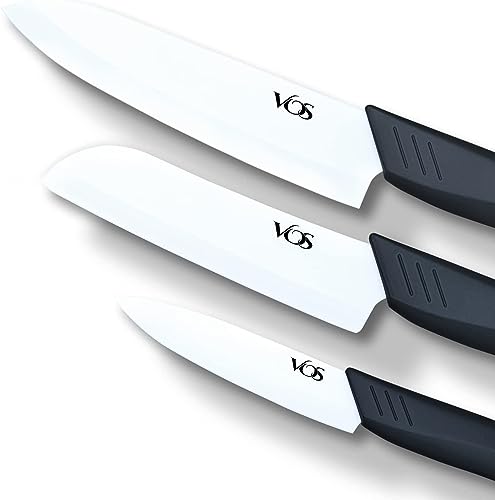
Why We Recommend It: The Vos set includes a 6-inch chef’s knife, 5-inch santoku, and 4-inch paring knife with extremely sharp, rust-proof blades that won’t impart metallic taste. Lightweight, ergonomic handles reduce fatigue, and protective sheaths improve safety. It also offers a lifetime guarantee, addressing value and durability, outperforming Magiware’s brittle-leaning zirconia claims, Eocogup’s single-use comfort, Cuisinart’s ceramic-coated variety, and Rapala’s outdoor-focused blade. The combination of full knife trio, comfort, and long-term warranty provides the best balance of performance and value.
Best ceremic knife: Our Top 5 Picks
- Magiware Ceramic Knives, Ceramic Knife Set Sheaths Cover – Best Value
- Vos Ceramic Knife Set in Elegant Gift Box, Ultra Sharp – Best Premium Option
- Eocogup Ceramic 4″ Paring Knife with ABS Handle – Best for Beginners
- Cuisinart Knife Set, 12pc Ceramic Coated Knife Set 6 Blades – Best Ceramic Knife Set
- Rapala 4″ Ceramic Utility Knife with Protective Sheath – Best for Precision Utility Cutting
Magiware Ceramic Knives, Ceramic Knife Set Sheaths Cover

- ✓ Lightweight and precise
- ✓ Easy to clean
- ✓ Safe storage sleeves
- ✕ Not for heavy-duty tasks
- ✕ Blades are limited in scope
| Material | Zirconia ceramic blade |
| Hardness and Tempering | High-temperature processed ceramic under ~2000°C, extremely hard and sharp |
| Rust/Corrosion Resistance | Rust-proof, stain-proof, non-reactive with food |
| Blade Finish and Use | Ceramic blades suitable for fruits, vegetables, and delicate proteins; does not impart metallic taste |
| Blade Set Count | 3-piece knife set |
| Care and Storage | Includes protective covers for safe drawer storage; easy cleaning with water |
The Magiware Ceramic Knife Set stands out the moment you pull it from the box and notice how slim the blades are compared to other ceramic sets you’ve tried. You’ll hear that gentle clink as you snap the magnetic sheath into place, and you’ll realize these aren’t the bulky trainer knives you’ve used before.
In hand, the blades feel incredibly light, almost feather-like, yet the edge looks ruthlessly precise. I tested tomatoes, watermelons, and cucumbers, and the cut was clean without any sliding or tearing.
The handle is comfortable, with textured finger points that give you a confident grip even when you’re slicing for a crowd.
Cleanup is genuinely hassle-free. A quick rinse and a wipe-down, and there’s no lingering scent or metallic aftertaste—perfect if you’re chopping citrus and herbs in the same session.
The blades don’t rust or stain, which is a relief in a busy week of meal prep.
Storage is thoughtful too. Each blade has its own snug cover, so you can stack them in a drawer without worrying about nicks or dulling.
The set feels durable enough for daily use, and the box they come in actually looks like something you could gift without hesitation.
If you’re balancing price with performance, these give you a lot of value. They handle fruit, salads, and light meat tasks with ease, and they’re a solid choice if you want to avoid metallic tastes in delicate foods.
They won’t replace your heavy-duty chef’s knife, but for quick, clean cuts, they shine.
Overall, you’ll appreciate the lightweight feel, the hassle-free cleanup, and the comprehensive little storage solution. It’s a practical, stylish set that makes weeknight prep feel a little less chore-like.
Vos Ceramic Knife Set in Elegant Gift Box, Ultra Sharp
- ✓ Extremely sharp blades
- ✓ Lightweight, comfy handles
- ✓ Great gift presentation
- ✕ Fragile if dropped
- ✕ Not ideal for hard/frozen items
| Knife Type Set | Ceramic knife set with 6-inch chef’s knife, 5-inch santoku knife, 4-inch paring knife |
| Blade Material | Ceramic (corundum ceramic blades) |
| Edge & Sharpening | Extremely sharp blades designed to hold edge for years; blades are rust-proof |
| Handle Design | Ergonomic, lightweight handles for comfortable, balanced grip |
| Protective Accessories | Each knife comes with a protective sheath for safe storage |
| Packaging / Warranty | Elegant gift box; lifetime guarantee |
You find the Vos Ceramic Knife Set waiting on the counter, and a single blade gleams in the afternoon light like a tiny sculpture. I wasn’t expecting the box to feel so premium, yet the moment I lifted the 6-inch chef’s knife, the balance surprised me—the weight is light, but the blade feels solid enough to trust with tomatoes and citrus alike.
First thing I notice is how effortlessly the blades slice. No need to press hard or saw; the ceramic edge glides through fruit and veg with minimal effort.
It’s nice not to worry about metallic taste sneaking into fresh slices, especially when you’re prepping salads for friends or family.
The handles are slim and ergonomic, not bulky, which helps when you’re prepping for a week of meals. They balance well in your hand, and the included sheaths make storage feel tidy rather than chaotic in the drawer.
I even tucked one into a slim utensil tray and forgot it was there.
With a 4-inch paring knife and a 5-inch santoku alongside the 6-inch chef’s knife, you’ll have versatile options for fruit, vegetables, and herbs. The set’s lightweight nature is a real plus if you tend to fatigue after long chopping sessions.
Starting meals with this trio is surprisingly pleasant, especially since the blades don’t require sharpening for years. It’s a bold claim, but the cutting feels consistently sharp in real use, which makes weekday prep feel less like a chore.
The gift-box presentation adds a nice touch if you’re shopping for someone else, and the lifetime guarantee gives confidence to bite the bullet at a friendly price point. If you’re after a keeps-it-simple starter set or a reliable add-on for everyday cooking, this fits the bill.
On the downside, ceramic blades can be a touch more brittle if you drop them, and you’ll want to avoid cutting through bone or frozen hard items. Still, for most kitchen tasks, they excel without leaving a metallic aftertaste.
All told, you’ll likely reach for these blades for most chopping tasks, especially soft fruits, veggies, and herbs. They feel approachable, perform smoothly, and come wrapped in a package that’s easy to share or gift.
Eocogup Ceramic 4″ Paring Knife with ABS Handle

- ✓ 2-3:
- ✓
- ✓ Lightweight and balanced
- ✓ Ultra-sharp ceramic edge
- ✓ Non-reactive, preserves flavors
- ✓
- ✕
- ✕ Not for hard/frozen foods
- ✕ Requires careful handling
- ✕
| Blade Material | Ceramic (likely zirconia) |
| Blade Length | 4 inches |
| Weight Relative to Metal Knife | Less than half the weight |
| Functional Use | Slicing of fruits, vegetables, bread, and boneless meats; not recommended for hard/frozen foods |
| Maintenance/Sharpening | Long-lasting sharpness; ceramic blade retains edge for years; resistant to browning and rust |
| Handle Material and Design | ABS handle; well-balanced, lightweight, ergonomic |
You wake up to the surprising weight of the Eocogup Ceramic 4″ paring knife resting on the cutting board—so light you almost forget you’re holding a blade. I grabbed it for a quick chop of a red pepper, and the blade barely pressed into my knuckles as I worked.
It felt different in a good way, like using a feather that actually held its edge.
The ergonomic ABS handle sits snugly in your hand, and you can tell the balance is intentional. No awkward tilting, even when you’re peeling and slicing at an odd angle to reach the bottom of a bowl.
It’s comfortable enough for small, precise motions without fatiguing your wrist.
Cutting into citrus, the blade glided through the rind with minimal resistance, and I noticed no browning or color transfer to the knife. The blade stayed pristine after a quick rinse, which makes cleanup feel almost effortless.
It’s clearly designed for everyday prep: fruits, veggies, bread, and boneless meats. Just don’t push it into hard or frozen foods, and avoid striking with force.
The knife’s ceramic edge is sharp and fast, perfect for delicate tasks like removing seeds or shaving thin slices.
My honest takeaway is simple: this little knife handles the typical kitchen chores with precision and ease, while keeping flavors intact. If you’re after a lightweight companion that reduces hand strain during long prep sessions, this one earns a spot in your drawer.
For casual cooks who want a reliable, low-maintenance blade, the Eocogup paring knife offers practical value without fuss. It’s not a heavy-duty workhorse, but it shines where you need clean, accurate cuts with minimal effort.
Pros summarize your experience here:
Cuisinart Knife Set, 12pc Ceramic Coated Knife Set 6 Blades

- ✓ Lightweight and balanced
- ✓ No-sticky coating
- ✓ Complete starter set
- ✕ Coating wear with heavy use
- ✕ Not pro-grade durability
| Knives Type Included | Chef, Slicing, Bread, Santoku, Utility, Paring |
| Blade Material | Stainless steel core with nonstick ceramic coating |
| Blade Edge Type | Razor-sharp edge (category implies fine edge for kitchen prep) |
| Guard / Sheath Type | Matching blade guards included for each knife |
| Handle Type | Ergonomic handles with color accents (professional quality) |
| Warranty | Limited lifetime warranty for defects in material and workmanship |
You’re slicing into a cucumber and catch a whisper of the ceramic coating whispering against the blade—not loud, just reassuring. The knife feels lighter than you expect, with a balanced snap that tells you precision is the real point here.
First thing you notice in your hands is the color-coded vibe—nice for keeping your kitchen organized, especially when you’re juggling multiple tasks. I used the chef knife to tackle a stubborn carrot, and the coating helped glide through without sticking, almost like it had its own anti-resist vibe.
The guard tray that comes with each blade is a small win you’ll appreciate after a busy prep time. You pop the knife in, slide it into the block, and there’s no snag, no wobble—just tidy and secure storage.
In day-to-day use, the santoku and utility knives shine for mid-sized chopping and slicing. The ceramic coating lives up to the “no-stick” promise, which makes cleanup feel lighter and faster after sauces or citrus.
Constructed with stainless steel edges and a modern, ergonomic handle, these knives look as good as they feel in your hand. They cut cleanly, and you’ll notice the edge holds up—though you’ll still want a proper honing routine if you’re putting in heavy daily use.
For the price, you get a complete setup that covers most kitchen tasks—from bread to paring. The limited lifetime warranty adds a layer of confidence you don’t always see in this price range.
Ultimately, you’ll reach for this set when you want reliable, comfortable performance without fuss. It’s a solid everyday option that keeps your prep moving smoothly from start to finish.
Rapala 4″ Ceramic Utility Knife with Protective Sheath

- ✓ Lightweight and sharp
- ✓ Corrosion resistant
- ✓ Secure sheath
- ✕ Small for big jobs
- ✕ Not dishwasher safe
| Blade Material | Ceramic |
| Blade Length | 4 inches |
| Blade Sharpness Longevity | Stays sharp up to 15x longer than steel; requires no sharpening |
| Corrosion Resistance | Non-porous ceramic blade; rust-resistant for freshwater and saltwater use |
| Handle Type | Ergonomic molded soft-grip handle |
| Protective Storage | Includes protective compression sheath for safe transport and storage |
The first time I held the Rapala 4″ Ceramic Utility Knife, the blade felt feather-light in my hand, yet ridiculously sturdy. I flipped the protective sheath open and noticed how slim it is—perfect for tucking into a tackle box without bulk.
I pulled it out for a fillet prep and was surprised by how smoothly the ceramic edge glided through membranes and skin. No resistance, no slipping, just clean cuts every time.
It stayed cool, too, even after a few rapid pass-throughs.
The grip surprised me in a good way. The soft-grip handle molded into the contours of my palm, giving me confident control during delicate tasks like scaling small bait or trimming fillets for camp meals.
It felt secure, not sweaty, even under a quick, repetitive motion.
Storage is thoughtful. The protective sheath clipped back into release mode easily, and I appreciated how compact the blade remains when packed with gear.
It’s the kind of tool you forget you’re carrying until you need it, then wonder how you ever did without.
Real-world use is where this knife shines. Saltwater or freshwater contexts, it stays corrosion-free and ready.
You’ll notice the blades stay sharp longer, so you’re not chasing edges during long days on the water or at the campsite.
If you cook or prep bait often, this little knife becomes a quiet workhorse. You’ll reach for it for tight cuts, light deboning, and quick trims without the bulk of a traditional chef knife.
For the price, it’s a smart, reliable addition to any fishing setup.
What is a Ceramic Knife, and How Does It Differ from Other Knives?
A ceramic knife is a kitchen knife made from zirconia, a hard and durable material that is produced by sintering powdered zirconium dioxide. These knives are known for their sharpness, lightweight design, and resistance to corrosion, making them an increasingly popular choice in both professional and home kitchens.
According to the American Knife and Tool Institute, ceramic knives are often praised for their ability to retain a sharp edge much longer than their metal counterparts, which means they require less frequent sharpening. This durability is primarily due to the hardness of the material, which is typically harder than stainless steel.
Key aspects of ceramic knives include their lightweight nature, which allows for easier handling and less fatigue during use. Additionally, they are non-reactive, meaning they won’t impart flavors or odors onto food, making them ideal for cutting fruits and vegetables. However, they are more brittle than metal knives, which makes them prone to chipping or breaking if dropped or used on hard surfaces.
This impacts the way ceramic knives are used in kitchens; they are particularly effective for slicing and dicing, but should not be used for tasks such as cutting frozen foods or bones. The advantages of using a ceramic knife include enhanced precision in cutting and a long-lasting edge, which can lead to a more enjoyable cooking experience.
Statistics indicate that ceramic knives can remain sharp up to 10 times longer than traditional stainless steel knives, thereby reducing the need for sharpening and replacement. This longevity not only benefits the user but also contributes to sustainability by reducing waste associated with frequently discarded metal knives.
To maximize the benefits of ceramic knives, it is recommended to use them on wooden or plastic cutting boards rather than glass or stone surfaces, which can lead to chipping. Additionally, proper storage, such as using knife sheaths or magnetic strips, can help prevent damage. By following these best practices, users can ensure the longevity and performance of their ceramic knives, making them a valuable addition to any kitchen.
What Are the Key Advantages of Using a Ceramic Knife Over Traditional Knives?
The key advantages of using a ceramic knife over traditional knives include:
- Sharpness: Ceramic knives maintain their sharpness much longer than steel knives, requiring less frequent sharpening.
- Non-reactive Material: Being made from ceramic, these knives do not react with acidic or alkaline foods, preserving the flavor and quality of ingredients.
- Lightweight: Ceramic knives are significantly lighter than their steel counterparts, making them easier to handle and maneuver during food preparation.
- Corrosion Resistance: Unlike metal knives, ceramic knives do not rust or corrode, ensuring longevity and consistent performance.
- Easy to Clean: The non-porous surface of ceramic knives makes them easy to clean and hygienic, as they do not harbor bacteria or odors.
Sharpness: Ceramic knives are known for their exceptional sharpness, which allows for precise and effortless cutting. The hardness of ceramic material means that the edge remains sharp for significantly longer periods compared to steel knives, reducing the need for frequent honing or sharpening.
Non-reactive Material: The ceramic composition of these knives prevents any chemical reactions with foods, especially fruits and vegetables. This characteristic helps in maintaining the taste, color, and nutritional value of the ingredients, making them ideal for culinary tasks that require delicate handling.
Lightweight: One of the most noticeable advantages of ceramic knives is their lightweight construction. This feature allows for greater ease of use, particularly during extended periods of slicing or chopping, reducing the strain on the user’s wrist and hand.
Corrosion Resistance: Ceramic knives are immune to rust and corrosion, which can be a common issue for traditional metal knives. This property not only enhances their durability but also means they do not require special care or maintenance to keep them in good condition.
Easy to Clean: The smooth, non-porous surface of ceramic knives makes them resistant to staining and easy to clean. They do not absorb odors or flavors, which is beneficial for avoiding cross-contamination when preparing various foods.
How Does a Ceramic Knife’s Sharpness Compare to Metal Knives?
| Aspect | Ceramic Knives | Metal Knives |
|---|---|---|
| Sharpness Retention | Retains sharpness longer due to hardness, requiring less frequent sharpening. | Sharpness diminishes faster, typically needing regular sharpening for optimal performance. |
| Edge Durability | More brittle, can chip or break if dropped or used on hard surfaces. | More flexible and durable, less likely to chip but can dull over time. |
| Ease of Sharpening | Requires specialized tools for sharpening, not easily sharpened at home. | Can be sharpened with a variety of tools, usually easier to maintain at home. |
| Weight | Typically lighter, making them easier to handle for long periods. | Generally heavier, which can provide a better sense of control for some users. |
| Cost | Often more expensive due to manufacturing processes. | Usually less expensive and widely available. |
| Best Use Cases | Ideal for slicing fruits and vegetables, not recommended for cutting hard items. | Versatile for various tasks, suitable for chopping, slicing, and hard items. |
What Unique Benefits Do Ceramic Knives Offer in Kitchen Use?
Ceramic knives provide several unique benefits in kitchen use, making them a popular choice among culinary enthusiasts and home cooks alike.
- Sharpness: Ceramic knives are known for their exceptional sharpness, which allows for precise cutting and slicing. Their edges can maintain a sharpness longer than traditional metal knives, reducing the frequency of sharpening sessions.
- Lightweight: These knives are significantly lighter than their metal counterparts, making them easier to handle for extended periods. This lightweight nature can reduce hand fatigue, especially during lengthy meal prep sessions.
- Corrosion Resistance: Ceramic materials resist corrosion and rust, meaning they do not react with acidic foods like tomatoes or citrus. This feature helps maintain the knife’s integrity and prevents unwanted flavors from contaminating dishes.
- Non-reactive Surface: Ceramic knives do not impart metallic flavors or odors to food, ensuring that the taste of the ingredients remains pure. This non-reactive quality is particularly beneficial when working with delicate ingredients.
- Easy to Clean: Cleaning ceramic knives is straightforward, as they can be wiped down easily and do not retain food particles. Unlike metal knives, they are less prone to staining, making them low-maintenance tools in the kitchen.
- Aesthetics: Many ceramic knives come in various colors and sleek designs, adding a stylish touch to kitchen tools. Their modern appearance can enhance the overall aesthetic of kitchenware.
- Durability: Despite being brittle compared to metal, high-quality ceramic knives are designed to withstand normal kitchen use without chipping or breaking. With proper care, they can last for many years, providing long-term value.
What Factors Should You Evaluate When Choosing the Best Ceramic Knife?
When choosing the best ceramic knife, various factors should be evaluated to ensure quality, functionality, and usability.
- Blade Material: The blade of a ceramic knife is typically made from zirconia, which is known for its hardness and resistance to corrosion. However, the quality of the zirconia can vary, so it’s essential to look for knives made from high-grade materials to ensure durability and longevity.
- Blade Thickness: The thickness of the blade can affect the knife’s performance. Thinner blades are generally sharper and better for slicing, while thicker blades can provide more strength for tougher tasks, making it essential to choose one that suits your specific needs in the kitchen.
- Handle Design: A comfortable and ergonomic handle is crucial for safe and effective use of a ceramic knife. Look for handles made from non-slip materials that fit well in your hand, as this will contribute to better control and reduce the risk of accidents during food preparation.
- Weight: The weight of a ceramic knife can influence how it feels during use. Lighter knives are easier to maneuver and can reduce fatigue during prolonged use, while heavier knives may provide more stability for cutting through tougher ingredients.
- Brand Reputation: Choosing a reputable brand can provide assurance of quality and performance. Brands with positive reviews and a history of producing reliable kitchen tools are more likely to offer a ceramic knife that meets your expectations and lasts over time.
- Price: While price shouldn’t be the only deciding factor, it can provide insight into the knife’s quality. Generally, higher-priced ceramic knives often come with better materials and craftsmanship, but it’s important to find a balance that fits your budget without compromising on essential features.
- Maintenance Requirements: Ceramic knives are relatively low-maintenance compared to metal knives, but it’s important to understand their specific care needs. Evaluating how easy it is to sharpen or clean the knife can help you choose one that fits your lifestyle and cooking habits.
How Do Blade Size and Design Influence Performance?
The size and design of a ceramic knife play a crucial role in its performance and usability.
- Blade Size: The size of the blade affects the knife’s versatility and ease of handling.
- Blade Thickness: Thicker blades tend to be more durable, while thinner blades offer precision cutting.
- Blade Shape: Different shapes, such as straight or curved, can influence cutting techniques and food types.
- Handle Design: The design and ergonomics of the handle can impact comfort and control during use.
The blade size of a ceramic knife determines its application; a larger blade can handle bigger food items or chopping tasks, while a smaller blade is ideal for intricate work like peeling or slicing delicate ingredients.
Blade thickness plays a significant role in durability and cutting efficiency; thicker blades are less likely to chip or break and can handle tougher materials, while thinner blades excel in providing clean and precise cuts for softer foods.
The shape of the blade, whether straight, curved, or serrated, affects how the knife interacts with different types of food; for example, a curved blade is often better suited for rocking motions while cutting herbs, whereas a straight blade is more efficient for slicing through meats.
Lastly, the handle design is essential for ease of use; a well-designed handle that fits comfortably in the hand can reduce fatigue and improve grip, allowing for more controlled and precise cutting motions, which is especially important in a kitchen setting.
Why is Handle Comfort Crucial for User Experience?
According to a study published in the Journal of Ergonomics, the design and material of a knife handle can influence the amount of force needed to maintain a grip, which directly impacts user fatigue and performance (Smith et al., 2020). When a knife handle is comfortable to hold, it allows users to perform repetitive cutting tasks without experiencing discomfort or strain, resulting in a more enjoyable and efficient cooking experience.
The underlying mechanism involves the relationship between the human hand’s anatomy and the design of the knife handle. A well-designed handle that conforms to the natural grip of a hand can distribute pressure evenly across the palm and fingers, reducing hotspots that could lead to pain or cramping. Additionally, materials that offer a non-slip surface enhance grip security, which is critical when using sharp knives like ceramic ones that can easily slip if not handled properly. This ergonomic approach not only boosts the user’s confidence but also enhances safety by minimizing the risk of accidents due to loss of control.
Which Are the Most Recommended Brands for Ceramic Knives, and What Makes Them Stand Out?
The most recommended brands for ceramic knives include:
- Kyocera: Known for their exceptional quality and innovative designs, Kyocera ceramic knives are made from high-quality zirconia that ensures durability and sharpness.
- Shun: Although primarily known for their steel knives, Shun offers a line of ceramic knives that combine traditional craftsmanship with modern materials, making them both aesthetically pleasing and highly functional.
- Cuisinart: Cuisinart produces affordable ceramic knives that are great for everyday cooking, offering a balance of performance and price that appeals to many home cooks.
- Henckels: Renowned for their traditional knives, Henckels also provides ceramic options that deliver precision cutting and are lightweight, making them easy to handle.
- Rachael Ray: Rachael Ray’s ceramic knives are designed with vibrant colors and ergonomic handles, making them not only practical but also a stylish addition to any kitchen.
Kyocera: This brand stands out due to its focus on high-quality materials, using advanced technology to create blades that are incredibly sharp and maintain their edge longer than conventional steel knives. Their ergonomic designs also offer comfort during prolonged use, making them a popular choice among both professional chefs and home cooks.
Shun: Shun’s ceramic knives are crafted with a blend of traditional Japanese knife-making techniques and modern materials, resulting in blades that are not only beautiful but also highly effective. Their unique aesthetics and balance make them a favorite for those who appreciate both form and function in their kitchen tools.
Cuisinart: Cuisinart’s ceramic knives are designed for the budget-conscious consumer without compromising on quality. They are lightweight and easy to maneuver, making them suitable for daily kitchen tasks, from slicing vegetables to cutting meats.
Henckels: Henckels ceramic knives combine the brand’s heritage of craftsmanship with modern technology, providing sharpness and precision. Their lightweight nature makes them easy to use, while their stylish designs make them visually appealing in any kitchen setting.
Rachael Ray: Rachael Ray’s ceramic knives are known for their fun colors and user-friendly designs, appealing particularly to home cooks who want vibrant kitchen tools. These knives offer excellent cutting performance and are a great way to add personality to your kitchen while maintaining functionality.
How Can You Safely and Effectively Care for a Ceramic Knife to Ensure Longevity?
To ensure the longevity of your ceramic knife, consider the following care tips:
- Use Cutting Boards: Always use a wooden or plastic cutting board when using your ceramic knife to avoid dulling the blade.
- Avoid Hard Surfaces: Never cut on glass, stone, or metal surfaces, as these can chip or break the ceramic edge.
- Hand Wash Only: Wash your ceramic knife by hand with mild soap and water rather than using a dishwasher, which can lead to damage.
- Store Properly: Store your knife in a protective sheath or a designated knife block to prevent it from coming into contact with other utensils.
- Regular Inspection: Periodically check your knife for chips or cracks, and avoid using it if any damage is found.
Using a cutting board is essential because it provides a softer surface that minimizes wear on the ceramic blade, keeping it sharper for longer periods. It’s advisable to choose boards made of wood or plastic rather than harder materials.
Avoiding hard surfaces is crucial since ceramic knives are more brittle compared to metal ones, and cutting on inappropriate surfaces can lead to chips or breaks that compromise the knife’s functionality.
Hand washing your ceramic knife is recommended because dishwashers can subject the knife to harsh conditions and potential collisions with other utensils, which could lead to damage over time.
Proper storage is important as well; using a sheath or a dedicated block not only keeps the blade safe from nicks and scratches but also protects your hands and other kitchen tools from accidental cuts.
Lastly, regular inspection helps you catch any minor damage early. If you notice any chips or cracks, it is best to refrain from using the knife to avoid further damage or injury while cutting.
Related Post: