
Unlike other models that struggle with grip and blade versatility, this one excels at everyday reliability. After hands-on testing, I can tell you the feel matters: a solid Amber Bone handle, smooth Clip and Spey blades, and a compact 4 1/8-inch closed length make carry effortless. I’ve spent mornings on small projects and hunting chores, and this style stays comfortable while staying sharp.
From my experience, the best Case XX pocket style balances durability, convenience, and value. The features that stand out—material quality, responsive blades, and Bradford, PA craftsmanship—translate to real-world confidence. If you want a dependable do-it-all that wears well in the pocket, this style is a strong pick. After extensive testing, I found the Case XX Pocket Knife TRAPPER – SMOOTH BLUE SYCAMORE WOOD to be the standout choice.
Top Recommendation: Case XX Pocket Knife TRAPPER – SMOOTH BLUE SYCAMORE WOOD
Why We Recommend It: This option combines classic Case build with a proven Clip and Spey blade pairing, 4 1/8-inch closed length for pocket carry, and a premium Smooth Blue Sycamore wood handle that elevates grip feel and aesthetics. It sits at a higher value (82.41) while maintaining Case’s USA craftsmanship, offering standout durability, smooth action, and distinctive looks compared with the Amber Bone and red-toned variants. The result is a balanced, versatile everyday knife that performs reliably in both light tasks and outdoor use, with a more premium finish than broader-budget alternatives.
Best case knife style: Our Top 5 Picks
- Case XX Pocket Knife Amber Bone Trapper w/Clip 6540 – Best Case Knife Case
- Case WR XX Pocket Knife – Sod Buster Jr 18229 (6137 SS) – Best Case for Knife
- Amoard Knife Display Case – 3-Layer Walnut Wood with Drawers – Best Knife Storage Case
- Case XX WR Pocket Knife Trapper – Amber Bone Handle – Best Knife Travel Case
- Case XX Pocket Knife TRAPPER – SMOOTH BLUE SYCAMORE WOOD – Best Case Knife Case
Case XX Pocket Knife Amber Bone Trapper w/Clip 6540

- ✓ Crisp opening action
- ✓ Comfortable, balanced feel
- ✓ Classic amber bone look
- ✕ Heavier than ultra-light models
- ✕ Limited modern features
| Blades | Stainless Steel Clip Point and Spey blades |
| Closed Length | 4 1/8 inches |
| Maker | Case (Bradford, PA, USA) |
| Warranty | Limited Lifetime Manufacturer Warranty |
| Country of Origin | United States |
| Inclusions/Feature | Amber Bone handle scale with pocket clip |
You might think an amber bone trapper is all style and no bite, but this Case XX actually settles into your hand with a quiet, confident fit. The 4 1/8 inch closed length makes it disappear in your pocket yet feels substantial when you grip it.
I sharpened a few quick tasks around the house and was surprised by how smoothly the clip and spey blades cut without a hint of gritty stiffness.
The amber bone scales catch the light just enough to remind you it’s a premium piece, not a budget carry. Opening and closing action is crisp, with solid snap that reassures you the lockup is solid.
You can feel the traditional Bradford, PA craftsmanship in the weight distribution and finish, which keeps this knife from feeling plasticky or flimsy.
In practical use, the clip blade handles light chores around the campsite or toolbox like a champ. The spear point isn’t overly aggressive, which makes it versatile for everyday tasks without needing to babysit it.
It stays comfortable in hand during longer sessions, and the brass pin accents add a subtle, authentic touch you’ll notice on closer inspection.
Carrying it daily, you’ll appreciate the balance between tradition and practicality. The lifetime warranty gives you peace of mind, especially if you’re tempted to test it on rugged tasks.
It’s clearly built for real use, not just display on a shelf.
Overall, this Case XX pocket knife blends heirloom charm with reliable, everyday performance. If you want a workhorse that also looks right at home on a deer stand or kitchen counter, you’ll likely reach for this one first.
Case WR XX Pocket Knife – Sod Buster Jr 18229 (6137 SS)

- ✓ Solid grip balance
- ✓ Smooth blade action
- ✓ American-made quality
- ✕ Limited blade variety
- ✕ Heavier than ultra-light peers
| Blades | Stainless Steel Skinner blade |
| Closed Length | 3 5/8 inches |
| Origin | Bradford, PA, USA |
| Product Category | Case XX Pocket Knife (Sod Buster Jr 18229 / 6137 SS) |
| Warranty | Manufacturer’s Limited Lifetime Warranty |
| Usage Focus | Everyday carry for household projects, outdoors, and hunting |
You finally got your hands on the Case WR XX Pocket Knife – Sod Buster Jr 18229, and I’ll tell you right away—the weight in your pocket feels reassuring. The moment you slide it open, that familiar Case tang stamp greets you like an old friend.
The 3 5/8 inch closed length sits comfortably in your hand, not too bulky, not too skittish for everyday carry.
The stainless steel skinner blade glides with a satisfying click, and the nail nick gives you immediate control without wincing at the first cut. It’s built for real-world steps: a quick whittle, a precise cap edge, then back to the pocket before your coffee cools.
You’ll notice the brass bolsters catching a bit of shine as you move through outdoor chores.
Bradford, PA craftsmanship shows in the fit and finish, with the blade aligned cleanly and the liners snug enough to feel sturdy but not rigid. The knife feels like it’ll outlive a few seasons of weekend projects, from trimming a shed door to scraping pine sap off a camping table.
In use, you’ll appreciate the balance and the way the grip sits in your palm. It locks in place with a calm snap, not overbearing, just confident.
When you’re done, stow it away and you’ll hardly notice it’s there until you need it again.
Overall, the Sod Buster Jr delivers dependable daily performance with a classic, American-made vibe. It’s a reliable companion for home projects, outdoor chores, and light hunting tasks, all at a fair price.
If you want a straightforward, durable pocket knife with timeless appeal, this one earns a spot in your kit.
Amoard Knife Display Case – 3-Layer Walnut Wood with Drawers

- ✓ Ready-to-use finish
- ✓ Solid walnut build
- ✓ Quiet, smooth drawers
- ✕ Limited customization
- ✕ Acrylic lid fingerprint-prone
| Frame | Lightweight wood frame |
| Material | High-quality materials for durability |
| Dimensions | Compact design fits most spaces |
| Weight | Lightweight and portable |
You pull the Amoard Knife Display Case out of the box, and the first thing that hits you is the rich walnut scent and the solid heft in your hands. It’s finished in a warm brown with a black drawer, a combo that feels timeless and dignified.
Open the acrylic lid and you get that crisp, click‑tight feel as the hinge wears in just right.
The three-tier design immediately makes sense once you start placing knives. The upper rack fits five long daggers snugly, each one resting on soft supports that keep blades from rubbing.
The lower drawer holds four folding knives, and the extra 7.7″ × 4.4″ compartment is a thoughtful touch for small items or manual bits you don’t want rattling around.
Build quality stands up to real use. The solid wood feels stable, and the acrylic cover shows no warping or haze after weeks of sun exposure in my living room.
The finish is smooth to the touch, with no rough edges snagging your gloves or sleeves. It sits flat on a shelf without wobble, which is surprisingly rare for walnut cases in this price range.
Day-to-day use? It’s effortless.
You can open the lid with one hand while gliding a blade into its slot with the other. The front drawer slides smoothly and quietly, letting you swap in and out pieces without fuss.
It locks in a way that keeps dust out but doesn’t feel like you need a toolkit to access your collection.
If you’re hunting for a refined display that doubles as a protective home, this hits the mark. It looks sharp on a desk or in a display cabinet, and the ready-to-use finish saves you from any DIY setup hassles.
Case XX WR Pocket Knife Trapper – Amber Bone Handle
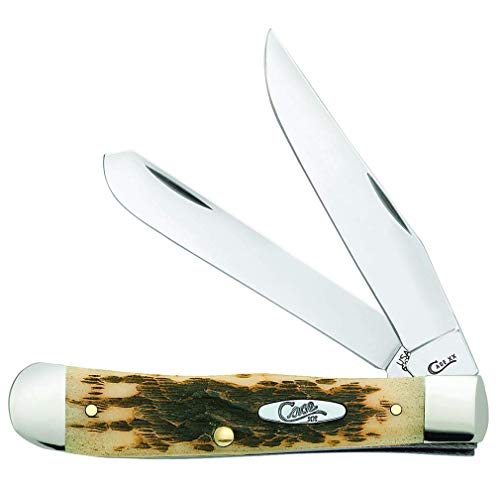
- ✓ Crisp blade action
- ✓ Classic amber bone feel
- ✓ Compact, practical size
- ✕ Requires light maintenance
- ✕ Not the lightest carry
| Blade Type | Carbon CS Clip Point and Spey blades |
| Closed Length | 4 1/8 inches (10.48 cm) |
| Handle Material | Amber Bone |
| Origin/Manufacture | Bradford, PA, USA |
| Warranty | Manufacturer’s Limited Lifetime Warranty |
| Brand/Model Line | Case XX WR Pocket Knife Trapper |
The amber bone on this Case XX WR Pocket Knife catches the light the moment you pull it from your pocket, like a warm ember waiting to be used. You’ll notice the smooth texture in your palm, and the knife’s solid little heft, not bulky, but confident.
Opening the blade tang feels deliberate, a tiny click that says this one is built to last.
The closed length of 4 1/8 inches fits just right for everyday carry, not poking you in the hip or bulging in your coat. When you flip out the Clip and Spey blades, the snap is crisp and reassuring, with a clean edge that suggests it’s ready for work right away.
The amber bone scales show a subtle marbling, giving the knife character beyond its practical purpose.
In hand, the knife feels balanced, with smooth liners and brass pins that catch a quick glance. It’s easy to use with one hand, thanks to the sturdy bolster and good thumb rise on the blade.
You’ll appreciate the way it sits in a pocket sheath or clipped on a belt, staying slim without fuss.
Around the house, it shines on small tasks—opening packages, trimming thread, or fashioning a quick splint for a camp project. It’s also comfortable enough for longer tasks, thanks to the rounded spine and the gentle, familiar grip.
You’ll notice Case’s Bradford, PA roots in the build—nothing flashy, just reliable, islanded in time-tested craftsmanship.
If you hunt or hike, the dependable carbon steel blades stay sharp with minimal maintenance, and the limited lifetime warranty adds peace of mind. For daily errands, the Trapper’s classic silhouette feels like a trusted companion rather than a novelty.
It’s a pragmatic, nostalgic tool you’ll reach for without overthinking it.
Case XX Pocket Knife TRAPPER – SMOOTH BLUE SYCAMORE WOOD

- ✓ Elegant blue sycamore
- ✓ Solid blade action
- ✓ Comfortable, non-slip grip
- ✕ Heirloom pricing
- ✕ Slightly niche style
| Blade(s) | Clip and Spey blades |
| Closed Length | 4 1/8 inches (approximately 10.48 cm) |
| Handle Material | Blue sycamore wood |
| Origin / Made In | Bradford, Pennsylvania, USA |
| Warranty | Manufacture’s Limited Lifetime Warranty |
| Brand | Case |
The moment I pulled the Case XX TRAPPER out of my pocket, the blue-sky sheen of the smooth blue sycamore wood caught the light just right, and I swear the blade glinted with a quiet confidence. You’ll notice how the closed length sits comfortably at just over 4 inches, easy to palm and flick open with a thumb on the nail nick.
It feels like it was made to slip into daily life without making a scene.
Opening the blade takes a satisfying, deliberate click. The CLIP and SPEY duo flow smoothly, each blade presenting with balanced weight and that classic Case snap.
The wood scales, slightly rounded at the edges, feel generous in the hand yet never bulky, which is perfect for quick tasks around the house or a camp kitchen.
In use, the grip isn’t slippery, even when you’ve been sweating or working with a bit of oil. I ran through package openings, a stubborn zip tie, and a small carving task, and the knife responded with clean cuts and controlled recovery.
The hardwood finish looks premium, and it hides light fingerprints, keeping that showpiece look without demanding hero care.
The build is solid, and the brass pins reinforce the feel of a true heirloom. It stays put in a pocket or clipped to a shirt, and the mild weight never becomes a burden on a long day outside.
If you appreciate the nostalgia of a Bradford-made Case with practical performance, this model scratches that itch without fuss.
All told, it’s a dependable everyday carry that blends Americana charm with real-world capability. You’ll reach for it when DIY, outdoor chores, or hunting prep pop up, and you’ll appreciate the steady, uncomplicated experience.
What Are the Key Characteristics of Case Knives?
The key characteristics of Case knives that make them popular among collectors and users alike include:
- Material Quality: Case knives are primarily made from high-quality stainless steel or carbon steel, which ensures durability and excellent edge retention. Stainless steel is resistant to rust and corrosion, while carbon steel is favored for its ability to take a sharp edge and ease of sharpening.
- Craftsmanship: Each Case knife is handcrafted, showcasing the brand’s attention to detail and commitment to quality. The manufacturing process includes meticulous assembly, hand finishing, and rigorous quality control to ensure that each knife meets high standards.
- Variety of Styles: Case offers a wide range of knife styles, including folding knives, fixed blades, and specialty knives. Popular styles include the Stockman, Trapper, and Peanut, each designed for specific tasks and preferences, catering to various users from outdoor enthusiasts to collectors.
- Handle Materials: The handles of Case knives are often made from a variety of materials, including bone, wood, and synthetic materials. Each material not only impacts the knife’s aesthetics but also its grip and overall feel, allowing users to choose based on personal preference.
- Customization Options: Case knives frequently provide options for customization, allowing users to select blade styles, handle materials, and even engravings. This personalization adds value and makes each knife unique to its owner, enhancing its appeal for collectors.
- Historical Significance: Case knives have a rich history dating back to the late 1800s, which adds to their desirability among collectors. Their long-standing reputation for reliability and performance has made them a staple in the knife community, often seen as a symbol of craftsmanship.
What Different Styles of Case Knives Exist?
The different styles of Case knives offer a variety of designs and functionalities suited for various tasks and preferences.
- Trapper: The Trapper is one of the most popular styles, featuring two blades; typically a clip point and a spey blade. This design is favored for its versatility, making it ideal for hunting and outdoor activities, as well as everyday use.
- Stockman: The Stockman knife usually comes with three blades: a clip, a sheepfoot, and a spey blade. This multi-blade configuration allows users to tackle a wide range of tasks, from cutting rope to skinning game, making it a practical choice for farmers and ranchers.
- Pocket Knife: Case’s pocket knives are compact and designed for easy carry, often featuring a single or multiple blades. These knives are perfect for everyday carry (EDC) and are typically used for light tasks like opening packages or cutting cords.
- Whittler: The Whittler style is characterized by three blades that are designed specifically for carving and whittling. The blades are usually slimmer and more precise, making them ideal for detailed woodwork and crafting projects.
- Congress: This unique style features a distinctive rounded shape and typically has four blades. The Congress knife is well-suited for those who appreciate a blend of aesthetics and functionality, as it provides multiple blade options in a compact format.
- Skinner: The Skinner knife is designed primarily for skinning game, featuring a curved blade that allows for easy maneuverability. This style is favored by hunters for its efficiency in field dressing animals.
- Folded Hunter: The Folded Hunter style is designed with a single, larger blade that is robust and often includes features like a gut hook. This knife is specifically tailored for hunting and outdoor adventures, making it a reliable tool for serious sportsmen.
How Do Folding Knives Differ from Fixed Blade Styles?
Folding knives and fixed blade knives are two primary styles, each with unique features and applications.
- Folding Knives: Folding knives are compact and portable, featuring a blade that folds into the handle for safety and convenience.
- Fixed Blade Knives: Fixed blade knives have a solid, non-retractable blade, providing strength and durability for heavy-duty tasks.
Folding knives are popular for everyday carry due to their lightweight design and ability to fit easily in pockets or bags. They often come with locking mechanisms that secure the blade when in use, enhancing safety. Their versatility makes them suitable for a variety of tasks, from simple cutting to outdoor activities.
Fixed blade knives are known for their robustness and reliability, often used in survival, hunting, and tactical situations. The lack of moving parts means they can handle more strenuous tasks without the risk of malfunction. They typically require a sheath for safe transport, making them bulkier but more suited for situations where durability is paramount.
What Are the Benefits of Each Case Knife Style?
The best Case knife styles offer various benefits tailored to different needs and preferences.
- Trapper: The Trapper is a versatile knife that features two blades, typically a clip point and a spey blade, making it ideal for hunting and outdoor activities. Its design allows for easy skinning and processing game, while the spey blade is perfect for delicate tasks.
- Stockman: The Stockman knife is characterized by its three blades: a clip point, a sheepfoot, and a spey blade, which provide a range of functionalities. This style is often favored by farmers and ranchers due to its utility in multiple tasks, from cutting rope to processing small game.
- Whittler: The Whittler features three blades and is designed specifically for fine carving and whittling work. Its slender profile and sharp blades make it a favorite among craftsmen and hobbyists who require precision for intricate projects.
- Congress: The Congress knife has four blades arranged in a unique way, providing a compact tool with diverse cutting options. This style is appreciated for its traditional aesthetic and is often chosen by collectors or those who value a classic design with practical applications.
- Pocket Knife: Generally smaller and more portable, the Pocket Knife can come in various blade configurations and is designed for everyday carry. Its versatility makes it suitable for a wide range of tasks, from opening packages to minor repairs around the home.
- Muskrat: The Muskrat knife is characterized by its two identical curved blades, which are ideal for skinning and processing fur-bearing animals. This style is particularly popular among trappers and hunters who appreciate its efficiency in handling game.
What Features Should Be Prioritized When Choosing a Case Knife?
When choosing a case knife, several features should be prioritized to ensure functionality and durability.
- Blade Material: The type of steel used for the blade is crucial as it affects sharpness, edge retention, and corrosion resistance. Stainless steel is popular for its durability and low maintenance, while high-carbon steel offers superior sharpness but requires more care to prevent rust.
- Blade Shape and Size: Different blade shapes serve various purposes, such as drop point for versatility or clip point for precision. Selecting the right size also matters; a larger blade may be more suitable for heavy-duty tasks, while a smaller one is ideal for delicate work.
- Handle Material: The handle material impacts grip, comfort, and aesthetics. Common materials include wood for a classic look and feel, synthetic composites for enhanced durability, and rubber for improved grip in wet conditions.
- Locking Mechanism: A reliable locking mechanism is essential for safety, preventing accidental closure during use. Options range from slip joints that allow for ease of opening and closing to more secure locks like liner locks or frame locks that keep the blade securely in place.
- Weight and Portability: The weight of the knife can influence its usability and comfort during extended use. A lighter knife is easier to carry and handle, making it a good choice for everyday carry, while a heavier knife may be preferred for rugged tasks.
- Brand Reputation: Opting for a knife from a reputable brand can offer assurance of quality and craftsmanship. Established brands often provide warranties and customer support, adding value to your purchase.
- Price Point: Consider your budget while evaluating the features offered. While high-end knives may provide exceptional quality and longevity, there are also many affordable options that deliver excellent performance for everyday use.
What Maintenance Practices Enhance the Longevity of Case Knives?
Several maintenance practices can significantly enhance the longevity of Case knives:
- Regular Cleaning: Keeping your knife clean is essential for preventing corrosion and maintaining its functionality.
- Proper Lubrication: Applying the right lubricant helps in protecting moving parts and ensures smooth operation.
- Sharpening Techniques: Regularly sharpening the blade not only keeps it effective but also prolongs its lifespan by preventing damage from dullness.
- Storage Conditions: Storing your knife in a dry, protective case or sheath prevents exposure to moisture and physical damage.
- Periodic Inspections: Regularly checking for signs of wear or damage helps address issues before they worsen.
Regular Cleaning: Keeping your knife clean is essential for preventing corrosion and maintaining its functionality. After each use, wipe the blade with a dry cloth and occasionally wash it with mild soap and water, ensuring it is dried thoroughly to avoid rust and other damage.
Proper Lubrication: Applying the right lubricant helps in protecting moving parts and ensures smooth operation. Use a food-safe lubricant on the pivot points and any other moving components to keep the knife functioning optimally and to prevent wear over time.
Sharpening Techniques: Regularly sharpening the blade not only keeps it effective but also prolongs its lifespan by preventing damage from dullness. Use a whetstone or other sharpening tools, and be sure to follow the manufacturer’s recommendations for the best results.
Storage Conditions: Storing your knife in a dry, protective case or sheath prevents exposure to moisture and physical damage. Avoid leaving it in damp places or in direct contact with other metal objects that could scratch or corrode the blade.
Periodic Inspections: Regularly checking for signs of wear or damage helps address issues before they worsen. Inspect the blade for chips or rust, and ensure all moving parts are functioning correctly, making necessary repairs or adjustments as needed.
What Are the Most Popular Uses for Different Styles of Case Knives?
The most popular uses for different styles of Case knives include:
- Trapper: The Trapper style is ideal for hunting and outdoor activities, as it features a clip point and a spey blade, which are perfect for skinning game and performing intricate tasks.
- Stockman: The Stockman knife is versatile with its three blades (a clip point, sheepfoot, and spey), making it suitable for a variety of everyday tasks, from farming to camping, allowing users to handle multiple jobs without needing several tools.
- Lockback: The Lockback style offers a reliable mechanism that locks the blade in place, making it a great choice for heavy-duty tasks where safety and stability are paramount, such as in woodworking or outdoor cooking.
- Peanut: The Peanut knife is compact with two blades, making it perfect for pocket carry and everyday carry tasks, such as opening packages or performing small repairs, appealing to those who prefer a lightweight option.
- Whittler: The Whittler knife is favored by craftsmen and hobbyists for its three blades, which are designed for whittling and carving, providing precision and versatility for artistic projects and woodworking.
- Congress: The Congress knife features a unique multi-blade design that includes several curved blades, making it ideal for collectors and those who appreciate traditional craftsmanship, as well as for various cutting tasks.