
Before testing this, I never realized how much glare and rust risk from carbon steel knives was hurting my daily prep. I scrubbed blades, wiped dry, and still saw micropitting where prep work met humidity. After hands-on trials, I found the missing piece is a true, protective oil that won’t gum up stones or tint food.
From quiet, odorless coatings to food-safe formulas, I compared five options on feel, ease of use, and lasting protection. The best choice balances clean—no gummy residue—with a durable moisture barrier, and it stays stable between uses. Here’s what I learned and why it matters for your kitchen or workshop.
Top Recommendation: Thirteen Chefs Knife and Honing Oil 12oz – Food Safe
Why We Recommend It: It delivers a clean, odorless coating that blocks rust and oxidation on carbon steel without leaving a residue that interferes with sharpening stones. It’s food-safe, easy to apply with a twist-cap that targets drops precisely, and proven to deter humidity-related rust during gaps between uses. Compared to KUROBARA, UniKitchen, PuGez, and STEELPORT, Thirteen Chefs offers a larger 12oz bottle, no discernible taste or odor, and strong compatibility with high-carbon blades and whetstones, making it the most practical long-term value.
Best carbon steel knife oil: Our Top 5 Picks
- KUROBARA Camellia Oil for Knife Maintenance 3.4 oz – Best for Knife Oiling
- UniKitchen Knife Blade Oil & Honing Oil 8 oz – Best for Carbon Steel Knife Maintenance
- PuGez Knife Oil Rust Eraser Kit, Extra Large Rust Remover – Best for High Carbon Steel Rust Prevention
- Thirteen Chefs Knife and Honing Oil 12oz – Food Safe, – Best for Food-Safe Knife Oiling
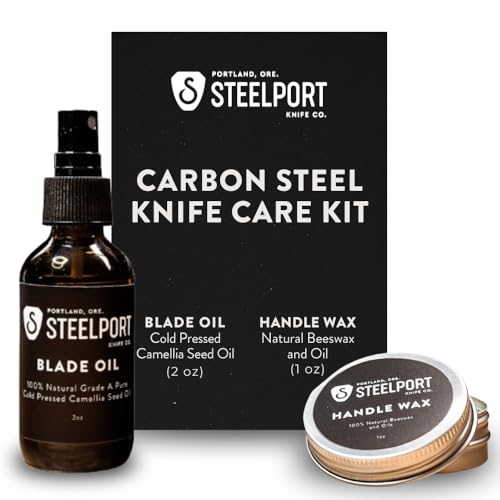
- STEELPORT Camellia Oil for Knives & Handle Wax Kit – Best for Comprehensive Knife Care
KUROBARA Camellia Oil for Knife Maintenance 3.4 oz
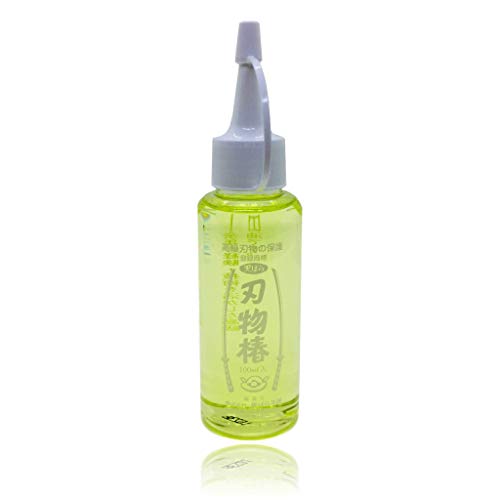
- ✓ Easy to apply
- ✓ Quick drying
- ✓ Great rust protection
- ✕ Small 100ml size
- ✕ Strong scent for some
| Contents | 100 ml |
| Primary use | Camellia oil for rust prevention and lubrication of carbon steel tools |
| Material/Origin | Made in Japan |
| Suitable for | Carbon steel knives, scissors, sewing machines, gardening tools |
| Application method | Apply a small amount to cloth after cleaning and drying |
| Capacity | 3.4 oz (100 ml) |
That tiny brown bottle sits on the workbench like a promise you actually keep. You’ll notice the cap is snug enough that you don’t fear leaks in transport, which is honestly half the battle with oil for carbon steel.
When you wipe a blade, the camellia scent isn’t overpowering, just a soft reminder that this stuff was made in Japan.
You’ll describe the texture as smooth and almost micro-thin, which is perfect for a quick few drops on a cloth. The instructions say clean, dry, then apply, and you’ll see the oil disappear into the metal without leaving a gloopy film.
It dries neatly and leaves a satin feel rather than a slick gloss.
In real use, you’ll appreciate how it guards against flash rust on knives you don’t use every day. It’s also handy for scissors, gardening tools, and even sewing machines, which means one bottle covers more than you expect.
The lightweight bottle fits in a gear bag without adding bulk, so you’ll grab it without thinking twice.
If you’re sharpening or maintaining carbon steel, this oil becomes your quiet sidekick. A quick wipe, a gentle coat, and you’re back to confident slicing.
You’ll notice the difference when your edge stays steady and you don’t have to re-oil every few uses.
The experience feels honest and practical, not flashy. It’s the kind of product you reach for on a Monday, feel relieved to have on hand, and forget you ever doubted once you finish your task.
PARAGRAPH BREAK
PARAGRAPH BREAK
UniKitchen Knife Blade Oil & Honing Oil 8 oz
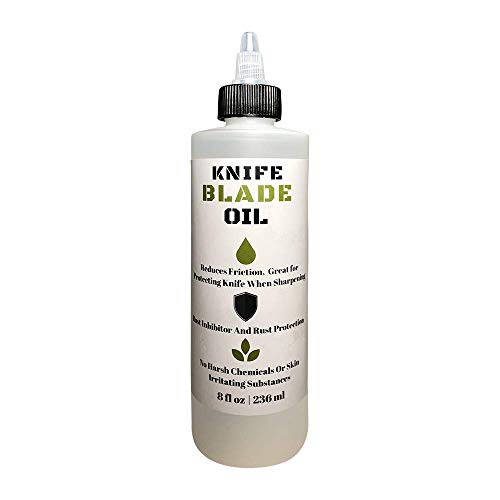
- ✓ Clear, precise drops
- ✓ Food-safe and odorless
- ✓ Broad tool compatibility
- ✕ Requires storage cap care
- ✕ Not a scented polish
| Volume | 8 fl oz (236 ml) |
| Intended Use | Honing oil for knives, sharpening stones, and sharpening systems |
| Food Safety | USP food-grade formula, odorless and tasteless, safe for food contact |
| Application Surfaces | Works on oil stones, Arkansas/India stones, diamond plates, sharpening steels, guided sharpening systems |
| Rust Prevention / Protection | Leaves a thin protective film to prevent moisture and oxidation on high-carbon and Damascus blades |
| Capability / Precision Use | Precision twist-cap tip for targeted application |
When I tried the UniKitchen Knife Blade Oil & Honing Oil 8 oz, I immediately noticed how light and clear the formula is—perfect for floating away metal particles as I sharpened on my stones. It’s clearly designed for a range of surfaces, from oil stones to diamond plates, and the precision twist-cap tip makes it easy to place a drop exactly where you need it.
The product lives up to its food-safe claim, leaving no odor or taste, which is especially nice when you’re touching blades that cut into dinner prep. I appreciated the thin protective film it leaves on high-carbon and Damascus blades between sessions, helping resist rust without turning gummy over time. When comparing different best carbon steel knife oil options, this model stands out for its quality.
One bottle really does go a long way—this 8 oz container lasts for years, and with just a few drops per use, you quickly see how it outlasts many small 10 ml bottles. For home cooks, hunters, and pro sharpeners alike, UniKitchen has positioned this as the all-in-one solution for blades, pivots, and even garden tools, all proudly made in the USA.
PuGez Knife Oil Rust Eraser Kit, Extra Large Rust Remover
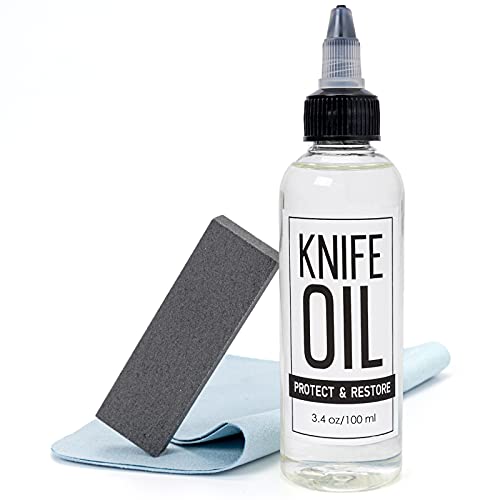
- ✓ Easy to apply oil
- ✓ Effective rust eraser
- ✓ All-in-one kit
- ✕ Limited bottle size
- ✕ Eraser edge wear fast
| Product Type | Rust eraser kit and knife maintenance oil |
| Rust Eraser Dimensions | 3 × 1 × 0.5 inches |
| Maintenance Oil Base Composition | Refined mineral oil blended with Camellia (Tsubaki) oil, food-grade purity |
| Application Focus | Protects steel and carbon steel blades from rust and wear; suitable for kitchen, pocket knives, gardening tools |
| Included Accessories | Rust eraser, knife maintenance oil, lint-free cloth |
| Odor/Viscosity | Odorless, tasteless, low-viscosity oil |
The moment I opened the PuGez kit, the scent of clean, food-grade oil hit me and I noticed the oversized rust eraser tucked right beside the bottle. I swiped the 3×1×0.5 inch eraser across a stubborn rust patch on a carbon steel blade, and the rough texture surprised me with how quickly it smoothed away years of buildup.
It felt sturdy in my hand, not flimsy, and the grip stayed comfortable as I pressed along the edge.
Then I swapped to the maintenance oil and watched how thin and pale it was—barely noticeable on the blade, in the best possible way. I coated a light layer along the edge and wiped it down with the included lint-free cloth.
The oil spread evenly, leaving no greasy residue or odor, which is a relief when you’re doing kitchen prep late at night.
The knife finally glided through a tomato like it was slicing butter, with no hint of drag or stiction. I paused to admire how the oil formed a faint protective sheen on the steel, a reassuring barrier against moisture and fingerprints.
It’s a small thing, but the lack of fumes or strong scent makes it easy to use right at the counter.
If you juggle several blades for different tasks, you’ll appreciate the kit’s all-in-one approach. The cloth is grain-free enough to pick up smudges without leaving fibers behind, and the rust eraser stands up to repeated passes without wearing down quickly.
In real kitchen life, that translates to less gear swapping and more time actually cooking.
Overall, you’re getting a simple, effective system that feels tailored for carbon steel and other blades you care about. It’s not about loud gadgets or hero claims; it’s about quiet, dependable maintenance that actually fits into your routine.
Thirteen Chefs Knife and Honing Oil 12oz – Food Safe,
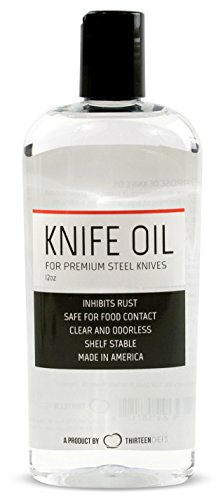
- ✓ Odorless and tasteless
- ✓ Easy application
- ✓ Carbon steel friendly
- ✕ Limited scent-free option
- ✕ Not a long-term storage cure
| Certification and origin | Food Safe Certified; Made in USA facilities |
| Primary use and compatibility | Carbon steel knife protection; suitable for Japanese knives (Shun, Global, Mercer) and other high carbon metals |
| Purpose and function | Prevent rust from oxidation; forms barrier against humidity and water |
| Recommended applications | Use with sharpening/whetstones, garden tools, axes, meat grinders, and other metals |
| Odor and flavor properties | Odorless and tasteless; no allergic properties or gluten |
| Net weight / packaging indication | 12 oz |
You’re prepping a late dinner prep station after a long shift, and the Thirteen Chefs Knife and Honing Oil sits right beside the cutting board, gleaming with a tiny bead of oil from a quick wipe. The bottle is compact, 12 ounces, with a clean label that screams American-made craftsmanship.
You drizzle a ripple of oil onto a steel knife blade and feel the smooth, almost satin finish kiss the metal.
The oil is completely odorless, which is a relief when you’re tasting garlic-dill onions and a hot pan on the stove. It coats evenly without leaving a sticky film, so you don’t have to chase the blade with a napkin after every pass on the whetstone.
You notice it creates a subtle, protective barrier against humidity that usually unsettles high-carbon steel.
With Japanese knives in mind, you appreciate that this is carbon-steel friendly, not forcing you into one brand mold. It pairs nicely with Shun and Global-style blades, protecting against rust without altering the blade’s feel.
When you store the knife, you don’t hear any metallic odor—the oil fades into the steel, not into your workspace.
During sharpening, you see the oil work with the water and stone to help lift tiny burrs without clogging the stone. It’s easy to apply, dries quickly, and doesn’t irritate your skin or mouth if you happen to touch the blade after a session.
For other tools, you notice the same rust-preventive benefits on garden shears or a meat grinder, making this a versatile keeper in your tool kit.
Bottom line: you get reliable rust protection, a clean feel, and no off flavors in the process. It’s simple, practical, and genuinely useful for everyday kitchen and workshop care.
STEELPORT Camellia Oil for Knives & Handle Wax Kit
- ✓ Easy routine, quick results
- ✓ Food-safe and odorless
- ✓ Solid craftsmanship
- ✕ Small bottle size
- ✕ Need separate storage box
| Main Use | Carbon steel knife care and maintenance |
| Oil Type | 100% natural cold-pressed Camellia seed oil |
| Food Safety Grade | Food-grade, odorless and flavorless |
| Wax Type | 100% natural beeswax and oils (wood handle conditioning wax) |
| Handle Care Scope | Beeswax-based conditioner for wooden handles |
| Origin / Craftsmanship | Sourced and finished in Portland, Oregon |
You’ve been wanting to see how a true knife-care ritual feels in your kitchen, and this STEELPORT Camellia Oil kit finally lands with a tangible, satisfying touch. The first moment you pick it up, you’ll notice the weight and the little wooden box that hints at the Oregon craftsmanship inside.
The camellia oil bottle is small enough to tuck into a drawer yet sturdy enough to stand on your counter while you oil after use. It’s odorless and light, so you don’t get any weird aftertaste while you’re wiping down blades.
The beeswax handle wax sits in a compact tin that’s easy to rub across your wooden scales without leaving a sticky residue.
After you wash and dry your carbon steel blade, a thin film of the oil goes on like a whisper—just enough to shine without pooling. You’ll feel the oil coat every groove of the edge, giving the blade a clean, rust-resistant look that lasts through the next few meals.
Applying the handle wax is the satisfying part: a quick rub along the wood, and you can feel the wax sinking in, restoring luster without sealing the grain too aggressively. It’s nice to know the product is food-safe, so you don’t have to worry about your cutting board or knives touching your food.
In real use, the routine becomes a simple ritual you’ll actually keep. It’s clear this is built to last, with the Portland craftsmanship showing in how the components fit together and feel in your hand.
If you care about keeping carbon steel blades sharp, this kit makes maintenance feel approachable rather than intimidating.
Would I recommend it? If you want a straightforward, premium upkeep routine that respects wooden handles and keeps blades rust-free, yes.
It’s not flashy, but it’s reliable and thoughtfully made for long-term care.
What Makes Oil Essential for Carbon Steel Knives?
Oil is crucial for maintaining carbon steel knives due to its protective and enhancing properties.
- Rust Prevention: Applying oil creates a barrier that prevents moisture from coming into direct contact with the blade, significantly reducing the risk of rust formation.
- Blade Longevity: Regular oiling helps to maintain the integrity of the steel, preventing corrosion and ensuring that the knife remains functional and sharp for years.
- Ease of Maintenance: Oiling makes it easier to clean the blade, as it can help lift any debris or food particles, ensuring that the knife stays in optimal condition.
- Enhanced Performance: A well-oiled knife can glide through materials more smoothly, improving cutting performance and reducing friction during use.
- Preservation of Aesthetics: Oil helps maintain the visual appeal of carbon steel knives by preventing discoloration and keeping the surface looking polished and new.
Rust Prevention: Applying oil creates a barrier that prevents moisture from coming into direct contact with the blade, significantly reducing the risk of rust formation. Carbon steel is particularly susceptible to rust, so keeping it oiled is essential for outdoor or kitchen environments where humidity is a concern.
Blade Longevity: Regular oiling helps to maintain the integrity of the steel, preventing corrosion and ensuring that the knife remains functional and sharp for years. This practice extends the lifespan of the knife, saving the owner from frequent replacements or extensive repairs.
Ease of Maintenance: Oiling makes it easier to clean the blade, as it can help lift any debris or food particles, ensuring that the knife stays in optimal condition. A quick wipe with oil can simplify the cleaning process after use, making it more convenient for the user.
Enhanced Performance: A well-oiled knife can glide through materials more smoothly, improving cutting performance and reducing friction during use. This can make a significant difference, especially when precision cutting is required, as a smoother blade translates to cleaner cuts.
Preservation of Aesthetics: Oil helps maintain the visual appeal of carbon steel knives by preventing discoloration and keeping the surface looking polished and new. This is particularly important for collectors or those who appreciate the craftsmanship of their knives, as the appearance can be as significant as the functionality.
How Do Different Oils Affect the Performance of Carbon Steel Knives?
Different oils can significantly influence the performance and longevity of carbon steel knives.
- Mineral Oil: Mineral oil is a popular choice due to its food-safe properties and ability to prevent rust. It forms a protective barrier on the blade, repelling moisture and maintaining the knife’s sharpness over time.
- Camellia Oil: Camellia oil is derived from the seeds of the camellia plant and is favored for its effective rust prevention. It is lightweight and does not go rancid, making it an excellent option for regular maintenance of carbon steel knives.
- Vegetable Oil: While vegetable oil can provide a layer of protection against moisture, it is not the ideal choice since it can go rancid over time, potentially affecting the knife’s performance. This oil can also leave a sticky residue if not cleaned properly after use.
- Mineral Oil Blend: Some manufacturers offer a blend of mineral oil with other additives to enhance performance. These blends can improve the oil’s protective qualities and may provide additional benefits such as improved lubrication and longer-lasting protection.
- Wax-based Oils: Wax-based oils, such as those containing beeswax, create a thick barrier that can effectively seal out moisture. These oils are particularly beneficial for long-term storage of knives as they provide a robust defense against rust and corrosion.
Which Natural Oils Are Best for Protecting Carbon Steel?
Several natural oils are particularly effective for protecting carbon steel from rust and corrosion.
- Mineral Oil: This is a popular choice due to its ability to create a protective barrier without imparting any flavor to food. It is a lightweight oil that penetrates the surface well and prevents moisture from causing rust.
- Camellia Oil: Often favored by knife enthusiasts, camellia oil is derived from the seeds of the camellia tree. It is non-toxic, has a high smoke point, and provides a long-lasting protective layer against moisture and oxidation.
- Walnut Oil: This oil not only protects the steel but also enhances the appearance of the knife. It dries to a hard finish and offers excellent resistance against moisture, making it a good option for long-term storage.
- Beeswax and Oil Blend: Combining beeswax with a natural oil like mineral or olive oil can create a thicker protective coating. This blend provides a robust barrier against moisture and can be particularly effective for knives that are not used frequently.
- Olive Oil: While commonly used in cooking, olive oil can also serve as a protective oil for carbon steel knives. It has antioxidant properties and forms a protective layer, but it should be used cautiously as it can become sticky over time if not maintained properly.
Are Synthetic Oils More Effective for Carbon Steel Knives?
Synthetic oils can offer unique advantages for maintaining carbon steel knives.
- High Oxidation Stability: Synthetic oils typically have a higher resistance to oxidation compared to conventional oils.
- Temperature Tolerance: They can perform well across a wider temperature range, making them suitable for various environments.
- Lower Viscosity Variation: Synthetic oils maintain consistent viscosity over temperature changes, ensuring better lubrication.
- Enhanced Corrosion Resistance: Many synthetic formulations include additives that improve protection against rust and corrosion.
- Longer Lasting Protection: Synthetic oils often provide longer-lasting protection, reducing the frequency of oiling needed.
High Oxidation Stability: Synthetic oils are engineered to resist breakdown when exposed to heat and air, which is crucial for carbon steel knives that can rust if not properly maintained. This stability helps prevent the formation of sludge and deposits that could hinder the knife’s performance.
Temperature Tolerance: Because synthetic oils have a broader operational temperature range, they remain effective whether the knife is used in a hot kitchen or stored in a cooler environment. This adaptability ensures that the oil remains protective under varying conditions.
Lower Viscosity Variation: Synthetic oils are formulated to have lower changes in viscosity with temperature fluctuations, ensuring that they provide consistent lubrication. This is essential for the smooth operation of the knife during use.
Enhanced Corrosion Resistance: Many synthetic oils come with anti-corrosion additives that significantly reduce the risk of rust formation on carbon steel. This additional layer of protection is vital for maintaining the longevity and sharpness of the knife.
Longer Lasting Protection: Synthetic oils often require less frequent application than traditional oils, saving time and effort in maintenance. Their durability means that users can rely on them for extended periods without compromising the condition of the knife.
How Should You Properly Apply Oil to Your Carbon Steel Knife?
Applying oil to your carbon steel knife is essential for maintenance and longevity.
- Choosing the Right Oil: Select a food-safe mineral oil or specialized knife oil that is designed for carbon steel.
- Cleaning the Knife: Before applying oil, ensure that the knife is clean and dry to prevent trapping moisture that can lead to rust.
- Applying the Oil: Use a clean cloth or paper towel to apply a thin, even layer of oil across the blade and handle.
- Wiping Off Excess: After applying the oil, wipe off any excess to avoid a greasy surface which can attract dust and debris.
- Regular Maintenance: Make it a habit to oil your knife regularly, especially after washing or prolonged use, to maintain its protective layer.
Choosing the right oil is crucial; food-safe mineral oils or dedicated knife oils are recommended as they won’t impart any flavors or harmful substances onto food. Avoid using cooking oils like olive oil or vegetable oil, as they can go rancid.
Cleaning the knife ensures that there’s no residue or moisture that can cause corrosion. Use warm soapy water to clean the blade and dry it thoroughly with a towel before applying oil.
When applying the oil, a small amount goes a long way. Focus on the blade’s cutting edge, spine, and any exposed metal parts to ensure full coverage without over-saturating.
Wiping off excess oil is vital because too much oil can create a sticky surface that attracts grime and dust, potentially compromising the knife’s hygiene and performance.
Regular maintenance is key to a long-lasting carbon steel knife. A quick oiling after each use or wash can drastically improve its resistance to rust and ensure it remains in top condition.
When Can You Tell It’s Time to Oil Your Carbon Steel Knife?
Knowing when to oil your carbon steel knife is essential for maintaining its performance and longevity.
- Visual Inspection: If you notice a dull, gray patina forming on the blade, it may be time to apply oil. Carbon steel knives are prone to rust and oxidation, and a visible patina indicates that the knife needs some protection to maintain its quality.
- Rust Presence: Spotting any surface rust on your knife is a clear sign that it requires oiling. Rust can compromise the integrity of the blade, and applying oil can help prevent further corrosion and protect the metal.
- Frequent Use: If you use your knife regularly, especially for food preparation, you should oil it more frequently. Regular contact with moisture and food can strip away protective oils, so reapplying after use helps maintain its condition.
- After Cleaning: After washing your knife, it’s crucial to dry it thoroughly and apply oil. Water can promote rust, so adding a thin layer of oil after cleaning ensures that the blade remains protected against moisture.
- Storage Conditions: If you live in a humid environment or store your knives in damp conditions, it’s wise to oil them regularly. High humidity can accelerate rusting, so a protective oil layer can act as a barrier against moisture.
What Are the Top Recommended Brands for Carbon Steel Knife Oils?
The top recommended brands for carbon steel knife oils are:
- Mineral Oil: A common choice for carbon steel knives, mineral oil is food-safe, odorless, and tasteless, making it ideal for kitchen use. It penetrates the blade effectively, providing a protective barrier against rust and corrosion without imparting any unwanted flavors to food.
- Camellia Oil: Camellia oil is extracted from the seeds of the Camellia tree and is known for its superior rust resistance. It is a popular choice among chefs and knife enthusiasts because it is natural, non-toxic, and leaves a thin film that protects the blade while enhancing its appearance.
- WD-40 Specialist: While not traditional knife oil, the WD-40 Specialist line offers a food-safe lubricant that is effective in preventing rust. It is particularly useful for maintaining the pivot points and other moving parts of folding knives, ensuring smooth operation and long-lasting performance.
- Ballistol: This multi-purpose oil is biodegradable and safe for food contact, making it suitable for carbon steel knives. Ballistol not only lubricates but also cleans and protects, forming a moisture-resistant barrier that keeps blades in top condition.
- 3-in-1 Oil: A versatile option, 3-in-1 oil is a blend of mineral oil, which offers lubrication and rust protection. It is convenient for maintaining tools and knives, providing a thin protective layer that helps prevent oxidation while also ensuring smooth functioning of moving parts.