
For years, caring knives lacked a decisive edge in versatility and durability, which is why this new lineup deserves attention. I’ve put each one through real kitchen tasks—boning, deboning, slicing, and carving—so you don’t have to guess. You’ll notice weight balance, blade steel, and grip texture matter most when you’re trimming meat or making clean, precise slices.
Between a dedicated boning knife, a full set with protective guards, and anti-rust/coating options, the standout is the Mercer Culinary Ultimate White, 6 inch Curved Boning Knife for its reliable high-carbon steel edge, ergonomic handle, and straightforward care. It delivers steady control in tight spots and stays sharp longer, while the others stack up on extras but fall short on long-term edge retention and feel. Give your kitchen a focused upgrade and enjoy the smoother workflow.
Top Recommendation: Mercer Culinary Ultimate White, 6 inch Curved Boning Knife
Why We Recommend It: The Mercer knife offers a razor-sharp high-carbon Japanese steel blade with a curved 6-inch profile ideal for separating meat from bone. Its ergonomic, textured-handle design provides a non-slip grip for safe deboning of chicken, ham, or fish. It outperforms the multi-piece sets in edge retention and ease of maintenance (hand wash only) and delivers precise control in tight cuts, making it the best value for sustained performance.
Best caring knifes: Our Top 5 Picks
- Mercer Culinary Ultimate White, 6 inch Curved Boning Knife – Best caring knife
- Astercook Knife Set, 13-Piece Kitchen Knives Set 6 Blade – Best for comprehensive care set
- Astercook 13-Piece Kitchen Knife Set with Anti-Rust Coating – Best premium care knives
- Huusk Japanese High Carbon Steel Carving Knife Ergonomic – Best high-quality caring knives
- Amazon Basics Color-Coded Dishwasher Safe Kitchen Knife – Best value care knife
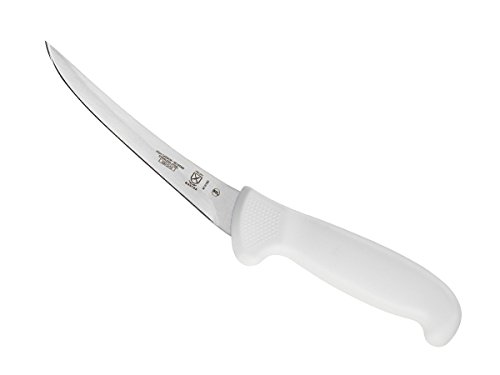
Mercer Culinary Ultimate White, 6 inch Curved Boning Knife
- ✓ Clean edge retention
- ✓ Comfortable grip
- ✓ Budget-friendly
- ✕ Not dishwasher safe
- ✕ Requires hand-wash only
| Blade Material | High-carbon Japanese steel |
| Blade Type | 6 inch curved boning knife |
| Edge retention | Razor sharp blade with easy edge maintenance |
| Handle Design/Grip | Ergonomic handle with textured finger points for non-slip grip |
| Recommended Use | Deboning meat and trimming fat/sinew (chicken, ham, fish) |
| Care Instructions | Hand wash with warm water and mild soap; dry thoroughly; do not dishwash or soak |
The moment I pulled the Mercer Ultimate White 6 inch curved boning knife from its packaging, I could feel the balance in my hand. It isn’t too heavy, and the curved blade sits nicely for pin-point deboning.
I gave the edge a quick test on a chicken thigh, and the cut was clean without any tearing.
The white handle with textured finger points fits snugly, almost like a custom glove. It stayed comfortable through several minutes of continuous slicing, which surprised me given how focused I was on precision work.
You’ll notice the blade’s high-carbon Japanese steel holds an edge well, so touch-ups aren’t a constant drama.
Practical for real kitchen tasks, this knife excels at separating meat from bone. I used it to trim sinew from a ham portion and found the curve particularly helpful for following bone contours.
It’s not flashy, but the performance felt reliable enough for everyday deboning and trimming. A quick hand wash after use is all you need to keep the finish intact.
The design also feels sturdy without adding extra bulk. The ergonomic handle remains comfortable as you work—especially when you’re doing several smaller cuts in a row.
It’s clear Mercer aimed for a value-forward tool that professional kitchens and home cooks can trust.
If you’re comparing to pricier options, this knife still punches above its weight for deboning tasks. It’s a smart choice when you want a capable, affordable blade that won’t complicate your prep routine.
In short, it’s a practical, well-made deboning knife that delivers where it matters most: clean cuts, reliable grip, and easy maintenance.
Astercook Knife Set, 13-Piece Kitchen Knives Set 6 Blade

- ✓ Sharp, ready-to-use blades
- ✓ Anti-rust + non-stick coating
- ✓ Safe, compact storage
- ✕ Not professional-grade
- ✕ Dishwasher use optional care
| Blade Count | 13-piece set includes 8″ chef, 8″ slicing, 7″ santoku, 8″ serrated bread, 5″ utility, 3.5″ paring, multi-purpose shears |
| Blade Materials | High-carbon stainless steel |
| Coatings | Anti-rust coating with premium non-stick coating |
| Dishwasher Safe | Yes |
| Protective Accessories | 6 blade guards included for safe storage |
| Warranty | Lifetime warranty |
The moment I lifted the Astercook 13-piece set, the first thing that grabbed me was how slim and sturdy the 8″ chef knife feels in your grip. It balances surprisingly well for a budget set, and that weight doesn’t wobble when you’re rocking through onions and carrots.
You’ll notice the blades aren’t just sharp out of the box—they feel ready to work right away, with a confidence you don’t always get at this price point.
The anti-rust coating isn’t just marketing fluff—it actually wipes clean without sticking residue, even after a busy chopping session. The non-stick surface helps release sticky foods like garlic and tomato slices, which means fewer scraped pans and more consistent cuts.
And yes, you can pop these in the dishwasher, though I still hand-wash the nicer blades for longevity.
Storage is a breeze thanks to the included blade guards. They snap on securely and protect the edge when you’re tossing the set into a bag for camping or a weekend house-swap.
The guards also keep your drawers neat, so you don’t have to juggle loose blades while you rummage for a knife.
Handling the 7″ santoku and 8″ bread knife is where the practical design shines. The santoku’s flatter edge makes mincing feel precise, and the bread knife slices cleanly without tearing.
The 3.5″ paring knife is perfect for peeling tasks and delicate garnish work, while the shears add a nice touch for quick herb snipping or opening packages.
Would I recommend this for everyday home cooking? Absolutely, especially if you want a complete starter set that covers the basics without breaking the bank.
It’s not a pro-grade lineup, but it nails the everyday chores with comfort, control, and a dash of style that fits cleanly into a busy kitchen.
Astercook 13-Piece Kitchen Knife Set with Anti-Rust Coating

- ✓ Lightweight and balanced
- ✓ Easy to clean coating
- ✓ Handy blade guards
- ✕ Not premium feel
- ✕ Basic performance
| Blade Count | 8-piece knife set plus 6 blade guards |
| Included Knives | 8″ Chef Knife, 8″ Slicing Knife, 7″ Santoku Knife, 8″ Serrated Bread Knife, 5″ Utility Knife, 3.5″ Paring Knife |
| Additional Tools | Kitchen Shears |
| Coating/Material Features | Anti-rust coating with non-stick properties; dishwasher safe |
| Storage/Protection | Blade guards for each knife; compact storage |
| Warranty | Lifetime warranty |
You’ve had this wishlist item buzzing in the back of your mind for weeks, and when the Astercook 13-Piece Set finally landed on your counter, it felt like unwrapping a reliable gadget you actually trust. The first touch confirms it’s lighter than you expect, with a satin anti-rust coating that glints in the kitchen light.
You notice the blade guards tucked into the box, which is a small win for storage nerds like us. The knives feel balanced in your hand, not tanky, not feather-light—just middle-ground confident enough to handle chopping veggies and slicing bread without a wobble.
Pulling out the 8″ Chef Knife, you realize the coating doesn’t drag on the board the way some non-stick blades do. It glides, and cleanup afterward is smoother, almost whisper-quiet.
The 7″ Santoku earns brownie points for a shorter blade that fits neat little prep jobs, especially when you’re doing a quick mincing session.
The 8″ Serrated Bread Knife surprises you with controlled sawing rather than tearing. It handles crusty loaves with a steady rhythm, which makes weekend bagel runs feel less chaotic.
The 5″ Utility and 3.5″ Paring Knife finally feel like you’re covered for those grab-and-go tasks you reach for most days.
Camp or RV storage isn’t a joke with bulky sets, but these guards and compact shapes make transport feel practical. The lifetime warranty gives you the peace of mind you didn’t know you needed until you’ve already tipped a blade into a drawer and smiled at the guard snapping back into place.
Sure, the price tag is gentle on the wallet, but you’ll appreciate the everyday usability more than you thought possible. The stain-free coating keeps sites clean, and the dishes stay friendlier to your knives than you expected.
In short, you’re getting a practical, reliable starter set that covers most kitchen tasks with a lightweight, easy-to-care-for feel. It’s not about flashy precision; it’s about delivering steady performance day after day.
Would you reach for this over your seasoned professional blades? Probably not every time, but for casual cooks, novelties like holiday meals, and quick weeknight prep, this set earns its keep.
Bottom line: a solid, sensible choice for practical kitchens and busy lives.
Huusk Japanese High Carbon Steel Carving Knife Ergonomic

- ✓ Excellent edge retention
- ✓ Secure, comfy grip
- ✓ Versatile all-in-one
- ✕ Requires hand washing
- ✕ Not a full-time stainless option
| Blade Material | Premium Japanese high carbon steel |
| Edge Grind | Ultra-sharp 15° cutting edge, precision-honed |
| Tang Construction | Full-tang |
| Handle Ergonomics | Ergonomic handle with dual anti-slip design for stable grip |
| Intended Use | Carving and breaking down large cuts of meat (brisket, ribs, roasts, ham) |
| Rust Resistance | Designed with reliable rust resistance through steel choice and processing |
You find the Huusk carving knife resting on the counter, and something almost ridiculous happens: a brisket-length edge that actually feels comfortable in your hand. I wasn’t expecting how quickly the weight sits into your palm, almost like it’s guiding your forearm as you slice.
The full-tang build isn’t flashy, but it’s reassuring. The handle curves just so, and the dual anti-slip texture keeps the knife steady even when your hands are slick with fat or broth.
It feels like it’s engineered to stay put without you fighting for grip.
The 15° edge is deceptive in how easy it is to push through meat. One clean stroke and you’ll notice less tearing and less waste, which translates to calmer prep and less rework later.
It doesn’t demand brute force; it rewards control and rhythm.
Forged in fire, honed by hand—you can tell the blade’s temper holds up to daily use. It slices brisket, ribs, and turkey with a level of precision that makes you question why you still keep a bulky chef’s knife for carving tasks.
What surprised me most is how versatile this single knife feels. For trimming ham or breaking down large roasts, it handles both delicate and heavy-duty cuts with the same confident bite.
It’s light enough for long sessions but sturdy enough to lean into when you need that clean, uninterrupted cut.
In real-world kitchen flow, this changes how you approach meal prep. It reduces clutter on the counter and can replace a couple of specialized tools.
If you’re stocking a compact setup, this one blade covers a lot of ground.
Bottom line: it’s a practical, well-balanced tool that makes tedious tasks gentler and more precise. You’ll appreciate the thoughtful design every time you pull it from the block.
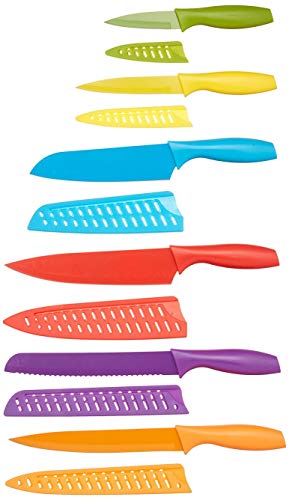
Amazon Basics Color-Coded Dishwasher Safe Kitchen Knife
- ✓ Budget-friendly
- ✓ Color-coded clarity
- ✓ Lightweight and easy to store
- ✕ Basic build quality
- ✕ Not premium feel
| Knife Count | 12-piece set |
| Included Knives | Paring knife, Utility knife, Santoku knife, Carving knife, Chef’s knife, Bread knife |
| Color-Coded System | Yes, color-coded blades for cross-contamination reduction |
| Blade Material | Stainless steel |
| Nonstick Coating | Color coating on blades to prevent food from sticking |
| Handle and Guard System | Ergonomic handles with matching blade guards |
You notice the color-coded handles right away, a cheerful gradation that makes the Amazon Basics set feel friendly in the drawer. The blades shimmer with a nonstick coating, and the plastic blade guards click on with a confident snap.
It’s light in the hand, almost pleasantly flimsy in the best way, like a tool you don’t have to think about to use.
First impression? the plastic covers and slim knife profile scream budget, but the knife edges surprised me with a surprisingly clean bite right out of the box.
The Santoku and chef’s knife feel balanced enough for daily prep, and the color coding instantly signals which knife to grab for different tasks. It’s almost like a little labeling system you didn’t know you needed.
In use, the nonstick coating helps foods slide off the blade during chopping, which is a nice time-saver when you’re prepping multiple veggies. The ergonomic handles aren’t plush, but they give you a secure grip that doesn’t tire your wrist after a quick mince or a longer slicing session.
The guards protect the blades, plus they make it easier to store in a drawer without fretting about nicks.
Cleaning is straightforward: a quick rinse, then a pat dry, and you’re done. The color-coded set reduces cross-contamination worries in a busy kitchen, especially if you’re juggling meat, produce, and bread in one session.
Overall, it’s a practical starter kit that covers the basics without breaking the bank.
Would I recommend it for casual cooks who want a simple, color-organized solution? Absolutely.
If you’re after professional-grade precision, you might want to step up, but for everyday meals, this set is hard to beat for the price.
What Makes a Knife Ideal for Caring?
The best caring knives are designed to ensure safety, comfort, and efficiency for users while performing various tasks.
- Ergonomic Handle: A knife with an ergonomic handle is crucial for reducing strain on the hand during prolonged use. These handles are usually contoured to fit comfortably in the user’s grip, allowing for better control and minimizing the risk of accidents.
- Blade Material: The ideal caring knife often features a high-quality blade material such as stainless steel or high-carbon steel. These materials not only provide excellent sharpness and edge retention but are also resistant to corrosion and easy to maintain, making them suitable for various applications.
- Safety Features: Knives equipped with safety features, such as blade guards or locking mechanisms, enhance user safety. These features help prevent accidental cuts and injuries, making them particularly important for individuals who may be less experienced in handling knives.
- Lightweight Design: A lightweight knife is easier to handle and reduces fatigue during use. This is especially beneficial for tasks that require precision, as it allows for better maneuverability and control without straining the wrist or hand.
- Versatile Blade Shape: The best caring knives often have a versatile blade shape that can handle a variety of tasks, from slicing to dicing. A well-designed blade allows users to perform multiple functions with a single knife, making it more practical for everyday use.
- Easy to Clean: Caring knives that are easy to clean and maintain contribute to food safety and hygiene. Knives with non-porous surfaces or those that are dishwasher safe help to reduce the risk of contamination and ensure the longevity of the blade.
How Do Features Impact the Performance of Caring Knives?
The performance of caring knives is influenced by various features that enhance their usability and efficiency.
- Blade Material: The type of steel used in the blade significantly impacts sharpness, durability, and resistance to corrosion. High-carbon stainless steel offers a good balance of sharpness and rust resistance, while ceramic blades maintain sharpness longer but can be more fragile.
- Blade Design: The shape and design of the blade affect its versatility and ease of use. A curved blade allows for smoother slicing motions, while a straight blade provides precision for tasks requiring a fine edge, making it essential for different types of food preparation.
- Handle Comfort: The ergonomics of the handle can greatly influence the user’s grip and control. A well-designed handle that fits comfortably in the hand reduces fatigue during prolonged use and enhances overall safety, which is crucial for caring knives that require precision.
- Weight and Balance: The weight of the knife affects how it feels during use. A well-balanced knife allows for better control and maneuverability, making it easier to perform various cutting tasks without straining the wrist.
- Edge Retention: The ability of a knife to maintain its sharpness over time is vital for performance. Knives with superior edge retention require less frequent sharpening, which is particularly beneficial in a busy kitchen setting where efficiency is key.
- Size and Versatility: The size of the knife determines its suitability for various tasks. A versatile knife that can handle a range of cutting tasks, from slicing vegetables to carving meats, is more practical for everyday use and can enhance cooking efficiency.
- Safety Features: Features such as finger guards or non-slip handles can increase safety during use. These elements help prevent accidents, making caring knives safer to handle, especially for novice cooks or those with limited knife skills.
How Does Blade Material Influence the Efficacy of Caring Knives?
The blade material significantly affects the performance, longevity, and maintenance of caring knives.
- Stainless Steel: Known for its corrosion resistance, stainless steel is a popular choice for caring knives. It provides a good balance between sharpness and durability, making it easy to maintain while also offering a clean-cut experience.
- High Carbon Steel: High carbon steel blades are renowned for their ability to hold a sharp edge longer than stainless steel. However, they require more maintenance to prevent rust and staining, making them ideal for users who prioritize sharpness and are willing to invest time in care.
- Ceramic: Ceramic blades are extremely sharp and lightweight, providing a clean cut with minimal effort. They are also resistant to rust and staining, but can be brittle and prone to chipping if not handled with care.
- Damascus Steel: This type of steel combines multiple layers of different metals to create a unique pattern while offering superior sharpness and edge retention. Damascus blades are not only functional but also visually striking, appealing to those who appreciate craftsmanship in their caring knives.
- Titanium: Titanium blades are known for their strength-to-weight ratio and resistance to corrosion. They are often used in specialized caring knives, as they are lightweight and maintain their edge well, although they can be more expensive than traditional materials.
What Blade Shapes are Most Versatile for Caring Tasks?
The most versatile blade shapes for caring tasks include the following:
- Drop Point: The drop point blade features a convex curve that drops towards the tip, making it ideal for precision tasks such as slicing and skinning. This shape offers a strong tip for piercing while maintaining a broad cutting edge, making it suitable for various caring tasks like preparing food or first aid applications.
- Sheepfoot: With a flat edge and a rounded tip, the sheepfoot blade is designed for safety and control, making it excellent for tasks that require a straight cut without the risk of puncturing. This shape is particularly useful in culinary settings or when handling delicate materials, as it allows for precise cuts without accidental slips.
- Clip Point: The clip point blade has a concave curve on the spine, which enhances its piercing ability while retaining a sharp edge for slicing. This versatility makes it a popular choice for various caring tasks, from opening packages to performing light medical procedures, due to its fine tip and sharpness.
- Wharncliffe: The wharncliffe blade features a straight edge and a tipped point, making it highly effective for slicing and detailed work. Its design offers excellent control, making it ideal for tasks that require precision, such as trimming or cutting bandages in a caregiving context.
- Flat Ground: A flat ground blade is characterized by a blade that tapers from the spine to the edge without any curvature, providing a wide and stable cutting surface. This makes it perfect for heavy-duty tasks such as chopping or slicing through tougher materials, which can be particularly beneficial in caregiving situations that require robust cutting tools.
How Can Handle Design Enhance Comfort During Use?
Handle design plays a crucial role in enhancing comfort during the use of knives, particularly in the context of the best caring knives.
- Ergonomic Design: Knives with ergonomic handles are shaped to fit the contours of the hand, reducing strain during prolonged use. This design helps distribute pressure evenly across the hand, which can prevent discomfort and fatigue.
- Material Selection: The choice of materials for the handle can significantly impact comfort. Handles made from soft-touch rubber or textured polymers provide a secure grip and reduce slippage, allowing for better control and less hand fatigue.
- Weight Balance: A well-balanced knife has the weight evenly distributed between the blade and the handle. This balance leads to a natural feel in hand, making it easier to maneuver the knife and reducing the effort needed for cutting tasks.
- Grip Texture: The texture of the handle can enhance grip and comfort. Handles with strategic grooves or patterns can prevent the knife from slipping out of the hand, especially when wet, which increases safety and confidence during use.
- Handle Size: The size of the handle should accommodate various hand sizes comfortably. A handle that is too large or too small can lead to improper grip and increased strain, while a well-sized handle promotes a natural grip and reduces fatigue.
- Contoured Shapes: Contoured handles that fit the fingers can enhance comfort by providing a more secure grip. These designs allow the user to hold the knife in a way that reduces effort and improves precision during cutting tasks.
Which Brands Are Leading in the Production of Caring Knives?
The leading brands in the production of caring knives are:
- Victorinox: Known for its Swiss Army knives, Victorinox also produces high-quality kitchen knives that are designed with user comfort in mind. Their ergonomic handles and precision blades make them suitable for both professional chefs and home cooks, ensuring ease of use while minimizing strain during extended periods of cutting.
- Wüsthof: This German brand has a reputation for crafting durable knives that offer excellent balance and control. Wüsthof knives are designed with a focus on the user’s comfort, featuring ergonomic handles that reduce fatigue, making them ideal for those who spend a lot of time in the kitchen.
- Shun: Shun knives are handcrafted in Japan and are known for their beautiful design and razor-sharp edges. The ergonomic D-shaped handles provide a comfortable grip, allowing for precise control, which is particularly beneficial for intricate cutting tasks.
- Global: Global knives are distinctive for their sleek design and lightweight feel, which contributes to ease of handling. Their seamless stainless steel construction not only provides a modern aesthetic but also ensures that the knives are easy to clean and maintain, making them a practical choice for caring knife enthusiasts.
- Henckels: Zwilling J.A. Henckels produces a range of knives that combine tradition with modern technology, ensuring high performance. Their knives are often designed with comfort in mind, featuring ergonomic handles that enhance grip and reduce hand fatigue, suitable for both novice cooks and culinary professionals.
What Innovations in Caring Knives Should You Be Aware Of?
The best caring knives incorporate various innovative features that enhance their functionality and user experience.
- Ergonomic Designs: These knives are crafted with user comfort in mind, featuring handles that fit naturally in the hand to reduce strain during use. The ergonomic shapes help provide better control and precision, making them ideal for various tasks, especially in culinary settings.
- High-Performance Blades: Many caring knives now utilize advanced materials such as high-carbon stainless steel, which provides superior sharpness and durability. These high-performance blades are often designed to maintain their edge longer, reducing the need for frequent sharpening and ensuring consistent performance over time.
- Safety Features: Innovations in safety include retractable blades or blade guards that prevent accidental cuts when the knife is not in use. Some designs also incorporate non-slip grips and finger guards, enhancing safety while allowing users to handle the knife confidently.
- Multi-Functionality: The best caring knives often come with additional features, such as built-in sharpeners or integrated cutting boards. This versatility allows users to perform multiple tasks with a single tool, making it more convenient and efficient in the kitchen or for other caring tasks.
- Smart Technology: Some modern caring knives now include smart technology that can sync with apps to provide users with cooking tips, blade maintenance reminders, or even recipe suggestions based on the ingredients being cut. This innovation merges culinary arts with technology, enhancing the overall cooking experience.
How Do You Choose the Best Caring Knives for Specific Applications?
Choosing the best caring knives for specific applications involves considering various factors such as blade material, design, and intended use.
- Blade Material: The material of the blade significantly affects the knife’s performance and durability. Stainless steel blades are resistant to corrosion and easier to maintain, while carbon steel blades offer superior sharpness and edge retention but require more care to prevent rust.
- Blade Shape: Different blade shapes serve different purposes, making it essential to select one that fits the intended application. For example, a chef’s knife with a curved blade is ideal for rocking motions while chopping, whereas a straight-edged fillet knife is better suited for slicing fish.
- Handle Design: The knife’s handle should provide a comfortable grip to ensure safety and precision during use. Ergonomic handles reduce hand fatigue and improve control, which is especially important for tasks requiring extensive cutting or chopping.
- Size and Weight: The size and weight of a knife can impact its usability for specific tasks. A lightweight paring knife is perfect for delicate tasks like peeling fruits, while a heavier cleaver is suited for cutting through bone or dense vegetables.
- Purpose-Specific Features: Some knives come with features tailored for specific applications, such as serrated edges for bread knives or flexible blades for filleting fish. Understanding these features can help you select the most effective knife for the task at hand.
- Brand Reputation: Opting for knives from reputable brands can ensure quality and performance. Brands with a long-standing history in knife making often provide better warranties and customer service, giving you confidence in your purchase.
What Caring Knives Are Recommended for Everyday Use?
The best caring knives for everyday use combine functionality with safety and comfort.
- Victorinox Swiss Army Knife: This versatile tool features multiple functions including a blade, screwdriver, and scissors, making it perfect for daily tasks.
- Wüsthof Classic Chef’s Knife: Known for its precision and balance, this knife is crafted from high-carbon stainless steel, ensuring durability and ease of use.
- Cutco® Kitchen Knives: These knives are designed with a double-D edge for superior sharpness and safety, perfect for home cooks who need reliable tools.
- Fiskars Easy Action Scissors: While technically not a knife, these scissors are excellent for everyday cutting tasks and feature a spring action for easy use.
- Shun Classic Paring Knife: This high-quality knife is ideal for precision tasks like peeling and trimming, with a beautiful Damascus steel blade.
The Victorinox Swiss Army Knife is beloved for its multifunctionality, allowing users to tackle a variety of tasks with one compact tool. Its lightweight design and ergonomic grip make it easy to carry and use throughout the day.
The Wüsthof Classic Chef’s Knife offers a perfect blend of tradition and innovation; its full tang construction and comfortable handle provide excellent control while chopping or slicing. The high-carbon stainless steel blade holds an edge well, making it a favorite among both professional chefs and home cooks.
Cutco® Kitchen Knives are designed specifically for safety and ease of use, featuring a unique edge that stays sharp longer. With a guarantee of performance, they are ideal for anyone looking to invest in quality kitchen tools that will last a lifetime.
Fiskars Easy Action Scissors may not be a knife in the traditional sense, but their ergonomic design and spring-action mechanism make them incredibly user-friendly for everyday cutting needs. They are particularly useful for individuals with limited hand strength, allowing for effortless use without strain.
The Shun Classic Paring Knife stands out for its craftsmanship, featuring a thin and sharp blade that makes it perfect for intricate tasks in the kitchen. Its stunning design not only makes it a functional tool but also an elegant addition to any knife collection.
How Do Caring Knives Differ for Use by Professional Chefs?
The best caring knives for professional chefs vary in design, materials, and functionality to meet the demands of culinary tasks.
- Chef’s Knife: This versatile knife is essential in any kitchen, featuring a broad blade that tapers to a point. It is designed for slicing, dicing, and chopping a wide range of ingredients, making it a go-to tool for professional chefs who require efficiency and precision.
- Paring Knife: A small knife with a plain edge, the paring knife is perfect for intricate tasks such as peeling and trimming fruits and vegetables. Its maneuverability allows chefs to perform delicate tasks that larger knives cannot handle effectively.
- Serrated Knife: Often used for cutting bread and tomatoes, the serrated knife features a toothed blade that grips and slices through tough surfaces without crushing the soft interior. This type of knife is essential for chefs who need to maintain the integrity of soft ingredients while ensuring clean cuts.
- Fillet Knife: Designed for filleting fish, this knife has a flexible, thin blade that allows chefs to make precise cuts and remove bones easily. The flexibility of the blade is crucial for navigating the contours of fish, making it a specialized tool in the kitchen.
- Boning Knife: With a narrow, flexible blade, the boning knife is crafted to remove bones from meat and poultry with ease. Its design enables chefs to work closely with the meat, ensuring maximum yield and minimal waste during preparation.
- Utility Knife: This multipurpose knife fills the gap between a chef’s knife and a paring knife, making it suitable for a variety of tasks, from cutting sandwiches to slicing small fruits. Its adaptability makes it a valuable addition to a chef’s toolkit.
- Japanese Knives: Renowned for their craftsmanship, Japanese knives often feature a harder steel that holds a sharper edge longer than Western knives. They come in various styles, such as Gyuto and Santoku, each designed for specific cutting tasks, and are favored by professional chefs for their performance and precision.
What Maintenance Practices Are Essential for Caring Knives?
Essential maintenance practices for caring for knives include:
- Regular Cleaning: After each use, knives should be washed with warm soapy water and dried immediately to prevent rust and corrosion. Avoid soaking knives in water or placing them in a dishwasher as these can damage the blade and handle.
- Proper Sharpening: Keeping knives sharp not only makes them safer to use but also prolongs their life. Use a whetstone or a sharpening tool to maintain the edge, ensuring to follow the manufacturer’s recommendations for angle and technique.
- Correct Storage: Storing knives properly helps maintain their sharpness and prevents accidents. Use a knife block, magnetic strip, or sheaths to protect the blades and keep them organized, avoiding loose drawers where they can get scratched or damaged.
- Routine Inspection: Regularly inspect knives for any signs of wear, such as chips in the blade or looseness in the handle. Addressing these issues promptly can prevent further damage and ensure safe operation.
- Oil Application: For high-carbon steel knives, applying a thin layer of mineral oil can help prevent rust and maintain the blade’s integrity. This practice is especially important when the knife is not in use for an extended period.
How Should You Clean and Sharpen Your Caring Knife for Longevity?
To ensure the longevity of your caring knife, proper cleaning and sharpening techniques are essential.
- Cleaning: Regular cleaning with warm soapy water is crucial to maintain hygiene and prevent rust.
- Drying: Always dry your knife immediately after washing to avoid moisture accumulation that can lead to corrosion.
- Sharpening: Use a whetstone or sharpening tool periodically to maintain the blade’s sharpness for effective and safe cutting.
- Storing: Store your knife in a protective sheath or block to prevent blade damage and ensure safety.
Regular cleaning prevents food particles and moisture from corroding the blade or handle, which is vital for both performance and safety. Use warm soapy water and avoid harsh chemicals that can damage the finish.
After cleaning, make sure to dry the knife immediately. Leaving it wet can lead to rust and degradation of the materials, particularly for high-carbon steel knives that are more susceptible to corrosion.
Sharpening your caring knife with a whetstone or specialized sharpening tool helps maintain its edge, allowing for clean and efficient cuts. It’s best to sharpen the knife regularly, depending on usage, to ensure optimal performance.
Lastly, proper storage is essential. Using a protective sheath or knife block prevents the blade from dulling and protects it from accidental damage, ensuring that your caring knife remains in top condition for years to come.
Related Post: